7 Signs Your Windows Need to Be Replaced

.jpg&w=3840&q=80)
KEY TAKEAWAYS
- Signs you need new windows include difficulty operating, drafts or poor energy efficiency, excessive outdoor noise, outdated style, and visible damage like fogging or broken glass.
- Replacing windows can improve ventilation, energy efficiency, noise reduction, curb appeal, and home security, while also preventing further damage from exposure to the elements.
- Consulting a professional can help determine if replacement is necessary and guide you in selecting long-lasting, high-quality windows that enhance both function and aesthetics.
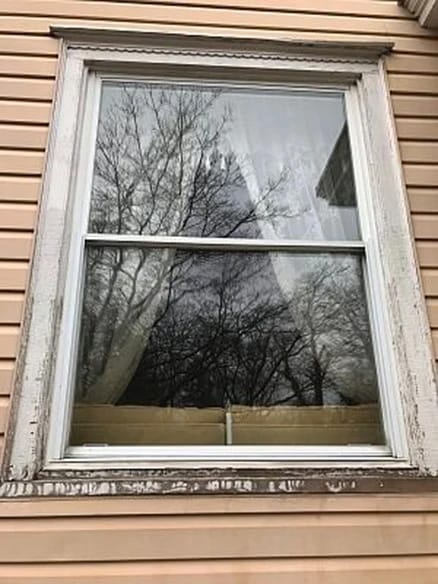
Do you ever find yourself asking, “do I need new windows?” Beginning the window replacement process is a big decision, so it’s important to know if you’re making the right choice before upgrading. Great windows offer ventilation, look beautiful, help save energy, reduce noise and keep your space safe. If your windows aren’t doing one or more of those things, it may be a sign your windows need to be replaced.
The most common signs you may need new windows include difficulty operating them, uncomfortable drafts, poor energy efficiency, outdoor noise, outdated style, visible damage, water infiltration and deteriorating frames. Most windows last 15–50 years depending on material, so if your windows are approaching that age range and showing these performance issues, it may be time to consider replacement.
Below are seven situations to help you decide if your windows could be doing more for you and your lifestyle.
1. Difficult to Operate
A window that doesn’t operate as intended is frustrating. If it’s getting difficult to open and close your window, consider replacing. Operating your window should be quick and easy. For instance, a well-functioning double-hung window features two sashes that slide for efficient ventilation and tilt in for easy cleaning. Just as convenient is the operation of our revolutionary Easy-Slide Operator, available on select casement and awning windows. It allows you to simply slide to open and close, without the effort of cranking. Simple operation with long-lasting durability is key to loving your windows. If your windows aren’t making the cut, it may be a sign to start shopping for replacement windows.
2. Uncomfortable Drafts or Poor Energy Efficiency
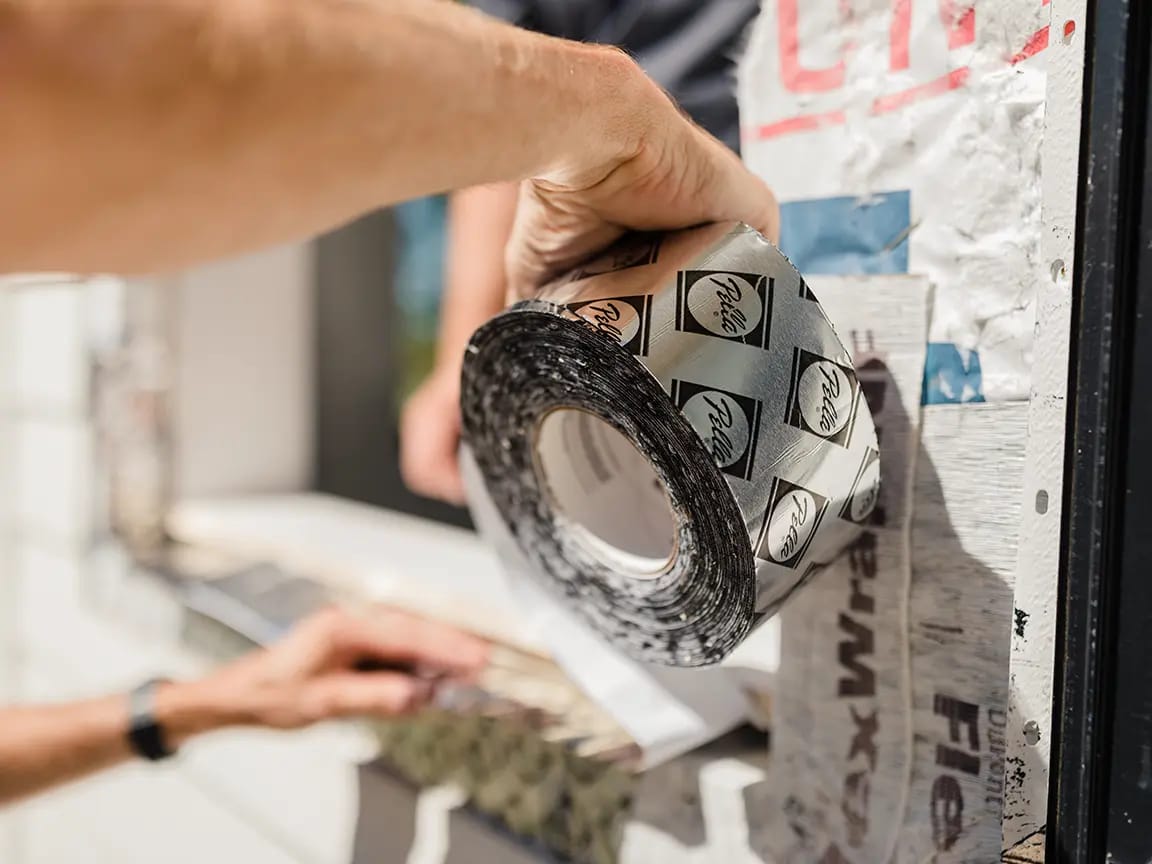
Improving energy efficiency is a common reason that homeowners choose to buy new windows. If you’re noticing drafty windows, especially in the winter, your existing windows are likely contributing to your energy bills. Other signs of poor energy efficiency include improper installation. Check the level, plumb, bowing, square and the reveal to tell whether your windows were installed properly. In addition to drafty windows, increased energy bills and poor installation, single-pane windows and fading interiors, described below, may also affect the energy efficiency of your windows.
A simple way to check how to know if your windows are drafty is to close and lock the window, then hold your hand near the frame edges and corners. If you feel moving air, the seal may be failing. Another easy test is to hold a lit candle or incense stick near the frame. If the flame flickers or smoke moves, air may be leaking through.
Single-Pane Windows
Single-pane glass is inefficient at reducing thermal transfer through your windows. Dual-pane glass insulates better than single-pane, while triple-pane maximizes energy efficiency. In new windows, you can add inert argon gas between panes of glass to improve insulation and reduce thermal transfer. Some products are even available with optional foam insulation in the frame to further improve energy performance. Consider upgrading from single-pane glass to help keep your home comfortable and lower your energy bills.
Fading Interiors
Another component to take into consideration regarding your window’s energy efficiency is fade damage. Maybe you’re starting to notice that your wood floors and furniture are fading in distinct areas around the home where the sun beats in. This is a tell-tale sign that your windows are not as energy efficient as they could be. In new windows, selecting low-emissivity or Low-E glass coatings will add layers of thermal protection inside insulating glass, blocking harmful UV rays to help prevent fade damage from occurring.
Read through these tips to choose energy-efficient windows and start seeing the benefits they provide.
3. Outdoor Noise
Are your windows letting in unwanted noises? Outside noise can keep you up at night and that is not worth compromising on. Whether it’s traffic, barking dogs, airplanes flying over your house or your neighbor mowing the lawn, replacing your windows can help reduce noise transmission and improve the sound performance. While completely soundproof windows don’t exist, there are several factors that help your windows reduce noise. More panes of varying glass thicknesses help dampen different sounds at different frequencies. Insulating window frames and proper airtight installation can improve sound resistance as well. If peace and quiet is what you need more of, consider replacing your existing windows with noise resistant windows.
4. Poor Curb Appeal or Outdated Style
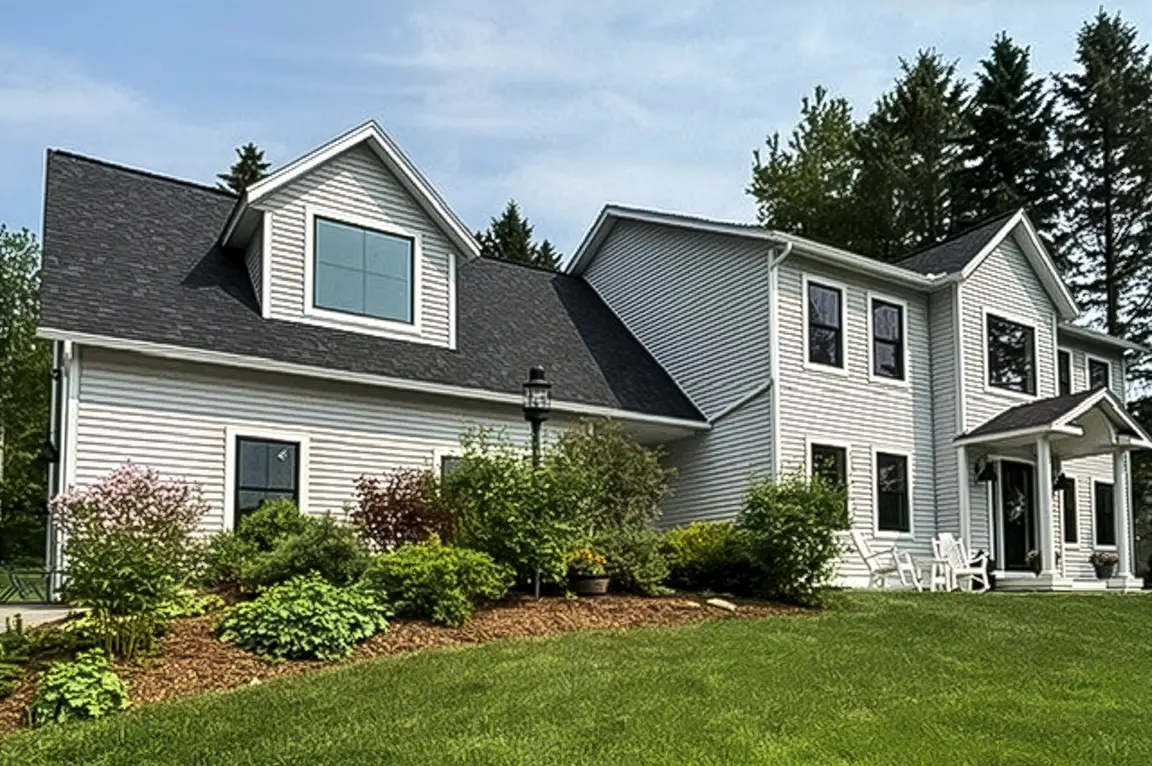
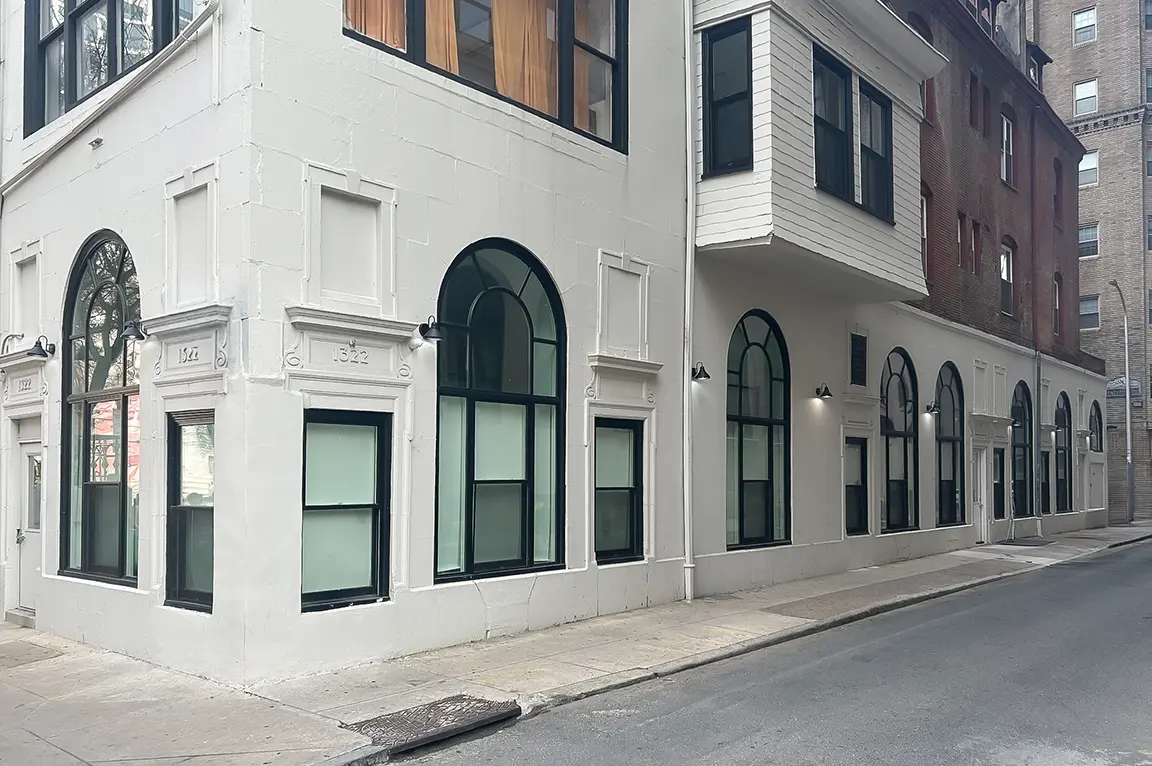
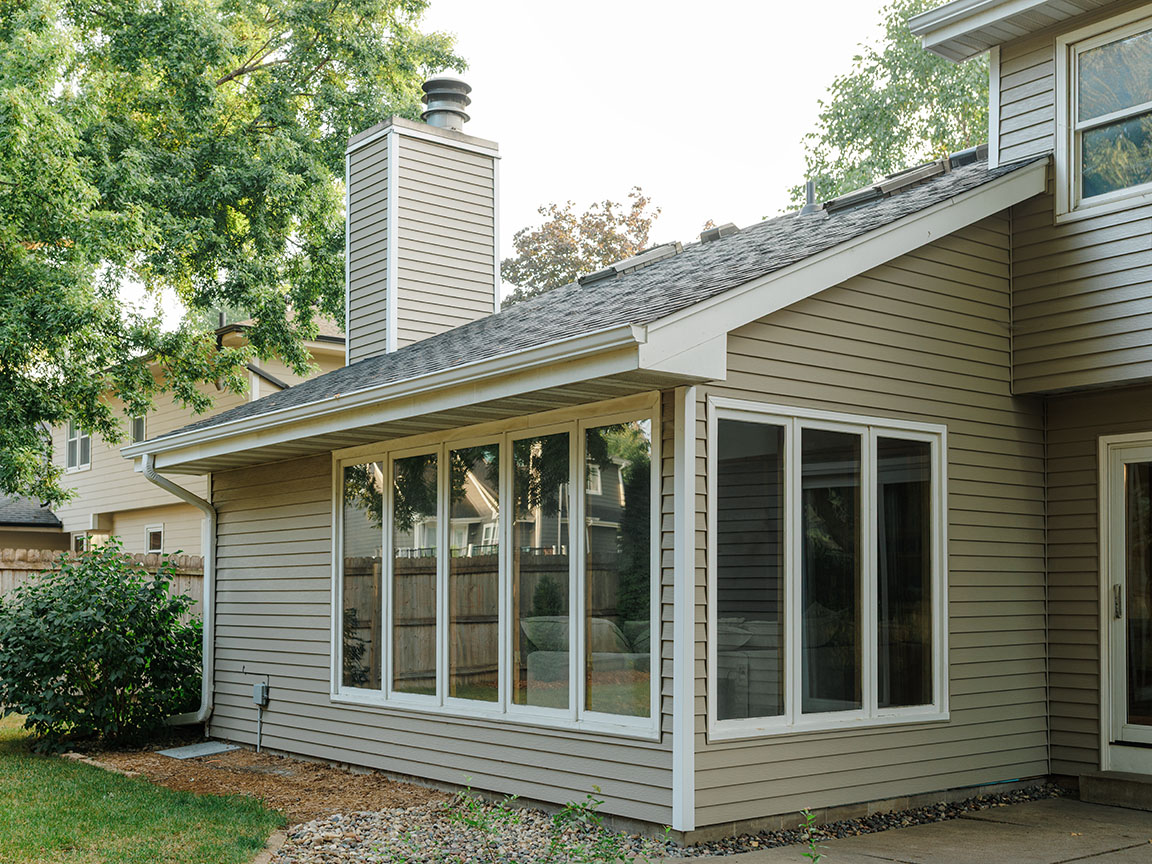
Windows are the eyes of a home and go a long way in selling the property down the road. From outdated grille patterns to out-of-style colors, a window that misses the mark when it comes to aesthetics is a common instance in which homeowners decide to upgrade. Think about whether your windows are making your house look more beautiful or distracting from the vision you have for your space. Windows are a powerful way to establish a design vision throughout a home. They add a consistent stylistic element from room to room, portraying any style from traditional and timeless to modern and trendy. Whether you’re restoring a home to its historic design or updating to a modern style that fits your taste, windows go a long way in achieving your renovation vision while also adding value to your home.
Thinking about next steps?
Whether you’re exploring ideas or ready to talk details, we’re here to help. Schedule a consultation—or sign up for inspiration and real-home insights from Pella.
5. Damaged Windows
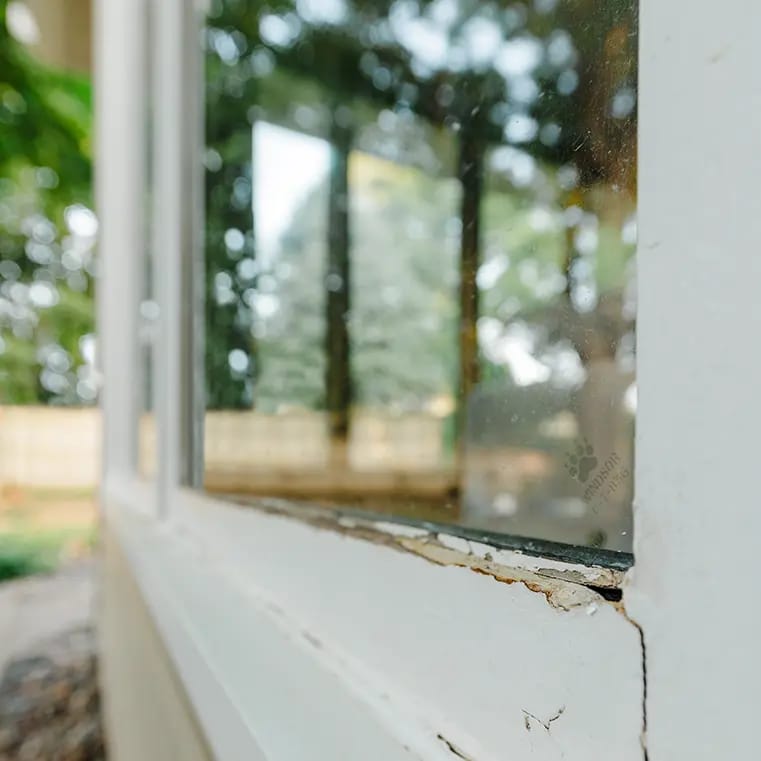
Damaged windows can present large challenges to homeowners. Whether the problems result from a baseball tearing through your glass or a frame that’s not airtight, windows sometimes experience water damage, mold, condensation, cracks or chips. Learning why windows sometimes fog or crack can help you identify when to fix or replace them before troubles progress. When a window is damaged, the frame or glass becomes exposed to the elements which may cause additional issues.
Foggy Windows
Sometimes, window fog and condensation can be a sign of a damaged window. Condensation on the interior or exterior often indicates high humidity levels and is nothing to worry about. If realized early on, there are ways to reduce condensation. In fact, exterior condensation is generally a good indicator of an efficient window. However, condensation between panes of insulating glass can develop when the seal between panes of glass fails and allows moisture to leak in. When old windows and doors have hazy windowpanes, replacement is usually the right call.
Broken Glass
Broken glass is a more apparent sign of window damage and commonly requires window replacement. Not only does broken glass have a poor appearance, cracks, chips or shattered glass pose a threat to home security and can compromise your energy efficiency. Broken window glass also opens an opportunity for insects and allergens to enter. Having broken windows causes negative effects and offers a sign it is time for replacement.
6. Water Infiltration or Leaks
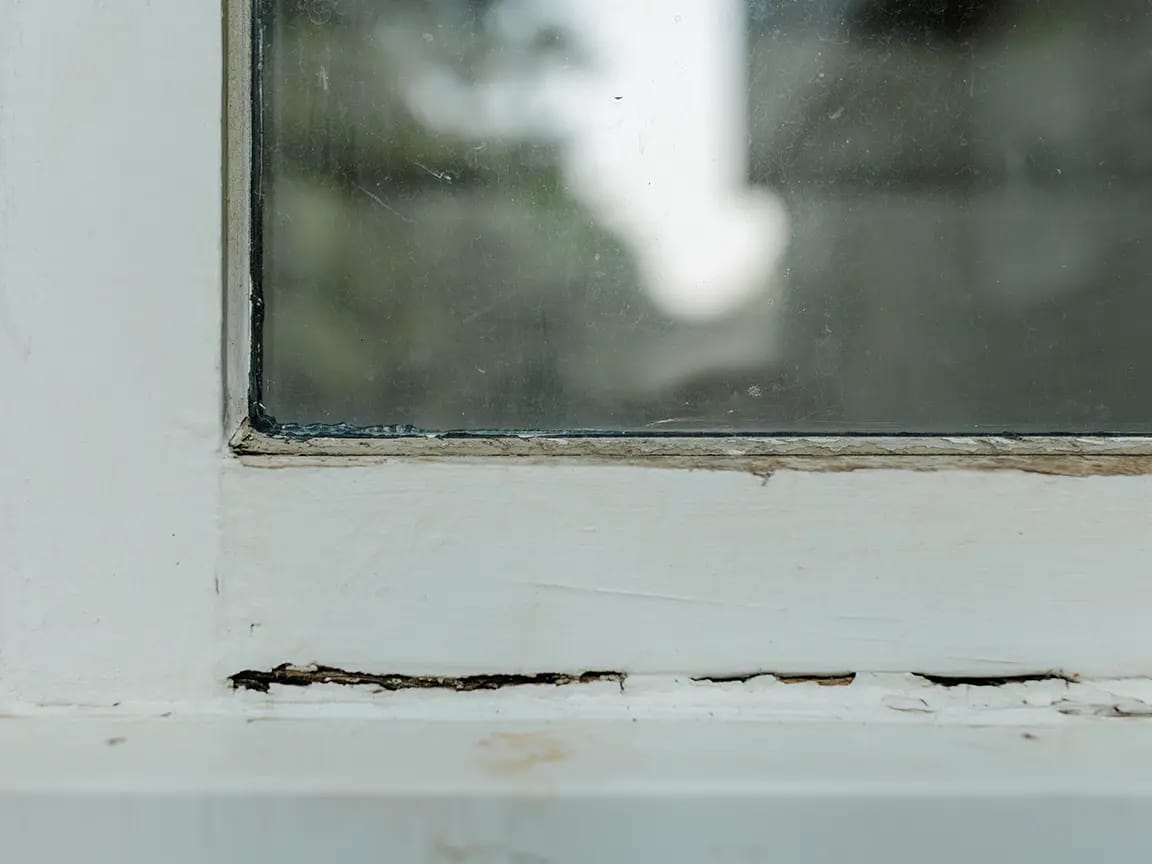
Water entering around your window frame is one of the clearest signs of window failure. Failed seals, deteriorating caulk lines aging frames can allow moisture to enter around the perimeter of the unit.
Look for:
- water stains on nearby trim or drywall
- bubbling paint around the frame
- warped flooring below the window
- elevated humidity near the opening
- mildew or mold smells
If left unresolved, water infiltration can lead to structural damage, mold growth and rising energy bills.
7. Soft, Rotting, or Deteriorating Frames
Another major answer to when to replace windowsis visible frame deterioration. This is especially common in older wood windows, but aging vinyl can also warp, crack or separate from surrounding walls.
If the frame feels soft,spongyor visibly shows rot, peeling, swelling or separation, replacement is often the best long-term solution. Frame deterioration affects:
- airtight performance
- security
- smooth operation
- moisture resistance
- overall curb appeal
How Long Do Windows Last?
Many homeowners ask how long windows last before needing replacement. Your windows’ lifespan depends on a number of factors and window material is one of them.
Typical lifespan by material:
- Vinyl windows: 20–40 years
- Fiberglass windows: up to 50 years
- Wood windows: 30+ years with proper maintenance
- Aluminum windows: 15–30 years
Age alone is not the deciding factor. The better indicator is whether your windows are showing multiple replacement signs such as drafts, damage, failed seals or deteriorating frames.
Should You Repair or Replace Your Windows?
Some window issues can be repaired, while others are clearer signs that replacement is the smarter long-term investment.
Minor repairs may make sense for isolated problems such as worn weatherstripping, small hardware issues, sticky locks, a single cracked pane or minor seal-related fogging. In many cases, these fixes are relatively straightforward and can restore short-term performance without the cost of a full replacement.
For example, homeowners may be able to repair:
- drafty windows with new weatherstripping or caulk
- latch or crank hardware issues
- minor cosmetic frame damage
- small glass cracks in a single pane
- torn or damaged window screens
Replacement is typically the better choice when the issue affects the frame, seal integrity, energy performance or multiple windows throughout the home. If the frame is rotting, water is leaking around the opening, condensation keeps returning between panes or the same window requires repeated service, replacement often helps avoid future repair costs and performance issues.
Cost can also help guide the decision. If repair quotes begin approaching the cost of a new replacement window, investing in replacement may provide better long-term value through improved energy efficiency, easier operation, reduced noise and stronger curb appeal. This is especially true for older windows that may soon need additional repairs.
If you’re unsure, reviewing the full replacement process can help clarify next steps before deciding.
Do I need new windows?
There are many different factors that contribute to the functionality, long-term performance and appearance of a window. The lifespan of a window varies from case to case depending on:
- The quality and type of material it is made of
- The local climate and weather events
- How well the window was installed
- How often the window is opened
- How often proper maintenance is performed and more
While estimating how long your windows will last is difficult, there are simple signs letting you know it may be time to start shopping for replacement windows: your existing windows are difficult to operate, inefficient, letting in too much noise, outdated, damaged, leaking or showing frame deterioration.
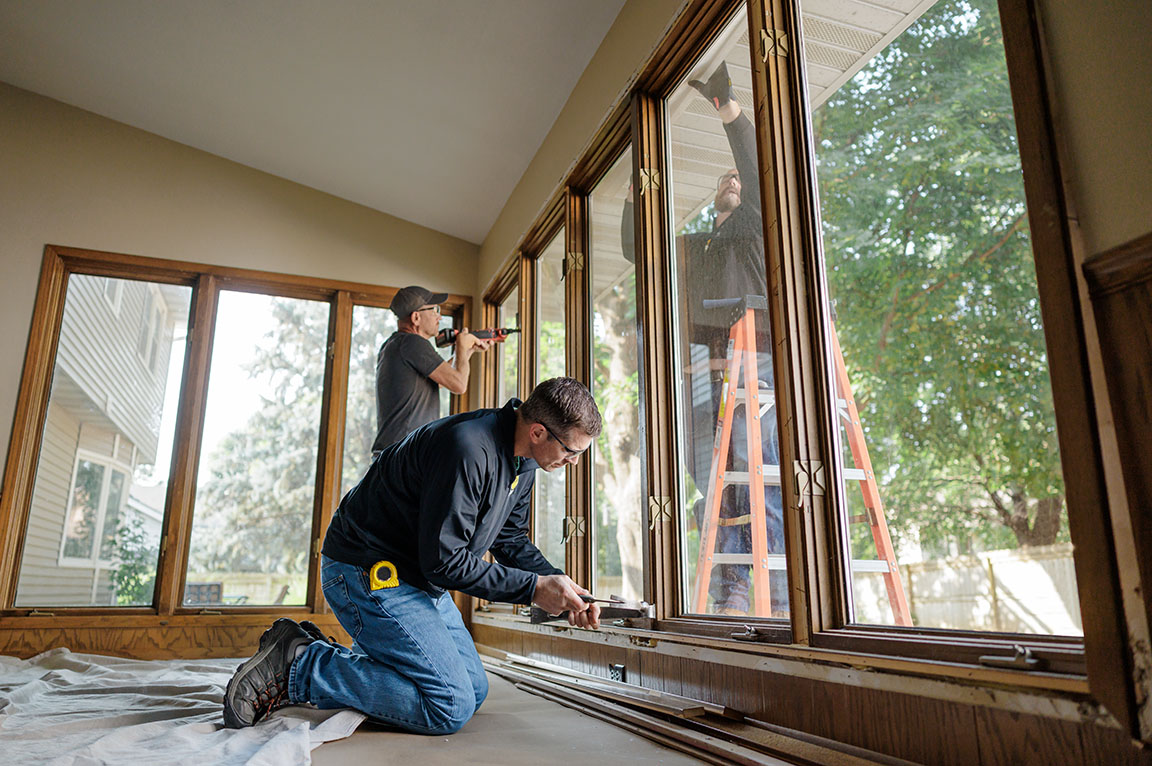
When in doubt, it’s always best to get a professional opinion. Pella experts can help you decide if replacement is the best option and assist you in choosing from a large selection of high-quality windows that will last for years to come. New Pella windows can provide many long-lasting benefits including easy ventilation, improved energy efficiency, sound reduction, enhanced curb appeal and safety. Take a look at these replacement window installation options to ensure you get the benefits you expect and deserve.
Thinking about next steps?
Whether you’re exploring ideas or ready to talk details, we’re here to help. Schedule a consultation—or sign up for inspiration and real-home insights from Pella.
Frequently Asked Questions
How Do I Know If My Windows Are Drafty?
Close and lock your window, then hold your hand near the frame edges and corners. If you feel air movement, you have a draft. Alternatively, hold a lit candle or incense stick near the frame — if the flame or smoke wavers, air is leaking through. Drafty windows contribute to higher energy bills and reduced comfort.
Can I Repair My Windows Instead of Replacing Them?
In some cases, yes. Minor issues like hardware problems, worn weatherstripping, or a single cracked pane may be repairable. However, if the window frame is damaged or rotting, the seal between panes has failed, or the window is failing multiple performance signs, replacement is typically the more cost-effective long-term solution.
What Causes Condensation Between Window Panes?
Why are my windows foggy?
Condensation on the interior or exterior of a window often indicates high humidity levels and is nothing to worry about. Condensation between panes of insulating glass, however, can develop when the seal between panes of glass fail and allows moisture to leak in.
Should I replace my windows all at once?
It depends on why you are replacing windows. If a window is not functioning properly or is broken, it might be best to replace only that window. If you are looking to improve your home’s energy efficiency, update the entire look or reduce noise, replacing your windows all at once will likely achieve those goals more quickly and cost-effectively.