8 Benefits of Replacement Windows for Your Home

KEY TAKEAWAYS
- Replacing windows can significantly increase home value, with vinyl windows returning over 73% of the project cost upon resale.*
- New windows enhance home security, reduce dust and allergens, improve comfort by eliminating drafts, and can lower energy costs through better insulation.
- Modern windows offer noise reduction, improved curb appeal, and low-maintenance features like between-the-glass blinds and tilt-in sashes for easier cleaning.
What Are the Benefits of Replacement Windows?
Replacement windows do more than update how your home looks—they can improve how it feels and functions every day. Many homeowners begin researching replacement windows to understand whether the investment is worthwhile and what benefits they can expect. From energy efficiency and comfort to curb appeal and long-term value, modern replacement windows are designed to deliver meaningful improvements you’ll notice right away and over time.
- Improve energy efficiency and help reduce heating and cooling costs
- Enhance indoor comfort by minimizing drafts and temperature fluctuations
- Increase home value and overall livability
- Reduce outside noise for a quieter interior environment
- Boost curb appeal with updated styles, colors and finishes
- Create a more consistent indoor environment throughout the home
Top Benefits of Replacing Your Windows
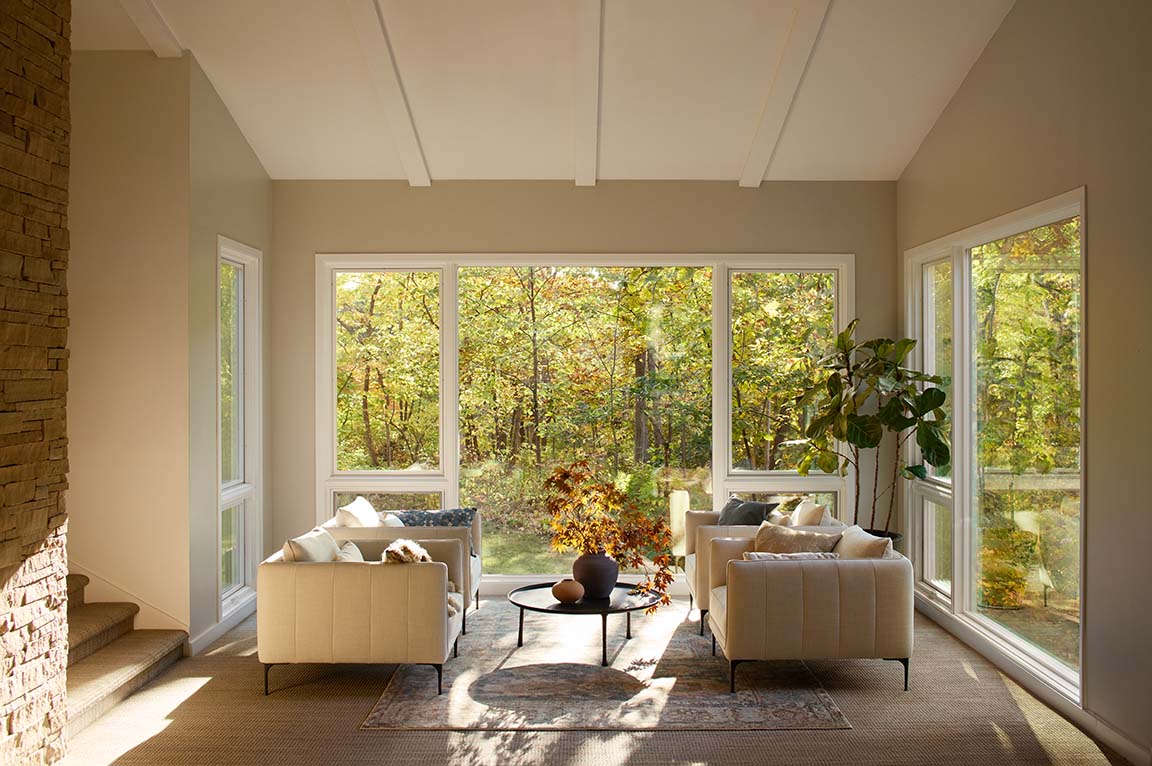
Replacing older windows can provide several meaningful improvements to your home. Modern replacement windows are designed to improve energy efficiency, enhance comfort and update the appearance of your home. Below are some of the most common benefits homeowners experience when upgrading their windows.
1. Improved Energy Efficiency
Energy-efficient replacement windows are designed to help reduce heat transfer, keeping conditioned air inside your home. Features like multi-pane glass, insulating gas fills and advanced frame materials all contribute to better performance.
Improving efficiency can help reduce the workload on your heating and cooling systems, which may lower energy costs over time. According to ENERGY STAR®, replacing older windows with energy-efficient options may help reduce utility bills by up to 13%.
To better understand what to look for, explore how energy-efficient window features work and how to choose the right options for your home.
2. Improved Home Comfort
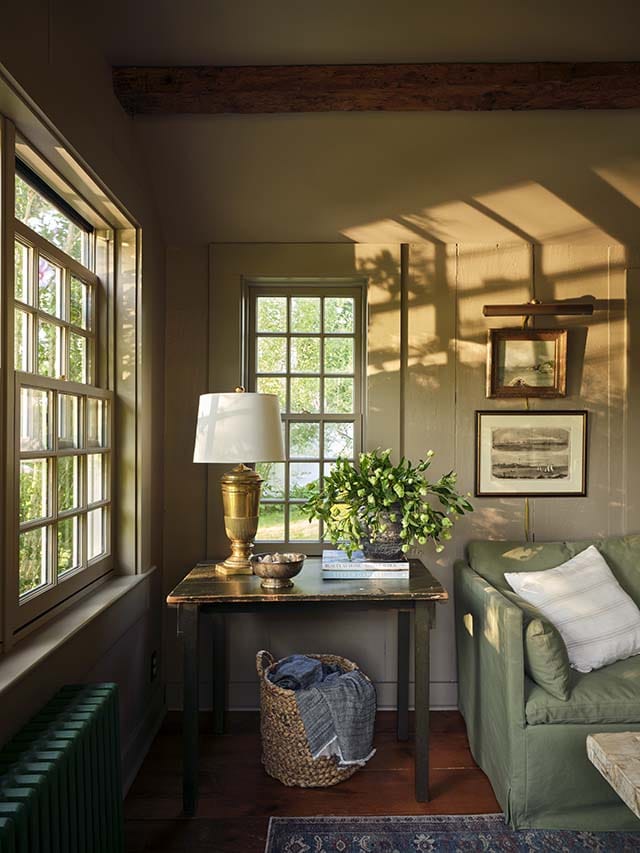
Drafty windows can make it difficult to maintain a consistent indoor temperature. Replacement windows are built with tighter seals and improved insulating features that help reduce air leakage throughout your home.
This can eliminate cold spots in the winter and overheated areas in the summer, creating a more balanced and comfortable living environment in every room.
3. Enhanced Curb Appeal
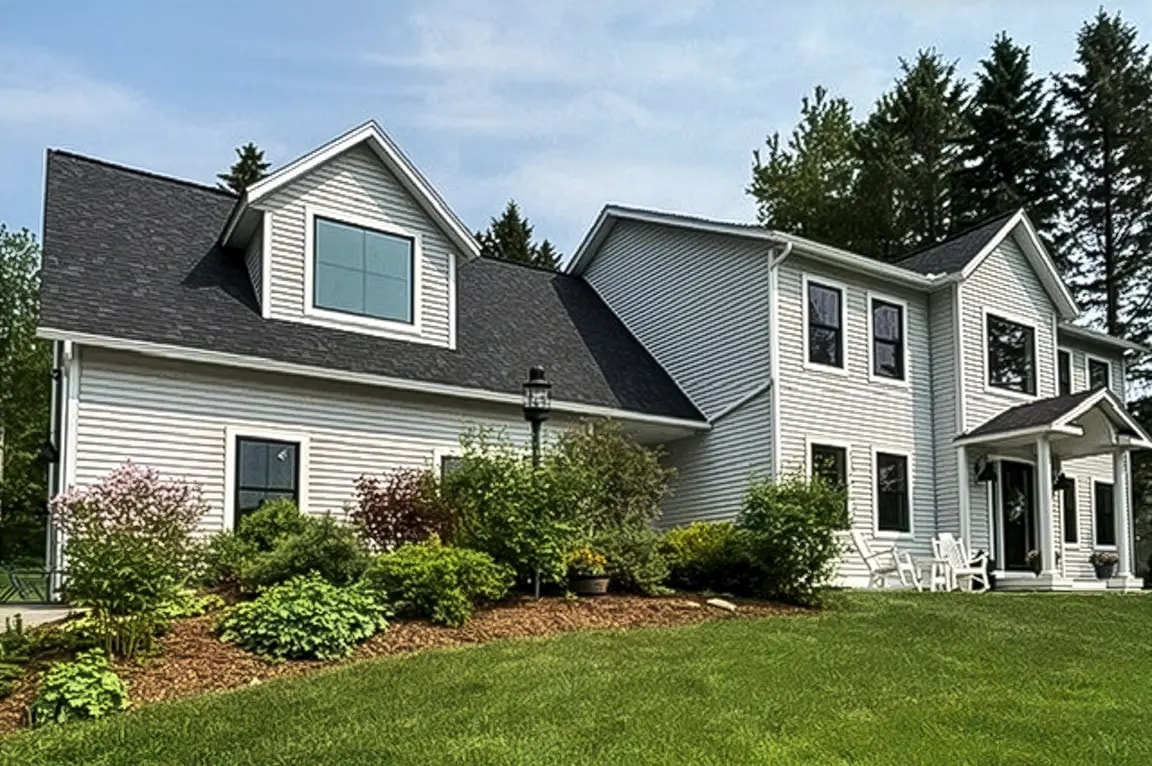
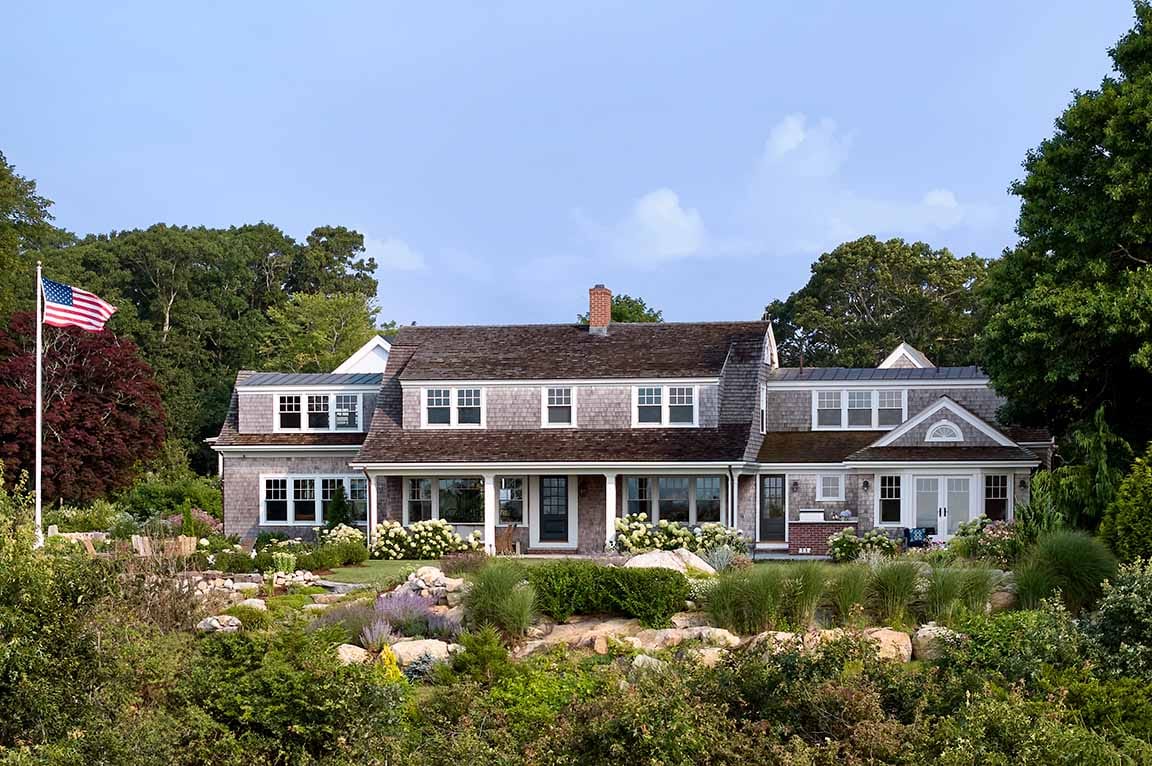
Windows play a major role in how your home looks from the outside. Replacing older windows with updated styles, colors and finishes can significantly change the overall appearance of your home.
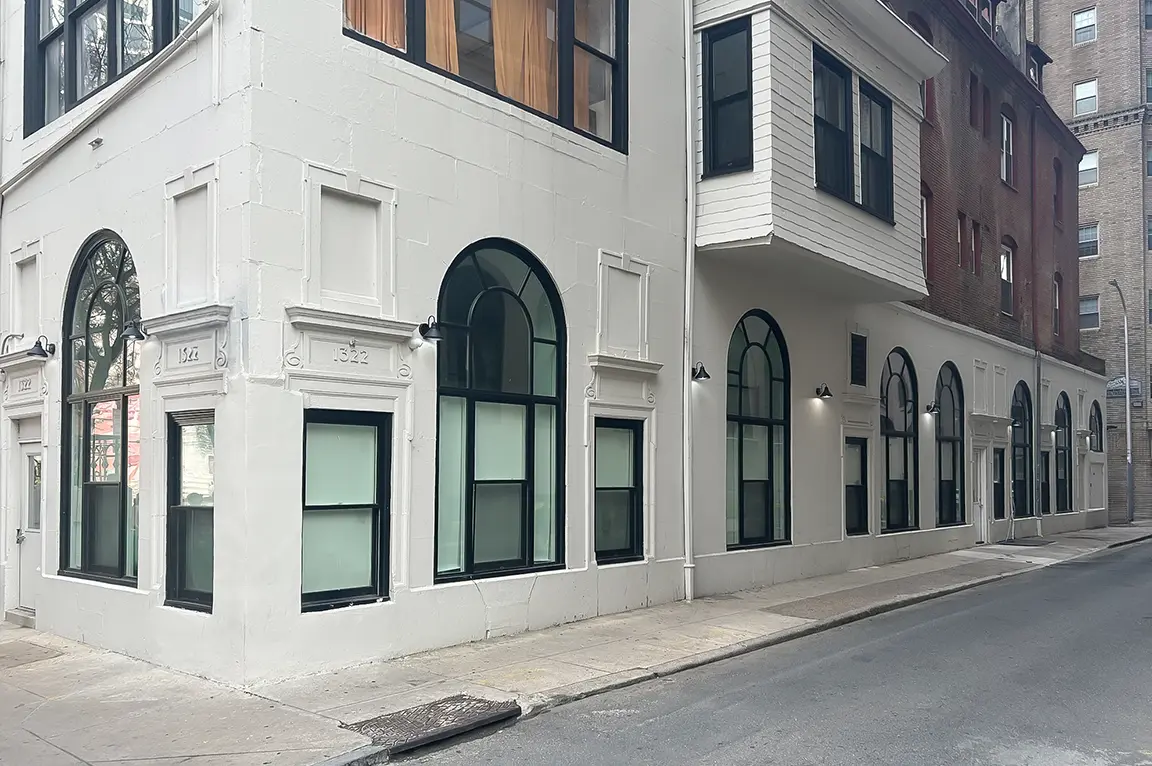
Whether you choose bold black frames or a more traditional finish, new windows can help your home feel more modern, cohesive and visually appealing from the street.
Find out more about why window replacement matters and how to get started today.
4. Increased Home Value
Replacing windows is one home improvement project that can offer a strong return on investment. Updated windows signal to potential buyers that the home has been maintained, which can positively influence resale value and buyer perception.
Beyond resale, new windows contribute to the overall quality and livability of your home. Clean sightlines, updated finishes and improved performance all add to a more polished, well-cared-for appearance—even if you’re not planning to sell anytime soon.
5. Noise Reduction
Outside noise from traffic, neighbors or weather can disrupt your home environment. Replacement windows with insulated glass and well-sealed frames can help reduce how much sound enters your space.
While they won’t eliminate noise entirely, many homeowners notice a quieter, more peaceful interior after upgrading. This can be especially beneficial in bedrooms, home offices or homes located near busy streets.
6. Low-Maintenance Solutions
Modern replacement windows are designed with convenience in mind. Features like tilt-in sashes make cleaning easier, while durable materials reduce the need for repainting or refinishing over time.
These updates allow you to spend less time maintaining your windows and more time enjoying natural light, fresh air and the views they provide.
7. Enhanced Home Security and Safety
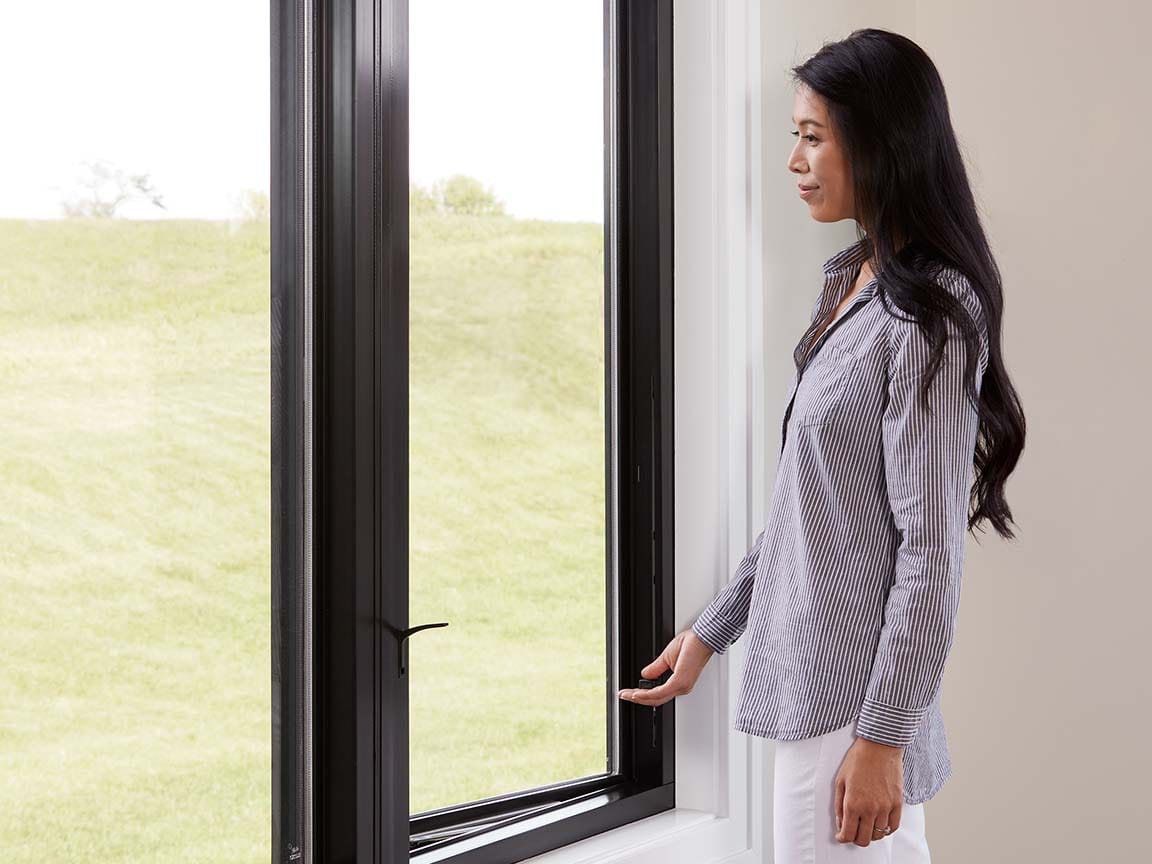
Older windows that are difficult to open or close can become a safety concern over time. Replacement windows are designed to operate more smoothly, making them easier to use for ventilation and emergency exit situations when needed.
Modern window designs also include improved locking systems and optional security features. These updates can help provide added peace of mind while ensuring your home remains both accessible and secure.
8. Reduced Dust and Allergens
Some replacement window options include features like between-the-glass blinds and shades. Because they’re sealed between panes of glass, they’re protected from dust buildup and require less frequent cleaning than traditional window coverings.
Reducing exposed surfaces where dust can collect may help improve indoor air quality over time. For busy households, this can also mean fewer allergens circulating and less time spent maintaining blinds and shades
.jpg&w=3840&q=80)
.jpg&w=3840&q=80)
Explore Window Materials That Deliver These Benefits
While all replacement windows offer similar core benefits, the level of performance, durability and maintenance required can vary depending on the window material you choose. Understanding how different materials perform can help you select the right option for your home and climate.
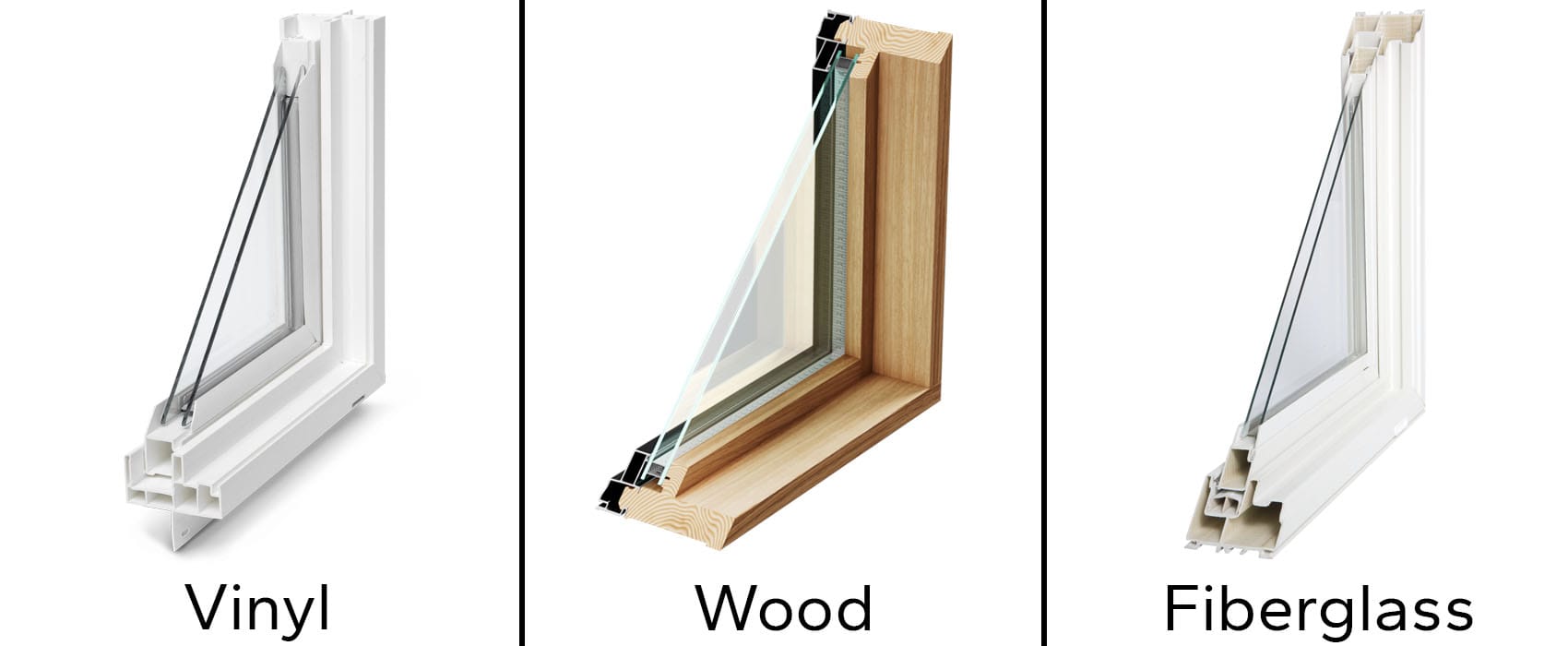
Vinyl Windows
Vinyl windows are known for their low maintenance and strong overall value. They resist moisture and do not require painting, making them a practical option for homeowners looking for a durable, easy-care solution.
Their multi-chambered construction can also contribute to energy efficiency, helping support comfort throughout the year.
Wood Windows
Wood windows offer a timeless appearance and natural insulating properties. They are often selected for their ability to complement traditional architecture and provide design flexibility with interior finishes.
With proper care, wood windows can provide long-lasting performance while enhancing the character of your home.
Fiberglass Windows
Fiberglass windows are engineered for strength and stability. They can perform well in extreme temperature conditions and are less likely to expand or contract compared to other materials.
This durability makes them a reliable option for homeowners seeking long-term performance with minimal upkeep.
When Replacement Windows Make the Biggest Difference
You’ll see the biggest impact from replacement windows when your current ones start to fail—whether that’s through drafts, poor insulation or visible wear—because new windows can immediately improve comfort, efficiency and ease of use. Common signs it may be time to replace your windows include:
- drafty windows
- condensation between panes
- difficulty opening or closing
- visible damage or rot
If you’re noticing these issues, it may be time to explore whether replacement is the right next step.
Should You Repair Windows or Replace Them?
If you’re deciding between repairing or replacing your windows, start by looking at how they’re performing day to day. Small, isolated issues can often be repaired, but widespread or recurring problems are usually a sign it’s time to replace.
You may be able to repair your windows if:
- The issue is minor, like loose hardware or a small seal failure
- The window opens, closes and locks properly
- There’s no visible damage to the frame or glass
- You’re not experiencing drafts, fogging or rising energy bills
However, replacement is often the better long-term option if you’re noticing multiple concerns at once. Common signs include difficulty operating the window, uncomfortable drafts, outside noise or visible damage like condensation between panes or broken glass.
In these cases, repairs may only provide a temporary fix. Replacing your windows can address the root of the problem while improving comfort, energy efficiency and overall appearance—helping your home perform better now and over time. tical short-term solution when the window frame and glass are still in good condition.
Why Replacement Windows Matter in Different Climates
Climate plays a major role in how windows perform and which benefits matter most. Choosing the right windows for your region can help maximize energy efficiency, durability and overall comfort.
Midwest Homes
Midwestern climates are defined by wide seasonal swings, but conditions can vary depending on location. Homeowners in Des Moines and across Iowa, as well as the Chicagoland area, often experience a balance of cold winters and warm, humid summers—making year-round efficiency a key priority.
In areas like Detroit, Milwaukee and other parts of the northern Midwest, longer and more severe winters increase the need for windows that help retain heat. Features like triple-pane glass, insulating gas fills and tightly sealed frames can support indoor comfort during extended cold periods.
In the plains and areas like St. Louis, homeowners often experience both temperature extremes and strong seasonal storms. In addition to insulation performance, durable construction and reliable seals can help protect against wind, rain and fluctuating conditions.
Southern Homes
Southern climates are generally defined by heat, humidity and long cooling seasons, but regional differences still shape how homeowners approach window replacement.
In Nashville, and Kentucky, homeowners experience four seasons but with extended periods of heat and humidity. Windows that help reduce solar heat gain while maintaining consistent indoor temperatures can improve comfort throughout much of the year.
In Tampa and across parts of the Southeast, high humidity and strong sun exposure are common. In these conditions, features like Low-E glass and well-sealed frames can help reduce heat transfer while limiting moisture-related wear over time.
Texas homeowners in cities like Fort Worth and Austin are presented with some of the most intense heat conditions, where managing solar exposure is critical. Windows designed to reflect heat and reduce glare can help keep interiors more comfortable while easing the demand on cooling systems.
In Atlanta, long cooling seasons combined with humidity make energy efficiency and moisture control equally important. Proper installation and durable materials can help ensure windows continue performing well over time.
Many of these priorities also apply to areas like Arizona and New Mexico, where dry heat and strong sun exposure similarly require windows that can manage thermal performance and interior comfort.
Coastal Homes
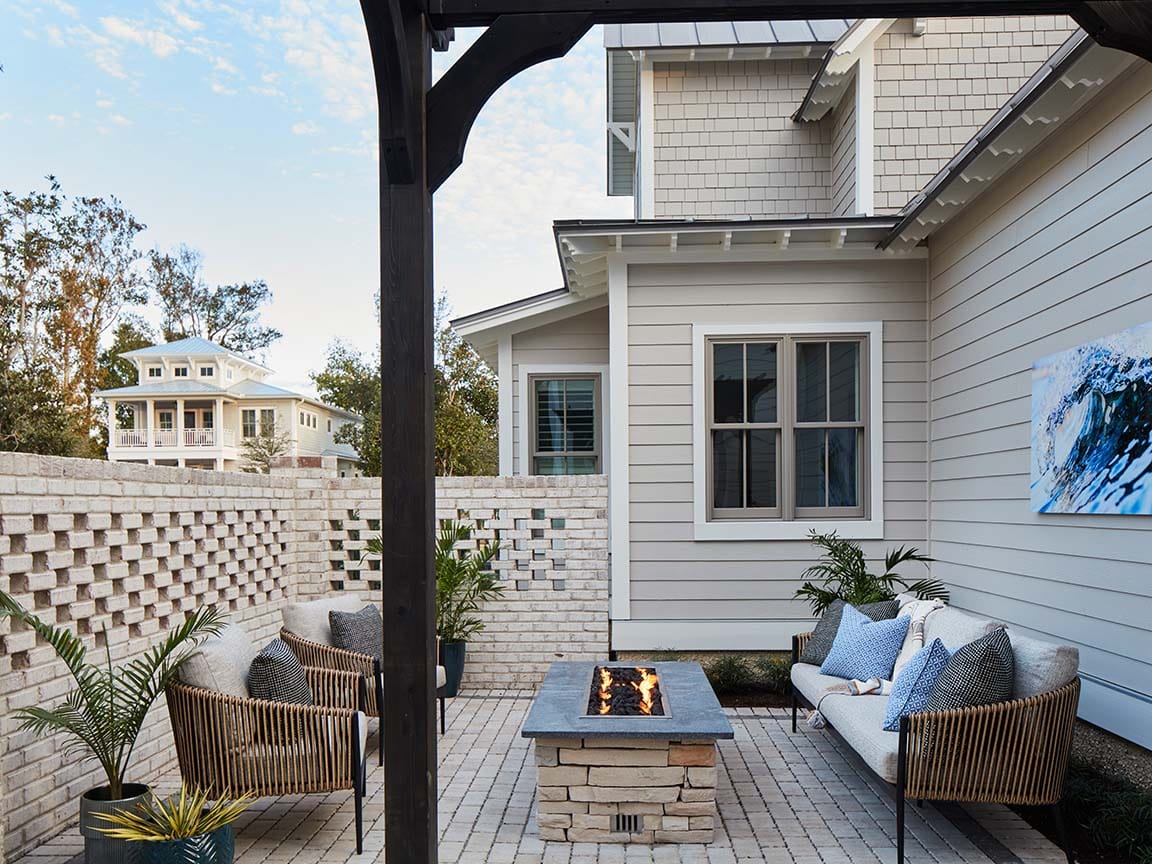
Coastal environments bring consistent exposure to moisture, salt air and changing weather conditions, but the intensity of these factors can vary by region.
In Southern New England homeowners often deal with a mix of seasonal temperature changes, coastal moisture and salt air. Windows in these areas need to balance energy efficiency with long-term durability to withstand year-round conditions.
Along the Southeast coast, including South Carolina and North Carolina, high humidity and frequent storms can impact window performance. Strong seals, moisture-resistant materials and durable construction can help protect against long-term wear.
In California cities, like Los Angeles and San Diego, coastal conditions vary from mild to more demanding depending on location. While temperatures may be more moderate, salt air and moisture can still affect materials over time, making durability and proper construction important considerations.
Across all coastal regions, some homeowners may also consider impact-resistant glass or reinforced construction to provide additional protection against wind and severe weather—while still maintaining expansive views and natural light.
Northeast Homes
Northeast homes face a wide range of conditions, from freezing winters and humid summers to moisture exposure in coastal areas.
In New Jersey, homeowners often focus on improving insulation, reducing drafts and selecting windows that fit the character of older homes. Around Baltimore, humid summers and winter cold make durable materials and energy-efficient glass important for year-round comfort.
In Boston, freezing temperatures, wind-driven rain and coastal moisture can all impact long-term performance, so homeowners often prioritize durability along with styles that complement classic architecture. In Maine, long winters, strong winds and salt air in coastal areas make thermal performance and moisture resistance especially important.
Across Northeast markets, the focus is often on balancing energy efficiency, durability and architectural compatibility.
Understanding Replacement Window Costs
The cost of replacement windows can vary based on materials, size, customization and installation factors. While upfront pricing differs from project to project, many homeowners consider the long-term value, including energy savings, comfort improvements and durability.
Understanding what influences window cost can help you plan your project more confidently and set realistic expectations.
Find Replacement Windows Near You
Exploring replacement windows locally can help you better understand available options, pricing and installation support in your area. Working with a local team allows you to see products firsthand and get guidance tailored to your home and climate.
Taking the time to explore your options can help you make a more informed decision and feel confident in your investment.
*Based on 2025 Cost vs Value Report, The Journal of Light Construction, CVV Projects – Journal of Light Construction, Accessed 6/10/2026