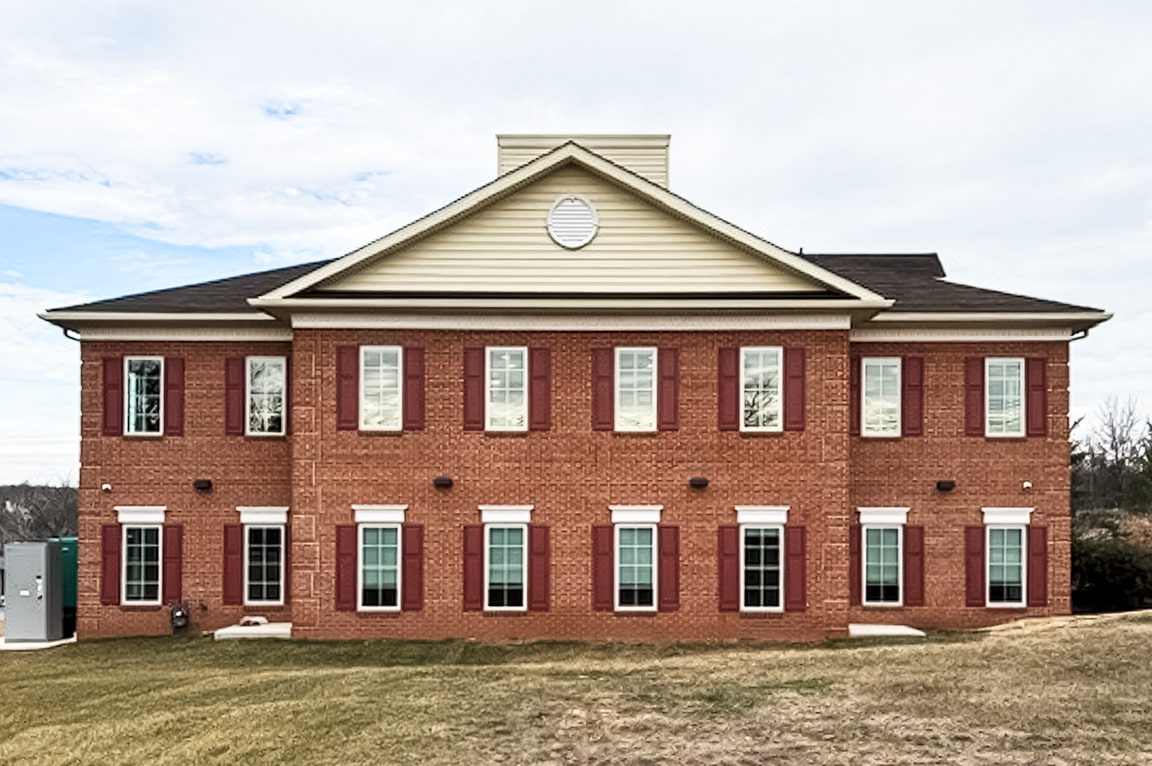
Historic Window Replacement Project in Wilmington Preserves Traditional Architecture
Replacement double-hung windows were selected to maintain the visual character of a more than 100-year-old clergy residence.

Project Details
Project Type:
Commercial Window Replacement
Building Type:
Office/Community
Location:
Wilmington, DE
Pella Products Used:
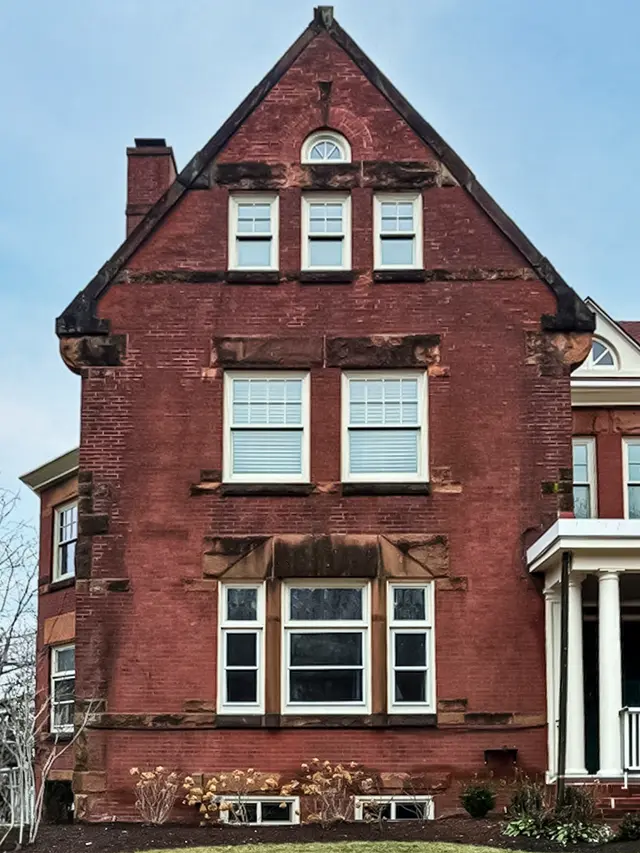
Located along Kentmere Parkway in Wilmington, this historic brick residence serves as the Provincial Residence of the Oblates of St. Francis de Sales. The property functions as both a clergy residence and administrative headquarters for the Wilmington-Philadelphia Province, which oversees ministries throughout the East Coast. With roots in the region dating back to 1903, the building carries architectural significance that required a careful approach to window replacement.
The existing openings featured a wide range of non-standard sizes, masonry conditions and historically influenced proportions. Rather than introducing modern profiles that would visually conflict with the structure’s original character, the project team selected Pella Reserve Traditional double-hung windows to maintain the building’s traditional appearance while updating the glazing system and weather performance.
Pella Reserve Traditional Windows Support Historic Architectural Details
A major consideration on the project was preserving the visual rhythm of the historic brick façade. The replacement windows were specified with traditional putty glaze detailing, ogee sash profiles and spoon-style locking hardware to align more closely with historic wood window construction. Multiple window configurations also incorporated integral light technology grilles in traditional patterns to replicate divided-light appearances without significantly altering sightlines.
The project included numerous custom-sized double-hung and fixed sash configurations throughout the building. Several upper-level window assemblies combined a central double-hung window with narrow fixed picture windows to maintain the building’s original proportions and symmetry. These branch-assembled combinations required aligned mull placement and perimeter wrapping details to maintain consistent proportions across the façade.
Exterior finishes were specified in Almond EnduraClad® aluminum cladding paired with bright white painted pine interiors. That combination helped preserve the warm appearance of the existing masonry while providing a more durable exterior finish suited to long-term exposure and reduced maintenance cycles.
Custom Window Sizes Address Existing Masonry Openings
Because the building predates modern standardization, many of the rough openings varied significantly in dimension. The order included multiple non-standard frame sizes, including oversized double-hung units, narrow custom openings and branch-assembled mulled systems. Several units also required specialized Azek bending and custom capping components to accommodate curved masonry conditions and existing architectural detailing around the openings.
The use of custom sizing allowed the project team to avoid unnecessary modification to the existing brick envelope. That approach is especially important on historic masonry structures where changing opening dimensions can introduce structural concerns, visual inconsistencies or additional restoration costs.
The project also incorporated obscure Low-E insulating glass in select openings where privacy was required without sacrificing natural light transmission.
Double-Hung Windows to Improve Performance
Although the project prioritized architectural continuity, thermal performance also played a role in the specification process. The new windows included Advanced Low-E insulating glass with argon gas fills across the project. Depending on configuration, units achieved U-Factors as low as 0.27 while maintaining traditional wood window aesthetics.
Several units also met CW performance classifications and incorporated integrated Rolscreen® functionality within the lower sash assemblies. The result is a window package that aligns with the historic appearance of the residence while supporting improved occupant comfort and more modern performance expectations.
Historic Window Replacement Requires Coordination Between Design and Installation Teams
Projects involving century-old buildings often require collaboration beyond standard replacement conditions. This installation involved coordination between Pella and ABHA Architects to balance preservation goals with updated performance requirements. The design team worked to maintain the structure’s historic visual identity while integrating modern insulating glass systems and custom fabrication details into irregular existing openings.
The completed project demonstrates how historically influenced commercial and institutional buildings can incorporate updated window systems without introducing incompatible contemporary profiles or materials.
Thinking about next steps?
Whether you’re exploring ideas or ready to talk details, we’re here to help. Schedule a consultation—or sign up for inspiration and real-home insights from Pella.