Historic Window Replacement Project at University of Pennsylvania Preserves Gothic Revival Architecture
Custom single-hung windows were specified to align with the historic detailing and scale of College Hall.

Project Details
Project Type:
Commercial Window Replacement
Building Type:
Education
Location:
Philadelphia, PA
Pella Products Used:
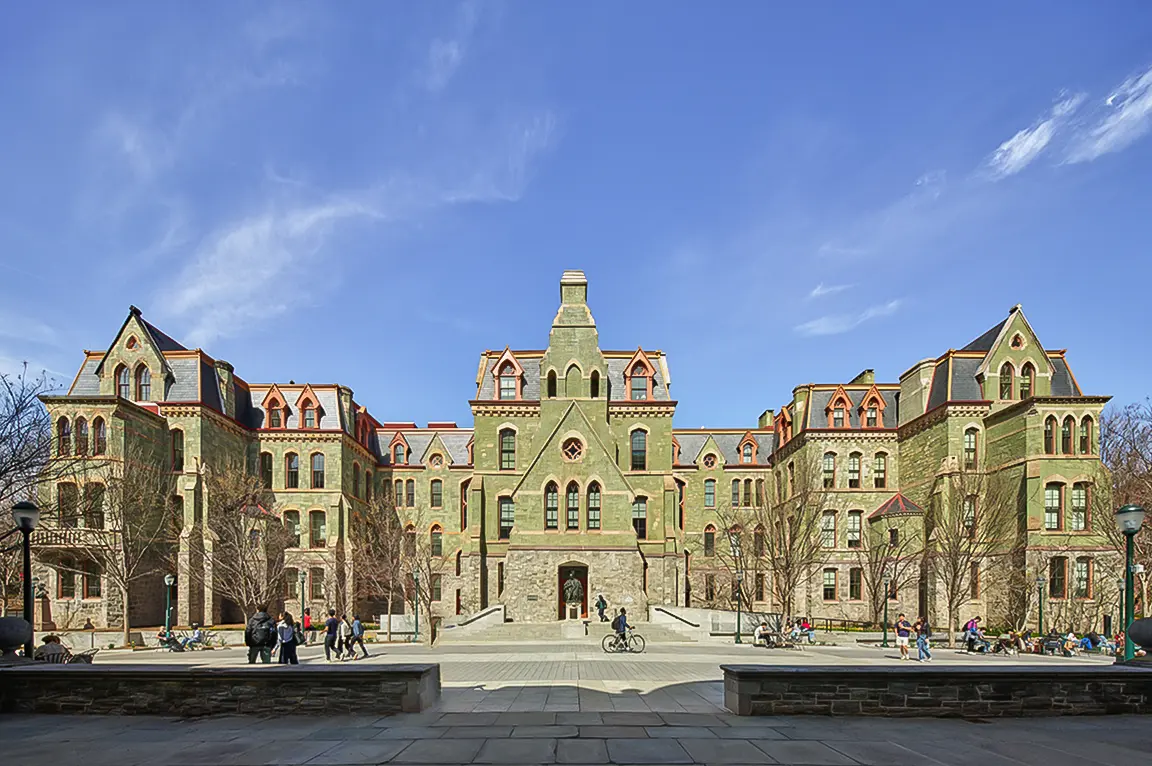
College Hall remains one of the most recognizable buildings on the University of Pennsylvania campus and serves as an important example of Gothic Revival architecture in Philadelphia. Originally completed in 1873 and designed by architect Thomas Webb Richards, the building once housed all functions of the university and today contains administrative offices, classrooms and undergraduate admissions. The structure was added to the National Register of Historic Places in 1978, making preservation-sensitive renovation decisions central to the project.
The replacement scope focused on nearly the entire building, while select top-floor windows were designated for refurbishment rather than replacement to preserve specific historic components. The project team prioritized maintaining the original architectural character while improving durability, weather resistance and long-term operational performance across the building envelope.
Pella Reserve Single-Hung Windows Replicate Historic Gothic Revival Details
The existing openings throughout College Hall feature tall, narrow proportions and complex Gothic-inspired shapes that required custom fabrication rather than standard commercial sizing. Pella Reserve Traditional single-hung windows were selected because the product line supports historically accurate detailing while accommodating highly customized dimensions and grille layouts.
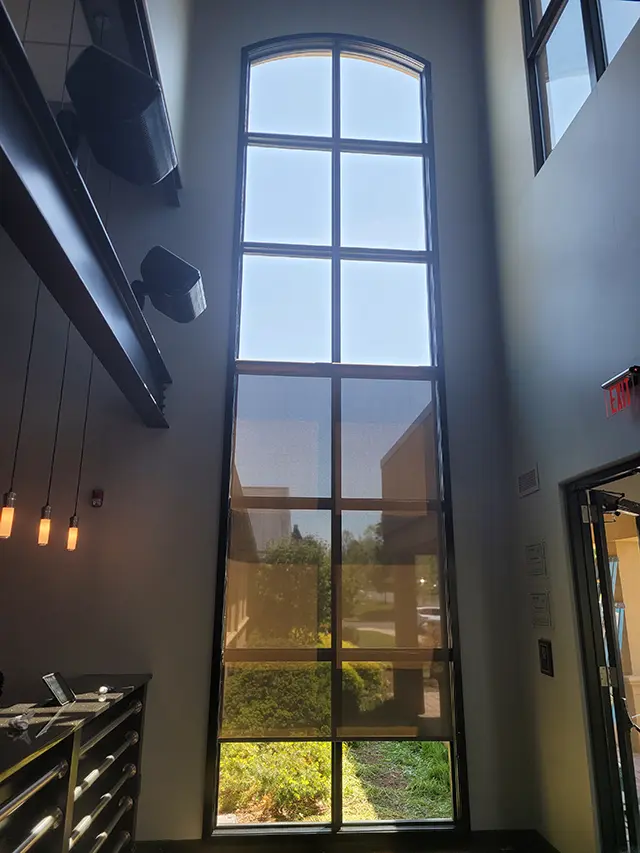
Many of the replacement windows exceeded 100 inches in height and incorporated custom Integral Light Technology® grille patterns requiring Arch Services drawings to coordinate proportions with the surrounding stone tracery and arched openings. The narrow sightlines and traditional putty glaze profiles helped preserve the vertical emphasis characteristic of Gothic Revival architecture visible throughout the building façade.
The installed windows also incorporated ogee sash detailing, spoon-style hardware in satin nickel and historically influenced through-stile construction. Together, these elements allowed the replacement assemblies to visually align with the original window appearance without introducing overly contemporary profiles or detailing.
Custom Commercial Windows Address Non-Standard Historic Openings
One of the defining challenges of the project involved the variability of the original masonry openings. The order included numerous custom-sized single-hung windows with differing frame dimensions, rough openings and operating requirements throughout the building.
Several units also incorporated upgraded balancing systems and limited opening hardware due to the unusually tall sash sizes and operational requirements associated with educational and administrative occupancy. Large-format single-hung assemblies measuring more than eight feet tall required careful coordination between fabrication and installation teams to maintain smooth operation while supporting the weight of the sash.
The project also utilized Douglas Fir interiors with unfinished surfaces to allow field finishing coordination with the surrounding historic interior conditions. Exterior finishes used custom-painted EnduraClad® Plus aluminum cladding to match the existing architectural palette and improve long-term weather resistance.
Low-E Glass and Durable Cladding Support Long-Term Building Performance
While preserving the appearance of the original windows remained the primary design driver, the replacement assemblies also introduced updated insulating glass systems intended to improve long-term thermal performance and durability.
The project incorporated Advanced Low-E insulating glass with argon gas fills throughout the installation. Select windows also included tempered obscure Low-E glazing where privacy requirements existed within the building program. Performance data for many units achieved U-Factors around 0.30 while maintaining historically appropriate profiles and grille detailing.
Because many of the original openings sit within deeply articulated stone façades, the project also relied on factory-applied wrapping details and custom fabrication strategies to support cleaner integration with the existing masonry conditions.
Historic Preservation Construction Required Collaboration Across Trades
This project required coordination between window fabrication teams, preservation stakeholders and Clemens Construction, which managed broader restoration efforts throughout College Hall. In addition to window replacement, the larger scope included structural reinforcement, stone façade restoration, roof work, elevator upgrades and stairwell restoration.
For historically significant educational buildings, replacement window projects often require balancing preservation standards with modern operational expectations. At College Hall, the use of custom Pella Reserve single-hung windows allowed the project team to maintain the visual identity of one of Philadelphia’s most recognizable academic buildings while improving long-term performance and durability for future campus use.
Thinking about next steps?
Whether you’re exploring ideas or ready to talk details, we’re here to help. Schedule a consultation—or sign up for inspiration and real-home insights from Pella.