How to Choose Windows for Your Home
Your Complete Window Buying Guide for Style, Comfort and Long-Term Value

KEY TAKEAWAYS
- Consider lifestyle, climate, and room function when selecting windows to ensure they meet your comfort and efficiency needs.
- Choose from materials like wood, fiberglass, or vinyl, each offering unique benefits in durability, maintenance, and insulation.
- Look beyond initial costs—energy-efficient windows can lower utility bills, boost resale value, and offer long-term savings.
Choosing the right windows for your home comes down to six key factors: lifestyle, climate, budget, material, window style and glass performance. This guide walks you through each decision point to help you find windows that fit your home, improve comfort and align with your long-term budget goals.
Windows do more than frame a view. They help define the style of your home, influence how comfortable your spaces feel and play a major role in your home’s energy performance. Whether you’re selecting replacement windows or choosing styles for new construction, the right windows can make a lasting difference in how your home looks, feels and functions. But with so many window materials, styles and features available, knowing where to start can feel overwhelming. That’s why we created this guide—to walk you through the five key factors to consider when shopping for windows. From lifestyle and climate considerations to budget, materials and features, these insights will help you narrow down your choices and find the best fit for your home.
Key Factors to Consider When Choosing the Right Windows
There are several factors to consider when choosing the best windows for your home. As you start shopping, these six factors can help you focus your search and make the right choice for your project.
1. Lifestyle and Climate Considerations
How you live—and where you live—should guide your window choices. Think about how rooms are used, who uses them and how often. Bedrooms may need extra privacy, while main living areas often benefit from abundant natural light. Homes with children or pets may benefit from between-the-glass blinds that are cord-free and easier to clean. Easy-to-use locks and tilt-in sashes also improve convenience and safety.
Your regional climate plays a role, too. If you live in a cold climate, look for windows with triple-pane glass and argon gas fills. In hot or sunny areas, Low-E coatings help reflect heat and protect your furnishings from UV rays. Near the coast or in humid environments, durable materials like fiberglass or vinyl help resist swelling, corrosion and rot.
2. Budget and Long-Term Value
Understanding the total cost of your window project is important—but it’s just one part of the equation. Energy-efficient windows can deliver long-term savings, with ENERGY STAR® estimating homeowners may reduce utility bills by up to 12% by upgrading. In addition to lowering monthly energy costs, modern materials can help minimize ongoing maintenance like painting or refinishing. New windows may also help increase your home’s resale value. According to the Remodeling Cost vs. Value Report, homeowners who install energy-efficient wood or vinyl windows can recoup over 60% of the project cost at resale—making them a smart investment beyond the initial price.
If your budget is tight, consider replacing windows in phases or room by room. Many homeowners start with the draftiest spaces first, then expand the project over time. If you’re comparing costs by material, style and installation approach, explore replacement window cost guidance to better understand what impacts your overall investment.
A helpful way to think about budget is lifespan. Different materials deliver different long-term value:
- Vinyl windows: typically last 20–40 years
- Fiberglass windows: can last up to 50 years
- Wood windows: often last 30+ years with proper upkeep
- Aluminum windows: generally last 15–20 years
Installation quality, weather exposure and maintenance all influence how long your windows ultimately perform.
3. Window Frame Materials: Comparing Options
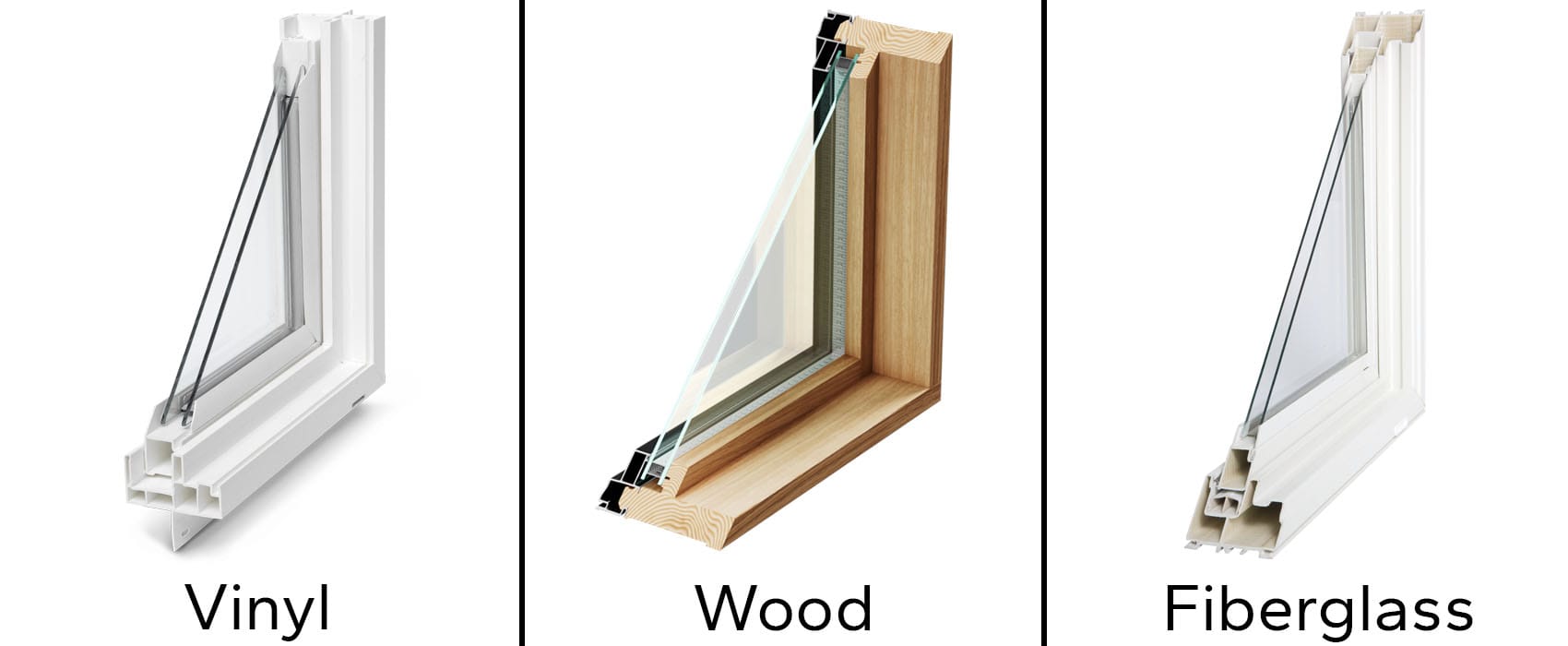
The material you choose for your window frames plays a big role in how your windows look, perform and hold up over time. From classic wood to durable fiberglass to low-maintenance vinyl, each option offers its own set of benefits depending on your style preferences, climate and budget.
Wood Windows
Wood has long been a go-to material for its natural warmth, classic aesthetic and excellent insulation. It works especially well in traditional or craftsman-style homes, and it can be finished to match nearly any interior. On the outside, many wood windows feature an aluminum-clad exterior—offering the beauty of real wood indoors with added protection against moisture, sun and weather damage outside.
Fiberglass Windows
Built for performance, fiberglass windows are incredibly durable and low-maintenance. They’re made from a composite material that expands and contracts very little with temperature changes, which helps maintain a tight seal and reduces the risk of warping or cracking. That makes fiberglass a smart choice for areas with extreme temperature swings or high humidity.
Vinyl Windows
Vinyl windows are known for their affordability and energy efficiency. The material itself is a good insulator, and modern vinyl windows often include features like multi-chambered frames and welded corners for added strength and performance. Unlike wood, vinyl never needs to be refinished, and it resists fading, peeling and corrosion.
4. Window Designs and Operational Types
Choosing the right window isn’t just about how it looks. The way a window opens, how much fresh air it lets in and how it works within your space can all make a big difference in your day-to-day comfort. From easy-to-open casement windows to wide, light-filled picture windows, each type has something unique to offer—so it helps to think about what will work best in each room.
Casement Windows
Hinged on the side and cranked open like a door, casement windows offer excellent ventilation and clear views. Because they seal tightly when closed, they’re also highly energy efficient.
Double-Hung Windows
With two movable sashes that slide vertically, double-hung windows are a classic choice for many homes. They allow ventilation from the top, bottom or both and often tilt inward for easy cleaning—especially useful for upper floors.
Awning Windows
Hinged at the top and opening outward, awning windows are ideal for letting in fresh air—even during light rain. They’re often placed higher on walls or paired with large stationary windows.
Sliding Windows
Sliding windows open horizontally and are a practical choice for tight or high-traffic areas like over kitchen sinks or along patios. Their simple design is easy to operate and maintain.
Picture Windows
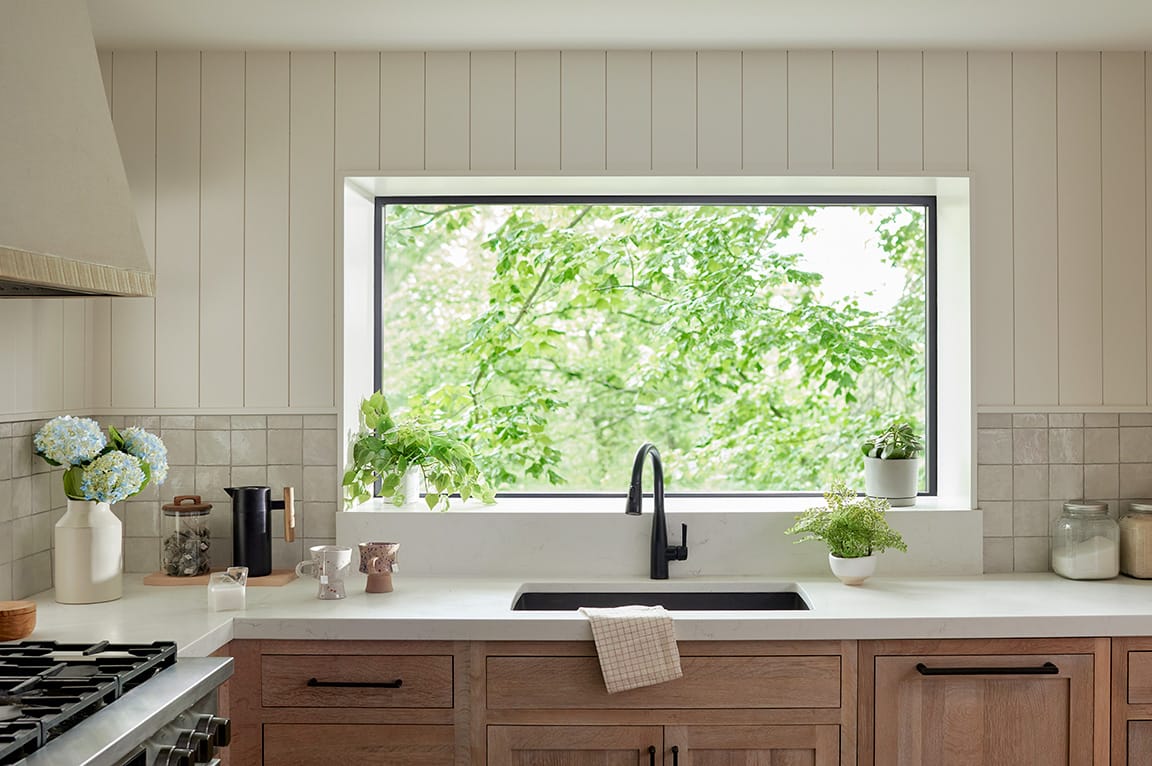
These large, fixed-pane windows don’t open, but they do flood your room with natural light and frame outdoor views beautifully. Picture windows perfect for showcasing scenery or adding a modern touch.
Bay and Bow Windows
Extending outward from your home, bay and bow windows create architectural interest, add square footage and provide panoramic views. They’re also a great way to add a cozy window seat or extra storage. Not sure which window style is right for your space? A local window professional can help guide your decision based on your home’s layout, design goals and energy needs.
5. Glass Technology Options
The right glass package can significantly improve your home’s comfort, energy efficiency and even noise control. Today’s windows go far beyond a simple pane of glass—offering high-performance features designed to meet the needs of different climates and lifestyles.
Single-, Double- and Triple-Pane Glass
- While single-pane windows were once common, they offer little insulation and are rarely used in modern homes. Most homeowners today choose double- or triple-pane windows.
- Double-pane windows are the standard, featuring two layers of glass separated by a sealed space that improves insulation.
- Triple-pane windows feature three panes of glass—available on select product lines—for increased energy efficiency, helping block up to 87% of the sun’s ultraviolet rays while enhancing overall performance.
Argon Gas Fills
The space between panes is often filled with inert argon gas, which is denser than air and slows heat transfer. This invisible upgrade can make a noticeable difference in keeping your indoor temperatures stable.
Low-E Coatings
Low-E, or low-emissivity, glass features a specialized coating designed to reflect heat and help keep your home comfortable year-round. It works to block most of the sun’s harmful UV rays—helping prevent carpet, furniture, décor and window treatments from fading over time. Many Pella windows include Low-E insulating glass, with exclusive coatings optimized for your specific geographic region to help improve efficiency and comfort.
Together, these glass technologies create a high-performance system that can help lower annual heating and cooling costs while protecting your home from the elements. Depending on your region, how you use your space and your budget, a Pella expert can help recommend the right glass package for your needs.
6. Window Features and Options
The right features can make your new windows even more functional, comfortable and tailored to your lifestyle. Think about how you use each space and what small upgrades could make a big difference.
For instance, if you’re looking for a cleaner, safer alternative to traditional window treatments, between-the-glass blinds and shades are a great option. They’re tucked away between the panes of glass, so they stay dust-free, reduce allergens, and are cordless for added safety—especially in homes with kids or pets.
Love fresh air but don’t love the look of screens? Retractable screens offer the best of both worlds. You can enjoy an open window when the weather’s nice, then roll the screen out of sight when it’s not in use.
You can also personalize your windows with details that reflect your style. Choose from hardware finishes like matte black, brass or nickel to match your home’s design. Explore grille patterns that align with your home’s architecture or pick glass upgrades that enhance privacy or energy performance.
Not sure where to start? Try out different looks and features using our window design tool, or get inspired by browsing project photos that show what’s possible.
Choosing Windows by Room
The best windows for your home often depend on the specific room and how you use that space.
Kitchen Windows
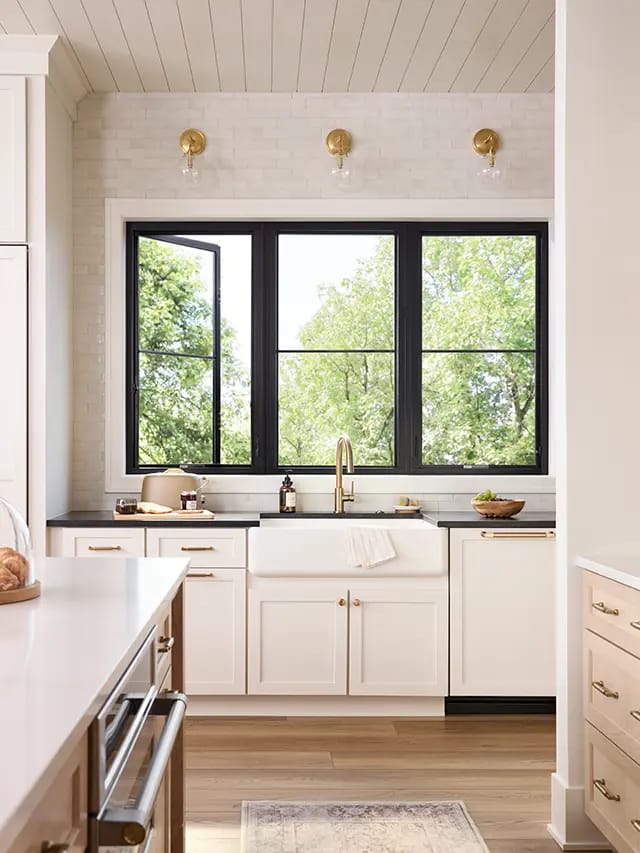
When choosing kitchen windows, prioritize ventilation and easy operation. Casement or awning windows work especially well, while picture windows above sinks help maximize natural light and preserve views.
Bedroom Windows
For bedroom windows, focus on privacy, sound control and safety. Triple-pane glass can help reduce outside noise, while privacy glass or window treatments can improve comfort. If the bedroom is on an upper floor, egress requirements may also affect your selection.
Bathroom Windows
Privacy and moisture resistance matter most when selecting bathroom windows. Obscure or frosted glass is a popular choice, and fiberglass or vinyl frames help resist humidity-related wear.
Living Room Windows
Living spaces often benefit from large picture, bay or bow windows that maximize daylight and create expansive views. Low-E glass helps protect flooring and furniture from UV exposure.
How Many Windows Should You Replace at Once?
Replacing all your windows at once often provides the most consistent aesthetic and can reduce per-window labor costs. It also allows installers to complete the project more efficiently.
While phased replacement can help spread upfront costs, completing the project in stages can sometimes increase total costs by 10–15% over time due to repeated labor setup, smaller order sizes and future material price increases.
That said, phased replacement is still a smart option when budget is the primary concern. Many homeowners choose to replace the most damaged, drafty or high-use rooms first, then complete the rest of the home later. This room-by-room approach can make the investment feel more manageable while still improving comfort and performance right away.
Professional Installation: Why It Matters
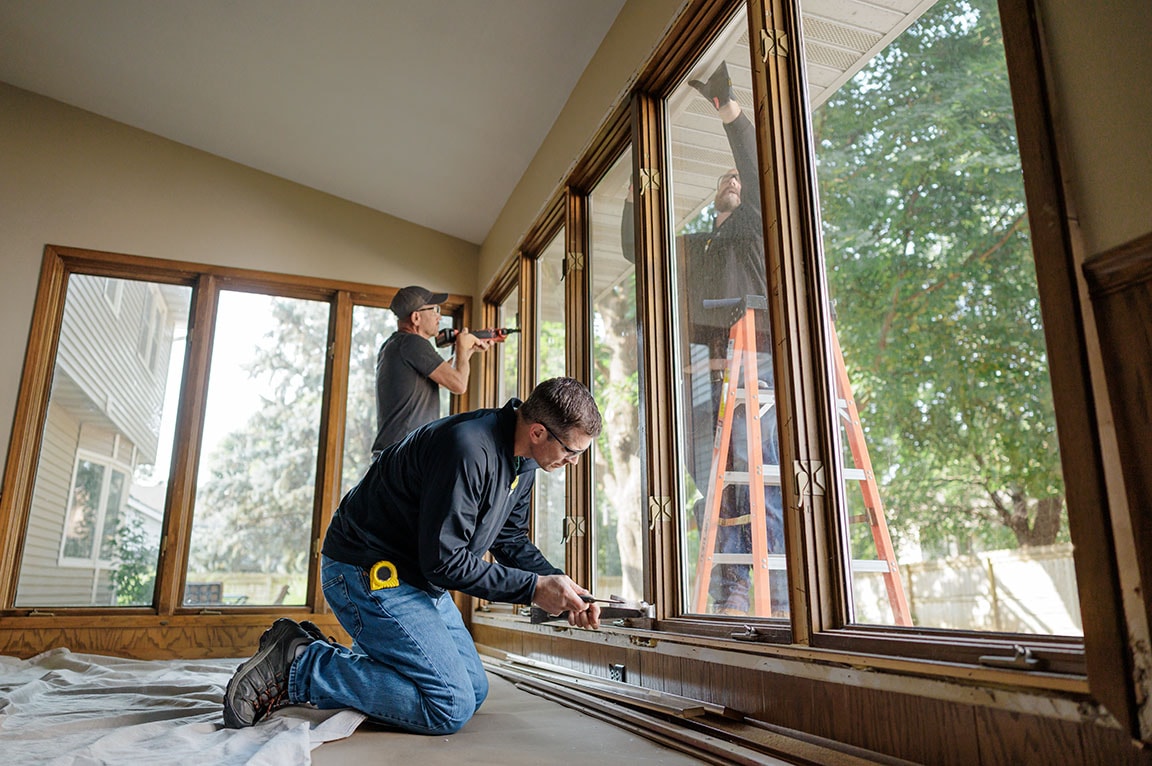
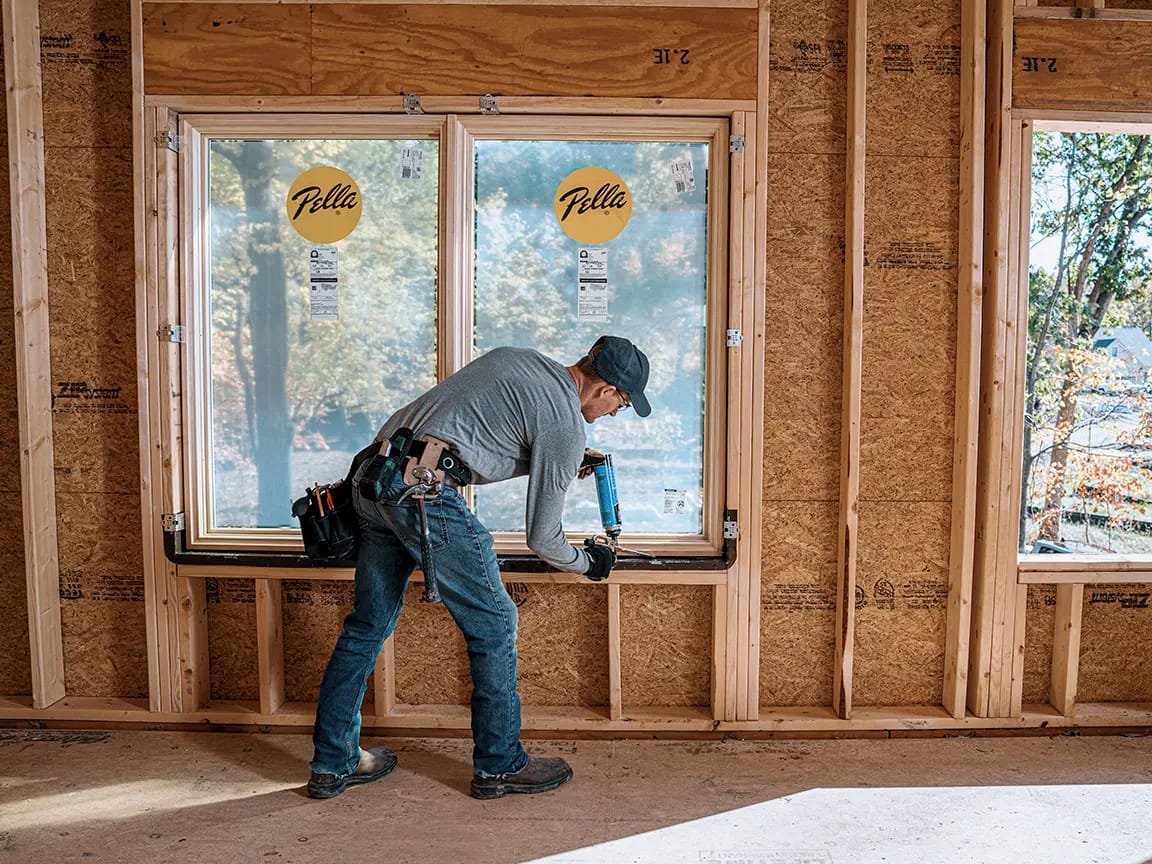
Even the best window won’t perform well if it’s not installed correctly. A high-quality installation is key to making sure your windows deliver the energy efficiency, comfort and durability you expect.
When installed properly, windows form a tight seal that helps prevent air and water leaks, which can drive up energy bills or cause damage over time. Poor installation, on the other hand, can lead to gaps, warping, or operational issues that shorten the life of your windows and affect your home’s insulation.
That’s why it’s important to work with trained, experienced professionals—ideally those certified or factory-trained by the window manufacturer. These installers understand the product inside and out, and they follow the right steps to ensure your windows are secure, level and properly sealed.
Here are a few tips for choosing a qualified installer:
- Ask about certifications or factory training specific to the brand you’re buying.
- Look for reviews or referrals from other homeowners in your area.
- Make sure installation is backed by a warranty—and know what’s covered.
When you choose Pella, you can opt for professional installation by Pella experts who are specially trained to handle your windows and ensure they perform as promised—giving you peace of mind from day one.
Take the Next Step with Confidence
Choosing the right windows for your home is about more than picking a style you like. It’s about finding a solution that fits your lifestyle, enhances comfort and efficiency and makes your home a place you love to be.
With a clearer sense of what to look for—from materials and styles to energy-efficient features—you can shop with more confidence and make informed decisions. When you're ready to take the next step, connect with your local Pella showroom to explore options, ask questions and schedule a consultation. A better view—and a better home—could be just one window away.
Frequently Asked Questions
Is it worth it to buy expensive windows?
Yes—higher-end windows often offer better energy efficiency, durability and long-term savings on energy bills. They may also help boost your home’s resale value and require less maintenance over time.
What are the best windows to keep heat and cold out?
Double- or triple-pane windows with Low-E glass and argon gas fills provide excellent insulation, helping keep your home comfortable year-round by reducing heat loss in winter and heat gain in summer.
How do I know what windows to buy?
Consider your climate, budget, and how each room is used. Look for energy-efficient features, durable materials like vinyl or fiberglass, and a style that fits your space. A window professional can help guide your choice.
How can you tell if a window is good quality?
Check for energy ratings like ENERGY STAR®, durable materials, solid construction, and smooth operation. Quality windows will seal tightly, resist warping, and offer performance features suited to your region.
How long do windows last?
Window lifespan depends on frame material and maintenance. Vinyl windows typically last 20–40 years, fiberglass up to 50 years, wood 30 or more years with proper upkeep and aluminum windows 15–30 years.
What is the best window frame material?
The best frame material depends on your priorities. Fiberglass offers exceptional durability, vinyl balances value and efficiency, and wood provides timeless beauty with strong insulation.
Should I replace all windows at once or one at a time?
Replacing all windows at once can reduce labor costs and create a consistent look throughout your home. A phased approach works well if budget requires prioritizing certain rooms first.