Replacement Window Cost by Material: Vinyl vs. Fiberglass vs. Wood (2026 Guide)

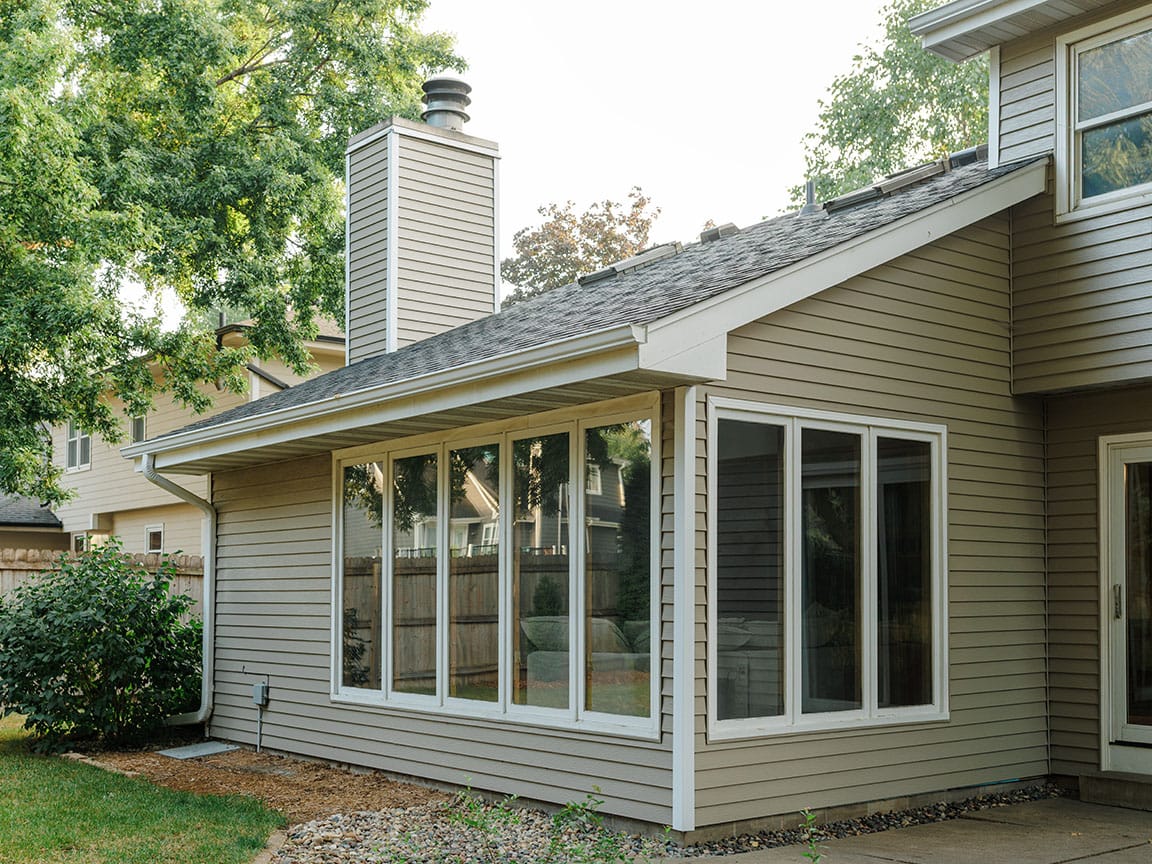
Material choice is one of the clearest drivers of replacement window cost. While overall pricing depends on many factors, the material used for the window frame directly influences upfront cost, durability, maintenance expectations and long-term value.
A material-by-material breakdown explains one part of window pricing. A broader overview of 2026 replacement window costs, including labor and installation factors, is covered in the Replacement Window Cost Guide.
Average Replacement Window Cost by Material
The table below shows typical installed cost ranges per window at a national level. These ranges reflect material-driven differences only and are informed by common window sizes, configurations and historical project data. Actual costs vary based on home conditions, regional labor rates and customization choices.
| Material | Typical Installed Cost (Per Window) | Best For |
|---|---|---|
| Vinyl | $800-$1,600 | Homeowners prioritizing value and low maintenance. |
| Fiberglass | $1,100-$2,200 | Projects where long-term stability and strength are key considerations. |
| Wood | $1,100-$2,200+ | Homes where natural wood interiors and architectural detail are priorities. |
Even within a single material category, pricing can shift depending on window size, glass performance, hardware and finish selections. The sections below explain what drives cost differences for each material.
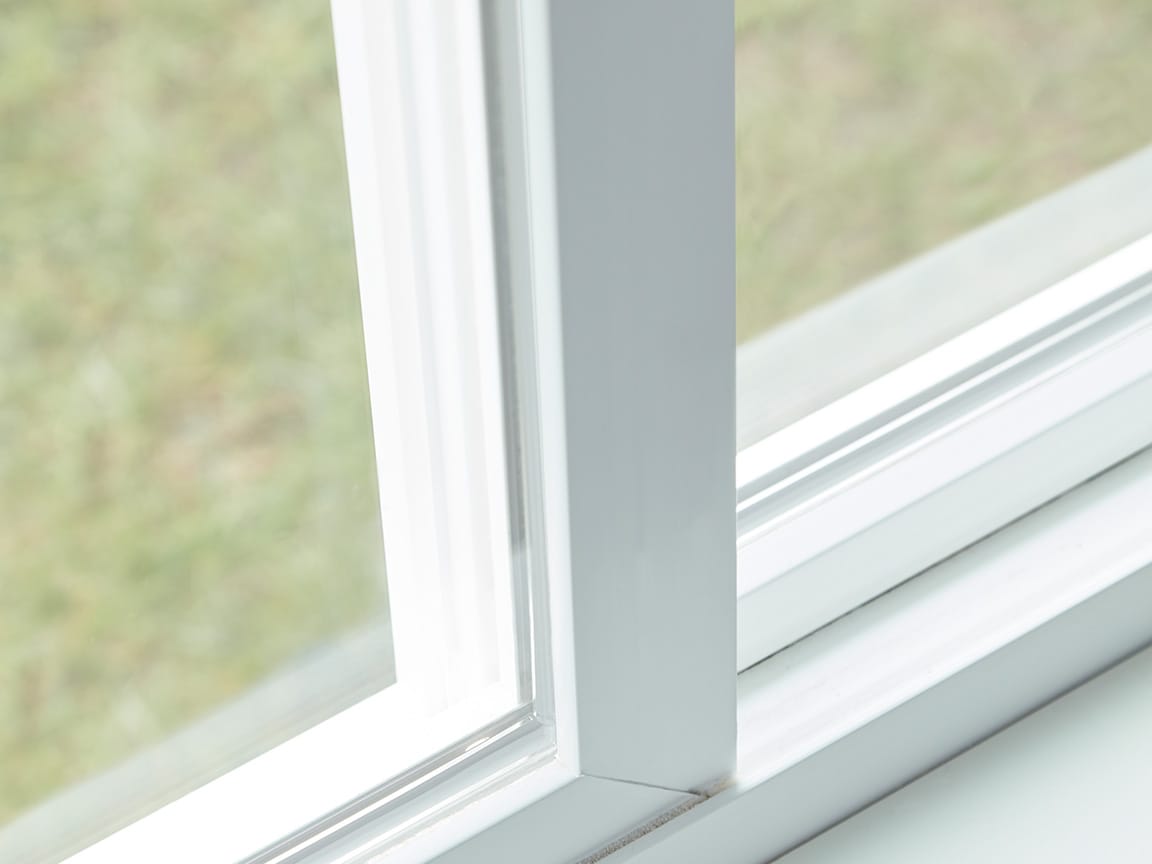
Vinyl Window Replacement Cost
Vinyl replacement windows typically sit at the lower end of the pricing spectrum, with most installed projects falling between $800 and $1,600 per window. Vinyl’s affordability is largely tied to the material itself. Vinyl frames are efficient to manufacture, require minimal finishing and offer built-in resistance to moisture, which helps keep maintenance needs relatively low over time. These characteristics make vinyl a common choice for homeowners prioritizing cost control and ease of ownership.
Vinyl window costs may increase when projects include:
- Larger or non-standard window openings
- Enhanced energy-efficient glass packages
- Specialty window styles or upgraded hardware
Because vinyl is available across a wide range of window sizes and configurations, it’s often evaluated as part of a broader discussion around energy-efficient window options and long-term operating costs.
Fiberglass Window Replacement Cost
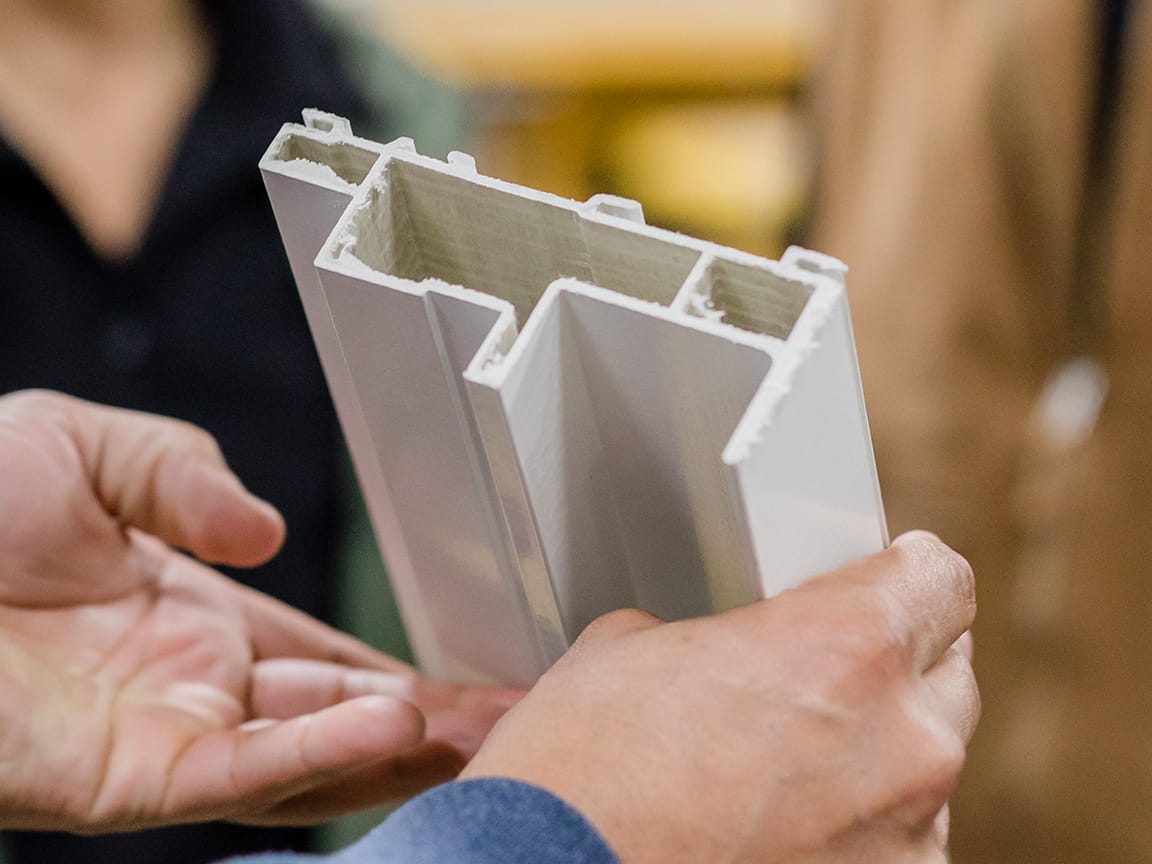
Fiberglass replacement windows generally fall into a mid-range pricing tier, with installed costs commonly ranging from $1,100 to $2,200 per window.
The added cost reflects fiberglass’s strength and stability. Fiberglass expands and contracts at a rate similar to glass, which can help maintain consistent performance in climates with temperature extremes. This dimensional stability contributes to long-term durability and can be an important consideration for homeowners weighing upfront cost against performance expectations.
Fiberglass pricing is influenced by:
- Frame profiles and structural requirements
- Glass performance and climate-specific upgrades
- Finish options and architectural styling
For homeowners comparing materials based on durability and longevity rather than lowest upfront price, fiberglass often enters the conversation as a balanced option between vinyl and wood.
Wood Window Replacement Cost
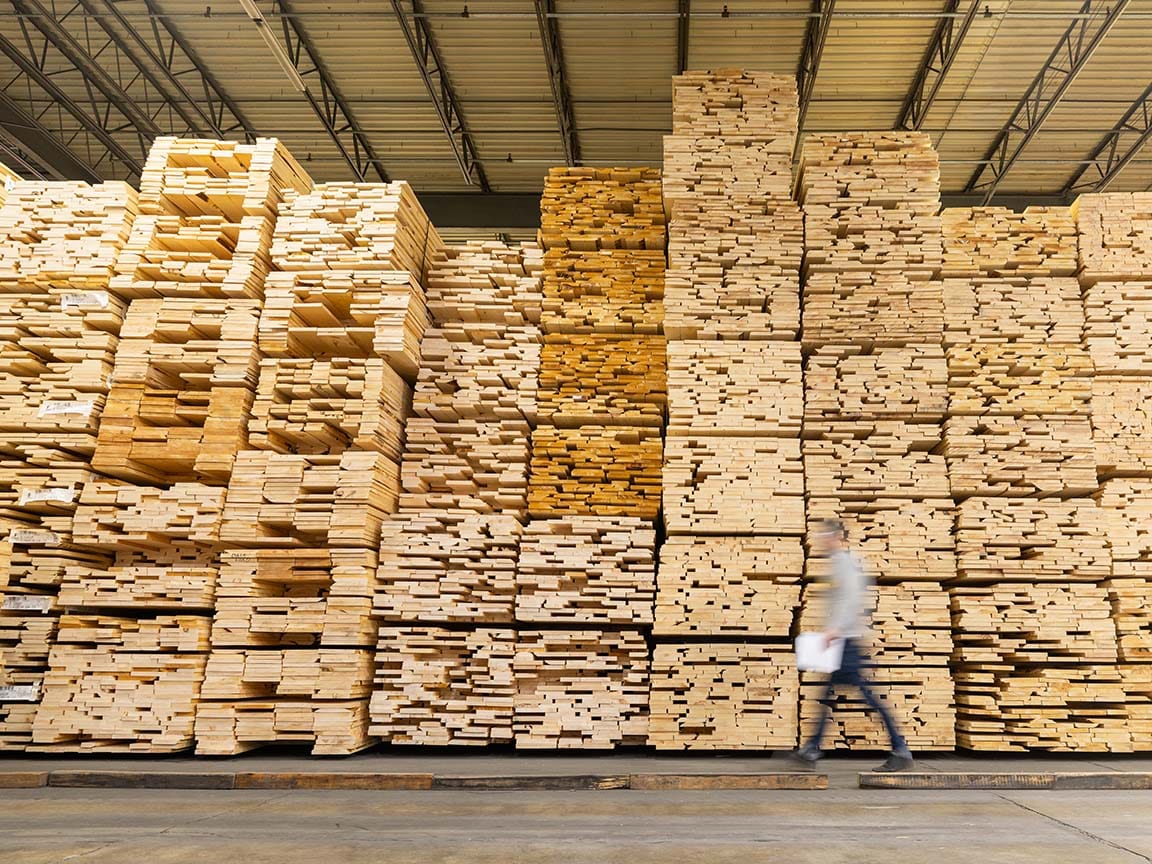
Wood replacement windows typically occupy the higher end of material pricing, with installed costs often ranging from $1,100 to $2,200+ or more per window.
Wood’s price reflects both the material itself and the level of customization it supports. Natural wood interiors allow for detailed profiles, custom finishes and architectural flexibility that other materials can’t replicate. As a result, wood windows are frequently chosen for design-driven projects or homes where appearance is a primary consideration.
Factors that can influence wood window pricing include:
- Custom sizing and unique window shapes
- Interior wood species and finish selections
- Exterior protection or cladding options
While wood windows may involve more long-term maintenance planning, many homeowners view the material as an investment in character, craftsmanship and design value rather than a purely cost-driven decision.
How Material Choice Impacts Total Replacement Cost
Material selection doesn’t just affect the price of individual windows — it can also influence broader project considerations.
Different materials may affect:
- Installation complexity at a high level
- Available glass and hardware configurations
- Long-term maintenance and ownership expectations
For example, materials that allow greater customization may influence how a project is scoped or phased, while materials with lower maintenance needs may affect long-term ownership costs. Homeowners often explore these connections when estimating the cost to replace windows in a house or learning beyond base pricing.
Choosing the Right Window Material for Your Budget
Rather than viewing materials as better or worse, it’s more helpful to think in terms of fit.
- Homeowners often choose vinyl when affordability and low maintenance are top priorities.
- Fiberglass is frequently considered by homeowners looking for added durability and long-term stability, especially in more demanding climates.
- Wood is often selected when architectural detail, interior finish options and design flexibility play a larger role in the decision.
In some cases, homeowners evaluate material decisions room by room rather than treating the entire home as a single material selection. Priorities may differ between highly visible spaces, such as front-facing rooms, and secondary areas, allowing for a more phased or strategic approach over time.
FAQs About Window Cost by Material
Why is wood more expensive than vinyl?
Wood typically involves higher material costs and greater customization, which increases manufacturing and finishing requirements compared to vinyl.
Is fiberglass worth the extra cost?
Fiberglass often appeals to homeowners seeking added durability and dimensional stability, particularly in climates with wide temperature swings. Whether it’s worth the cost depends on performance priorities and long-term expectations.
Which window material lasts the longest?
Longevity varies based on climate, installation quality and maintenance. Each material is designed to perform well when properly specified and cared for.
Does upgrading window material increase home value?
Window replacement projects can contribute positively to resale value, particularly when they improve energy efficiency, curb appeal and overall home condition. According to the Remodeling 2020 Cost vs. Value Report, new vinyl windows can return homeowners more than 73% of the project cost at resale.*
Beyond material selection alone, buyers often respond to the overall condition and performance of the windows. If a home’s windows appear near the end of their lifespan, it may influence perceived value during a sale. Upgrading window materials can play a role in strengthening that perception, especially when the improvement aligns with the home’s architecture and the expectations of buyers in your market.
Is vinyl always the cheapest window material?
Vinyl is often considered a value-focused option because it typically offers an accessible starting price point and low maintenance requirements. However, project costs can vary based on window size, style, glass packages and installation complexity.
Thinking about next steps?
Whether you’re exploring ideas or ready to talk details, we’re here to help. Schedule a consultation—or sign up for inspiration and real-home insights from Pella.