Transom Windows to Transform Your Space
Offering extra natural light and design interest, transom windows are an easy way to make a big impact.

KEY TAKEAWAYS
- Transom windows are glass sections installed above doors or windows. They are generally fixed, though some can be designed to open for ventilation, and they draw the eye upward for a grand, brightening effect.
- Commonly found above front doors and paired with sidelights, transom windows can also be used above windows, patio doors and interior doors, or in bathrooms, sunrooms and garages, to increase natural light without compromising privacy.
- Transom windows can be customized in shape, glass type, grilles, color and frame material to suit various styles, from traditional arched designs to contemporary rectangular ones, and can often be replaced when they become damaged or outdated.
It’s time to talk transom windows. What are they and why should you consider adding them to your home? We’ll also discuss different types of transom windows, how you can use them intentionally to further the style of your space and what to consider when it’s time for a replacement.
What is a Transom Window?
A transom window is a section of glass installed above a door or window. Transom windows are typically fixed, meaning they don’t open. Some transom windows can be designed to open for ventilation, though operable transoms are less common in homes today. You may also hear transom windows called transom lights. A fanlight is a type of transom window that is typically arched or semi-circular, often seen above traditional front doors.
Transom windows get their name simply from their placement above the transom, a horizontal beam that separates the top of a door or window from the rest of the wall. From a design standpoint, transom windows bring extra natural light and visual interest to a space. With their placement above doors or windows, transoms offer additional height and naturally draw your eye upwards. This creates a grandiose effect that can brighten rooms and entryways across all areas of a home.
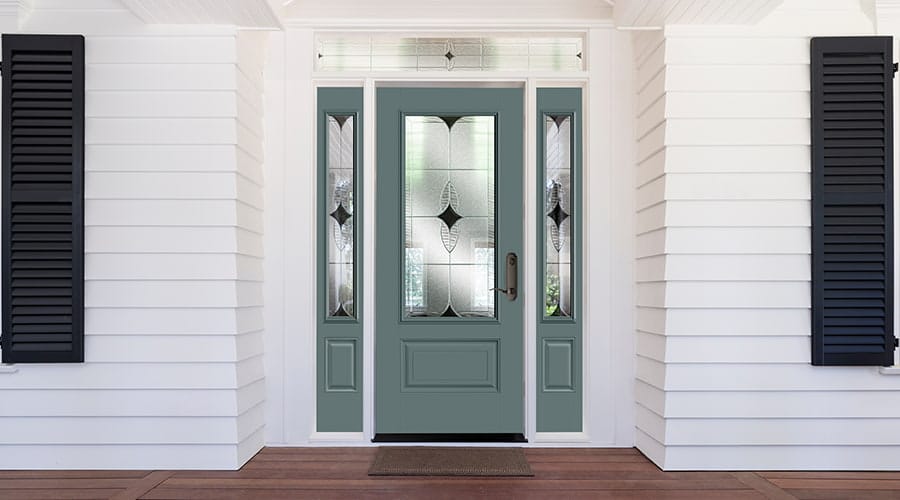
Front Door Transoms for Brighter Entryways
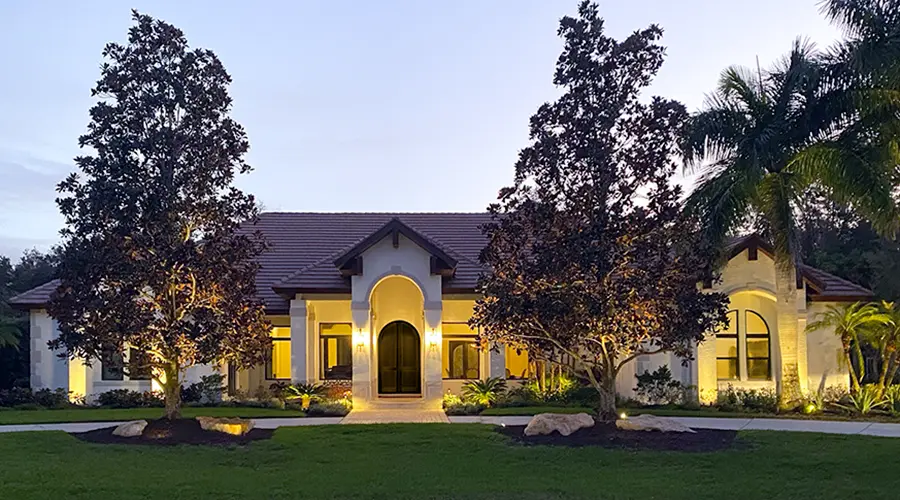
One of the most popular places to find transom windows is above a front door. Entryways set the tone for the rest of a home and are essential to creating welcoming spaces. Natural light can go a long way in making your entry feel warm and inviting. In addition to the natural light they offer, transom windows help enhance curb appeal.
Transom windows above a front door are commonly paired with sidelights, tall and narrow fixed windows on the sides of the door. Transoms are often installed alongside other complementary features, such as decorative glass and double entry doors, to create a larger, more visually prominent entrance. Working together as cohesive parts of a front door, a transom window and sidelights frame the entryway and make it larger. If privacy is a concern, consider a solid front entry door with no glass elements and a transom window above. Obscure glass is another option if you wish for more natural light in your entryway while maintaining privacy.
While transoms, sidelights and entry doors are frequently designed together in new construction, they don’t have to be. Depending on the existing opening and structure, homeowners may also be able to add or replace a transom window as part of a front door replacement.
Additional Uses for Transom Windows
Transom windows aren’t limited to front entries. Their elevated placement makes them a versatile way to improve natural light, aesthetics and functionality in many other areas of the home.
Interior Doors
Transom windows above interior doorways can help distribute natural light between rooms. For example, a transom above a bedroom or home office door can carry daylight into a hallway that has no windows of its own. Because the door below can still be closed, each space maintains its separation while sharing light.
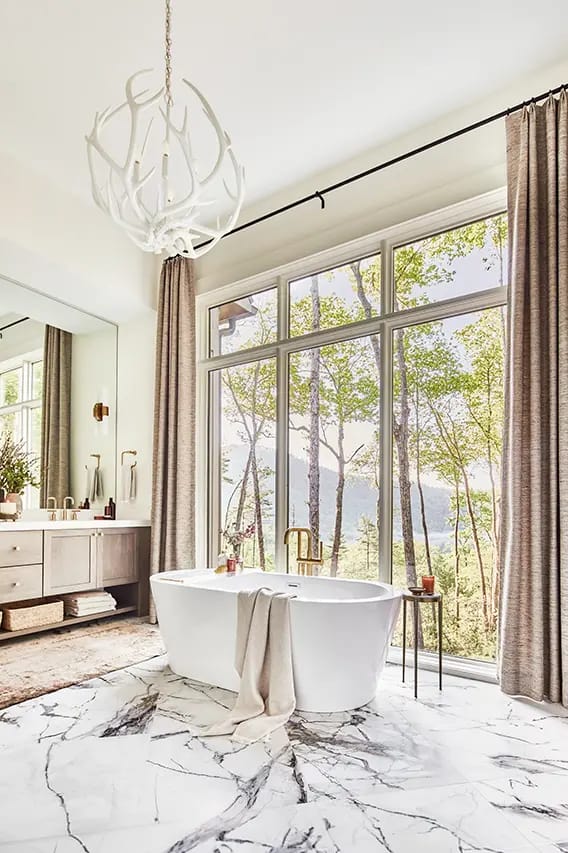
Bathrooms
Sunrooms
Garages
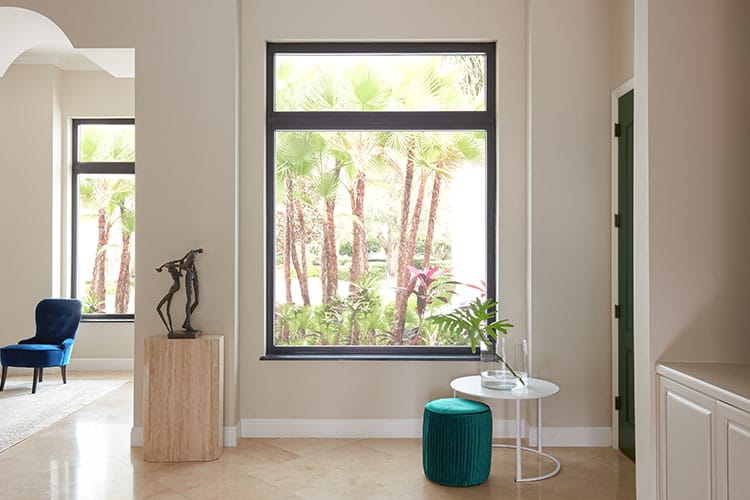
Window Transoms Heighten Your Design
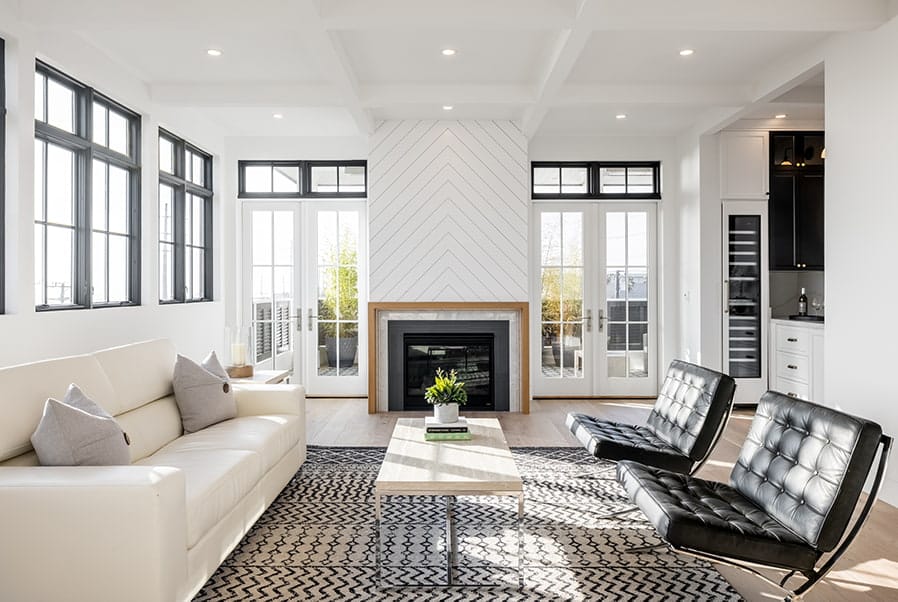
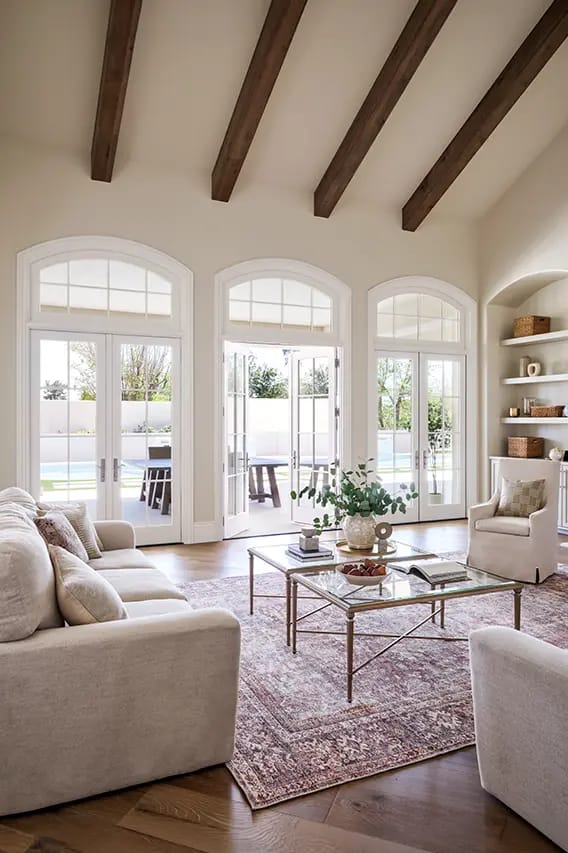
While transom windows are especially common above front doors, they don’t need to be limited to entryways only. With all the benefits transom windows offer, consider placing transoms above windows as well. Window transoms extend the height of an opening, elevating the visual weight of your space. It begs the question though: why not just select a larger window in the first place instead of adding a transom above a smaller window? Many homeowners prefer to add a transom when the top portion of the window opening is out of reach. Because window transoms are typically fixed, they let natural light in from higher parts of the wall without needing to be reached for operation. This solution leaves space lower on the wall for windows that do open and close.
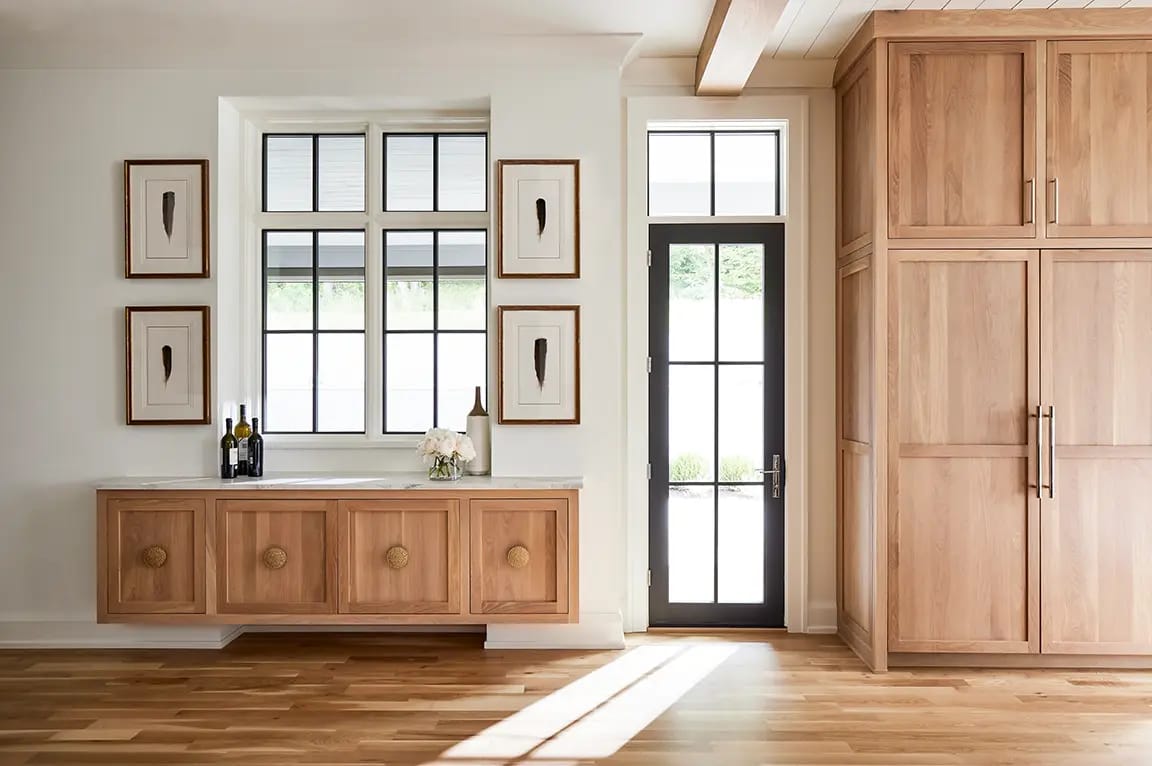
Extending Patio Doors and French Doors with Transoms
Transom Styles to Further Your Aesthetic
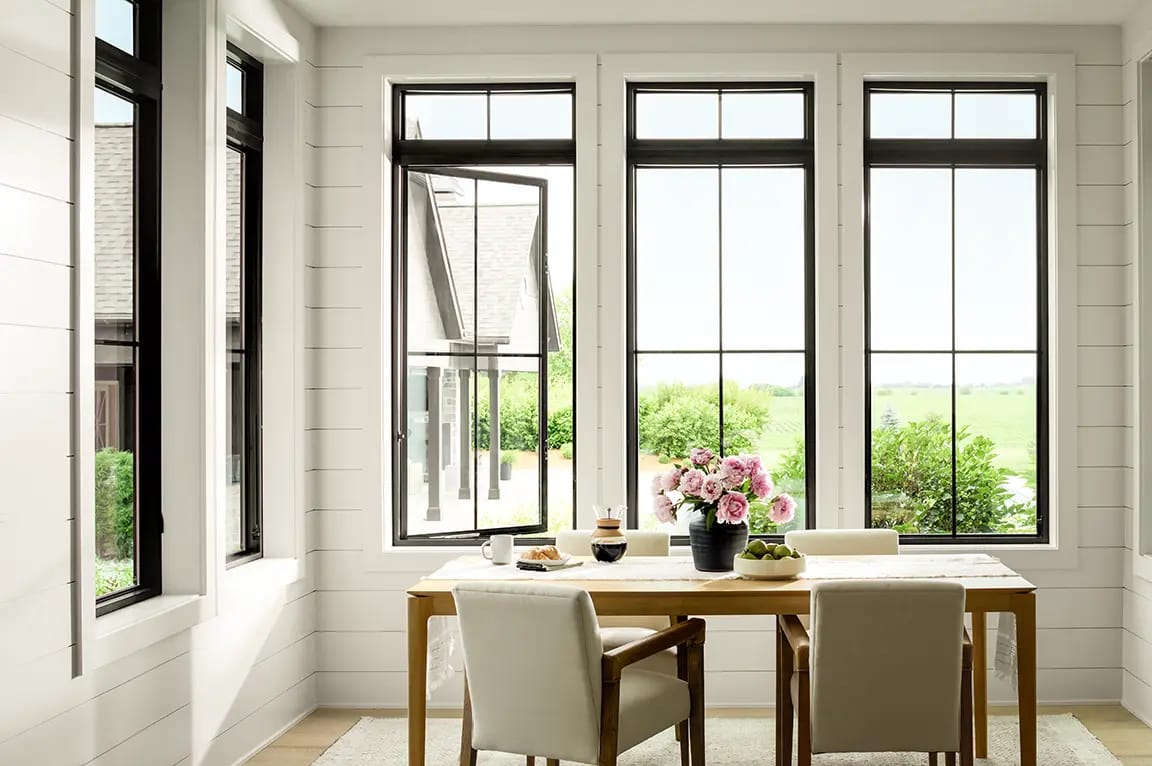
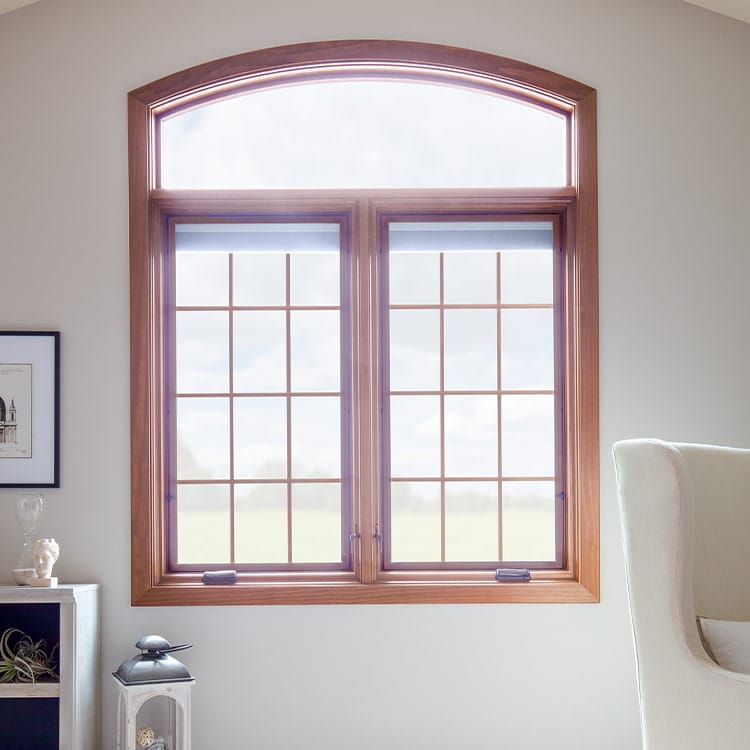
Once you decide where you want to place transom windows, think about the style you want them to evoke. The features and options of a transom window, such as shape, glass, grilles, color and frame material, can be used to personalize your look and further the specific design of your home. Like other windows, transoms are available in frame materials such as wood, vinyl and fiberglass. Choosing a material that matches the door or window below helps the full opening look cohesive.
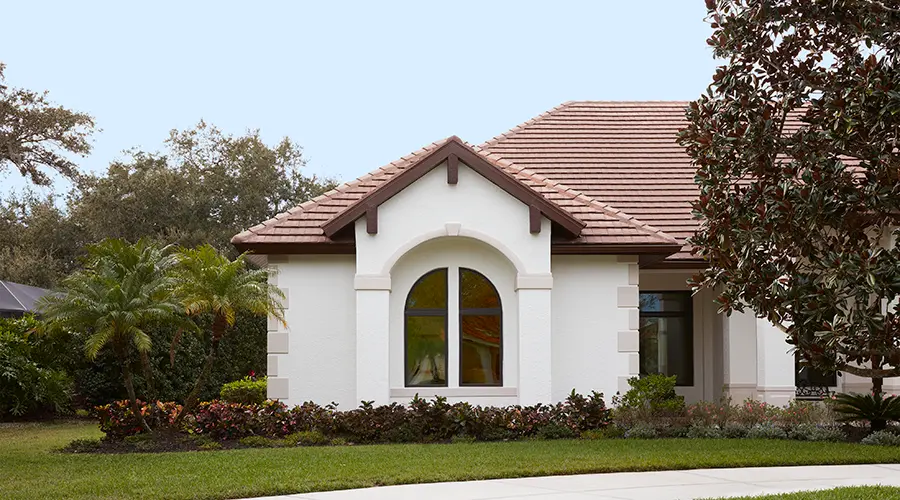
Rectangular Versus Arched Transom Windows
Other Ways to Customize Your Transoms
Replacing a Transom Window
Like any window, a transom window can wear out over time. Transom windows can often be replaced when they become damaged, inefficient or no longer match your home’s appearance. Common signs that a window needs to be replaced include:
- Condensation or Fogging Between Panes: Moisture trapped between the glass usually means the seal has failed. Learn more about what causes window condensation.
- Broken or Cracked Glass: Damaged glass can affect both the appearance and performance of the window.
- Air Drafts: Feeling air movement around a closed transom may indicate worn seals or gaps around the frame.
- Water Leaks or Moisture Intrusion: Water stains or moisture around the opening can point to a failing window or installation.
- Frame Damage or Rot: Visible deterioration, softness or rot around the frame is a sign the window may need to be replaced.
If you’re replacing an entry door or window assembly, you may choose to replace the transom at the same time for a more cohesive appearance, though this isn’t always necessary. A replacement is also an opportunity to update the transom’s size, shape, grille pattern, glass type or frame finish to better match your home’s current style and performance needs.
In some cases, a transom window may only need glass replacement or repairs. More extensive damage may require replacement of the full transom assembly. Proper installation is important for weather resistance, energy efficiency and long-term performance, so working with a window and door professional can help you determine the best replacement approach and ensure the job is done right.
If you’re ready to use transom windows to elevate the look and feel of your space, reach out to a local Pella expert who can help.
Frequently Asked Questions
Why is it called a transom window?
Transom windows are named after the transom, a horizontal structural beam that separates the window from the door or window below it.
What is the average cost of a transom window?
What are the benefits of transom windows?
What are the disadvantages of transom windows?
Are transom windows in style?
Are transom windows energy efficient?
Can a transom window open?
Can you add a transom window above an existing door?
Thinking about next steps?
Whether you’re exploring ideas or ready to talk details, we’re here to help. Schedule a consultation—or sign up for inspiration and real-home insights from Pella.