Large Glass Wall Systems Shape the Jack Daniel’s Tasting Rooms in Lynchburg
A commercial hospitality project combining large-format clad wood openings, bifold coordination and field-tested hardware solutions.

Project Details
Project Type:
Commercial New Construction
Building Type:
Hospitality
Location:
Lynchburg, TN
Products Used:
At the Jack Daniel’s tasting rooms in Lynchburg, the design intent centered on openness, flexibility and uninterrupted visitor views. The architectural team envisioned expansive glass wall systems that could frame the surrounding grounds while allowing the tasting spaces to feel bright, open and connected to the outdoor campus.
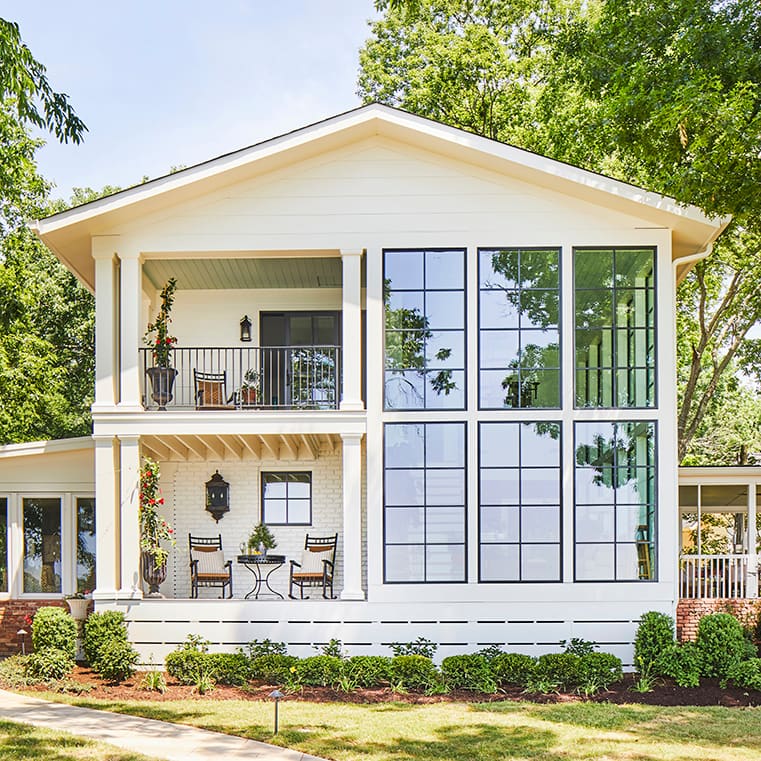
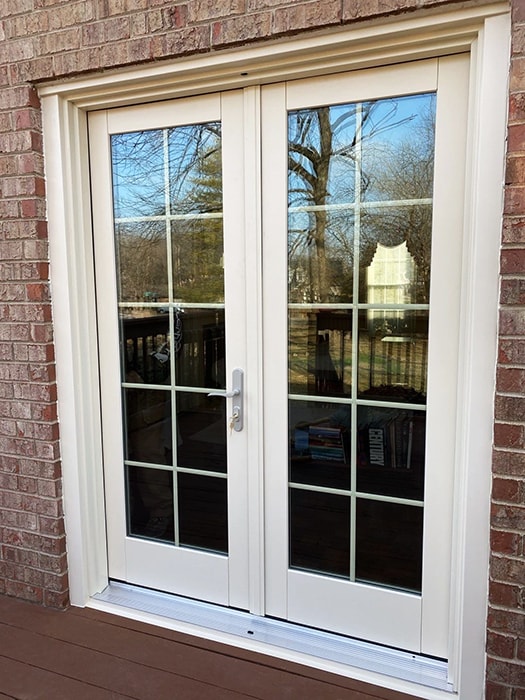
To support that concept, the final package used large-format Pella Reserve Contemporary picture windows paired with Reserve Traditional hinged patio doors, all finished in a consistent clad wood design language. The result is a series of expansive openings that preserve clean sightlines, support visitor circulation and maintain the architectural rhythm of the tasting room elevations.
Across the tasting spaces, the multi-panel window and door assemblies span wide openings using reinforced mullion conditions and steel-backed structural support engineered for the larger glass expanses. This allowed the team to maintain narrow sightlines and consistent proportions while still supporting the performance demands of a commercial hospitality environment.
Field-Mulled Glass Wall Systems Preserved the Architectural Vision
One of the most technically significant parts of this project was translating the architect’s glass wall concept into repeatable large-format assemblies that could perform in a commercial hospitality setting.
The solution centered on field-mulled banks of Reserve Contemporary units integrated around commercial hinged access doors, allowing the team to preserve the desired wall-to-glass ratio and maintain a consistent vertical mullion rhythm across each tasting room.
For architects and commercial contractors, this kind of coordination matters because the visual consistency of large-format systems depends on exact alignment of mullion depths, frame proportions and reinforcement requirements before fabrication begins. In this project, the result was a glass wall solution that maintained the original design intent while supporting the functional needs of a high-traffic visitor environment.
Heavy-Duty Hardware Upgrades Resolved Wind Exposure Challenges
Given the extreme wind events this area experiences, it was important that all parties aligned on a solution that supported the original design intent while prioritizing long-term weather performance. The team worked closely with the general contractor, architect and Jack Daniel’s stakeholders to evaluate site conditions and coordinate a hardware upgrade that better matched the exposure demands of the tasting room access doors.
The final solution included heavy-duty commercial closers engineered to manage sustained wind pressure more effectively, helping the doors continue to perform reliably during daily visitor use. Just as importantly, the coordination between the branch, manufacturer partners and service teams reflects the level of white-glove support required on hospitality projects where performance, guest experience and architectural continuity all need to remain intact long after installation.
Large-Format Performance Ratings Supported Hospitality Use
Beyond the visual impact, the glass wall systems were engineered for long-term commercial performance. The Reserve Contemporary fixed frames were specified with Advanced Low-E insulating glass, argon fill and AW 60 performance ratings, supporting thermal stability and structural performance across the oversized openings.
The use of low-profile sill conditions at the hinged door openings also supported smoother guest movement between interior tasting rooms and adjacent exterior gathering spaces—an important detail in a hospitality setting where circulation and accessibility directly affect the visitor experience.
Combined with reinforced mullion conditions and carefully documented clip spacing requirements in the approved shop drawings, the assemblies demonstrate how large-format clad wood systems can meet both design and performance expectations in commercial hospitality work.
A Hospitality Project That Preserved Both Design and Relationships
Today, the tasting rooms continue to host visitors in a space defined by openness, natural light and flexible transitions between interior and exterior experiences. Just as importantly, the project reinforced long-term working relationships with both the architect and general contractor—key partners in the Middle Tennessee commercial market.
For architects, contractors and hospitality developers, this Lynchburg project shows how large glass wall systems succeed when specification support, field troubleshooting and long-term service are treated as part of the project lifecycle.