6 Ways Energy-Efficient Windows Help Phoenix Homeowners Handle Early Summer Heat*
Phoenix hits 95°F highs by May. See how block ranches, stucco homes, and view properties each need a different window strategy to keep up.

Key Takeaways
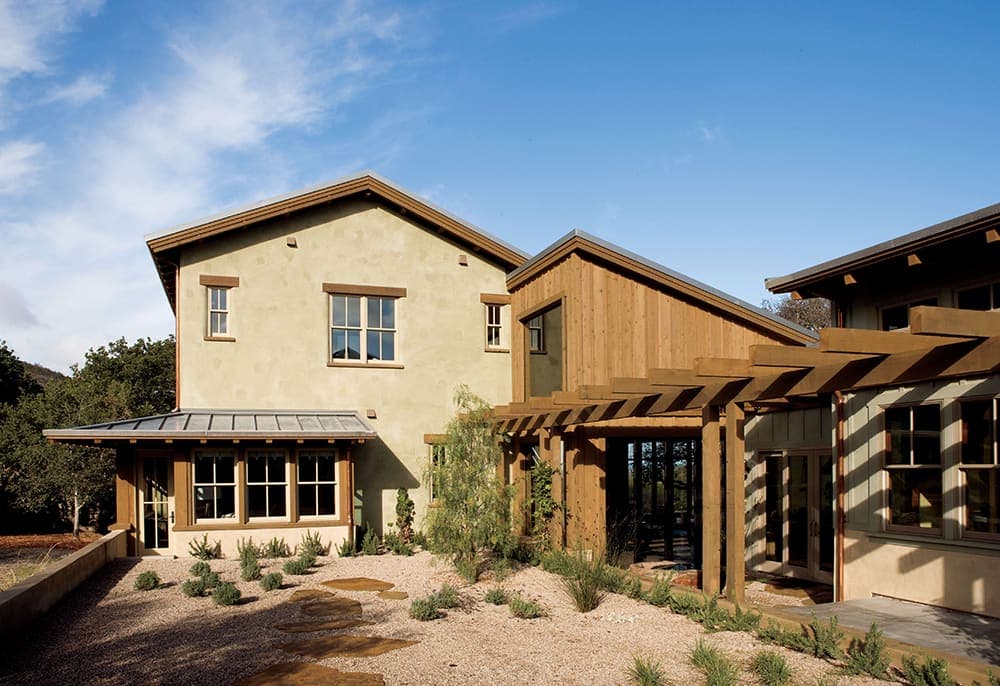
- Phoenix homes face intense heat conditions well before official summer begins, with average highs near 95°F in May and 104°F in June, making window performance a spring priority, not just a summer one.
- Not every window faces the same challenge. A shaded north-facing window has very different needs than an exposed west-facing patio door, so evaluating direction, glass area, and shade separately produces better results than a single house-wide fix.
- Heat absorbed by pavement, roofs, and masonry during the day continues radiating after sunset, so limiting daytime solar gain also affects how comfortable a home feels well into the evening.
Phoenix windows face serious summer conditions before summer officially begins. At Phoenix Sky Harbor, the 1991–2020 climate normals show an average May high near 95°F, followed by an average June high near 104°F, so an underperforming opening can become noticeable quickly as spring ends. Energy-efficient windows help control indoor temperatures by limiting solar heat gain, slowing heat movement and reducing unwanted hot air around the opening. The best results come from matching the glass, the frame and installation to the direction each window faces and the way the room is used.
1. They Limit Heat from Phoenix’s Early Arrival of Summer
By May, Phoenix homes are already operating under conditions that many cities do not experience until the middle of summer. Low-E glass can reflect a portion of the sun’s heat instead of allowing it to move freely into the room, helping the interior temperature remain more consistent. This is particularly important in newer stucco homes around Desert View, where limited mature shade can leave some elevations exposed for much of the day. Energy-efficient windows begin working against that heat as soon as temperatures rise, not only during the hottest weeks of July.
2. They Reduce Solar Heat Through West-Facing Glass
Why does a west-facing room become so much hotter late in the day? West-facing windows receive direct sunlight during the hottest part of a Phoenix afternoon. In a postwar Maryvale ranch home, that exposure may reach a broad living-room window or horizontal bedroom slider just as the outdoor temperature approaches its daily peak. The Solar Heat Gain Coefficient, or SHGC, indicates how much solar heat passes through a window, with a lower number indicating less heat is able to enter. Comparing SHGC ratings is more useful than assuming that any dual-pane window will provide the temperature control a western exposure needs.
3. They Slow Heat Movement Through Large Glass Openings
Solar control is only part of the job. Heat can also move through a window because of the significant temperature difference between the Phoenix exterior and the cooled interior. Insulating glass creates separation between those conditions, helping slow the movement of heat through large picture windows and sliding patio doors. That can make a practical difference in a Camelback East home where a glass-heavy family room connects to a courtyard or backyard.
4. They Address the Weak Point in Some Block Ranch Homes
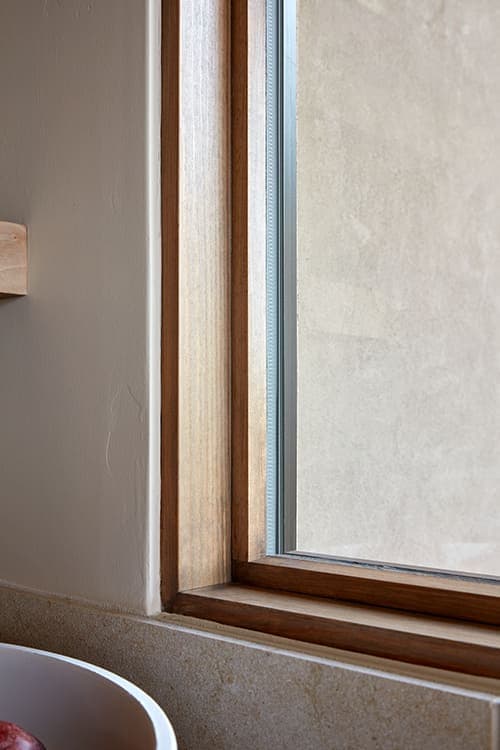
Concrete-block walls can feel substantial, but the room may still struggle if its windows have aging aluminum frames or glass with limited solar control. This situation is relevant to some postwar ranch homes in Alhambra, an area that experienced considerable residential growth during the late 1940s and early 1950s. Replacing the complete window allows the frame, the glass and weather stripping to be considered together. The goal is not to label every block home as inefficient, but to correct an opening that may be working against the rest of the wall.
5. They Support More Consistent Temperatures After Sunset
Why does a Phoenix bedroom still feel warm after the sun goes down? Pavement, roofs and masonry absorb heat during the day and release it gradually at night, contributing to limited overnight cooling in developed areas. That pattern can be especially noticeable in a west-facing bedroom that has absorbed heat throughout the afternoon. By limiting daytime solar gain and slowing heat movement through the opening, energy-efficient windows can help the room remain more comfortable when it is used at bedtime.
6. They Allow Each Phoenix Room to Be Treated Differently
A shaded north-facing window does not face the same conditions as an exposed west-facing patio door. A central Phoenix ranch property with mature trees may have substantial shade on one elevation while another remains open to intense afternoon sun. Similarly, a view-oriented Ahwatukee Foothills home may need temperature control without reducing the size of a window overlooking South Mountain. Evaluating direction, glass area, frame material, exterior shade and room use leads to a stronger recommendation than placing the same window configuration throughout the house.
Why Pella Is the Right Choice for Phoenix Homes
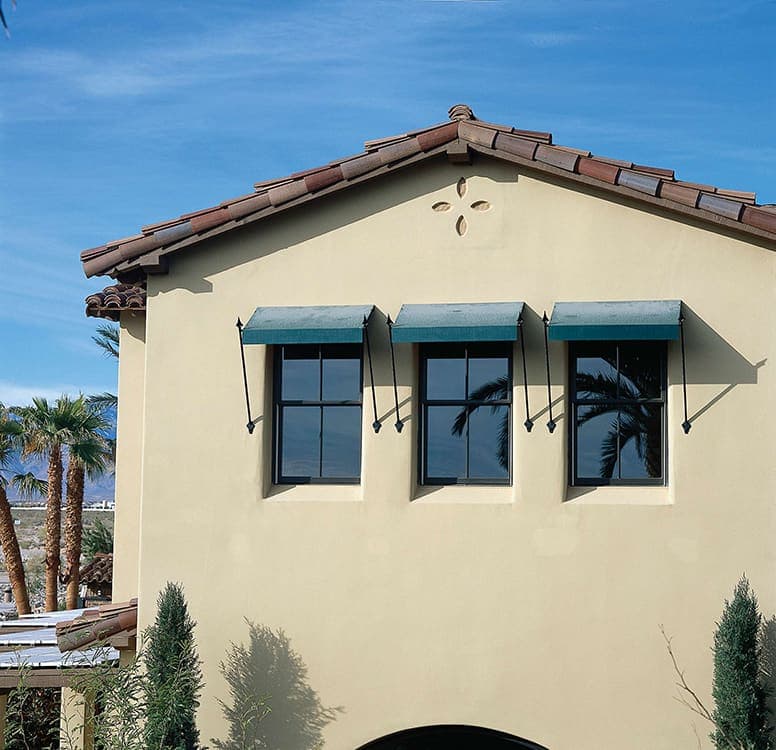
Pella is the right choice for Phoenix homes because its windows can be specified as complete openings rather than selected based on pane count alone. Pella offers insulating Low-E glass choices designed to help manage solar heat and heat transfer, along with wood, fiberglass and vinyl window lines for different architectural and performance needs. Measurable ratings, such as SHGC and U-factor, help the local team compare how available configurations handle solar gain and insulation instead of relying on broad energy-efficiency language. For a Maryvale block ranch, an Alhambra postwar home or a newer Desert View stucco property, that ability to match the glass, the frame and operating style to the opening may make Pella a practical option for many homeowners.
Ready to Go into Summer Knowing the Windows Can Keep Up?
If a Phoenix homeowner is not certain their windows are performing at the level this city demands, the right first step is a professional in-home assessment. The local Pella Phoenix team offers a free in-home consultation to evaluate the existing windows, identify the most exposed rooms and discuss appropriate glass, frame and operating options, with no obligation and no sales pressure. The consultation can also include measurements, installation guidance and a project quote. Schedule a free in-home consultation today and enter the next stretch of Phoenix heat with windows selected for the home’s actual orientation, construction and daily use.
*Performance varies based on product selection, installation, home design, and climate conditions.