Pass-Through Windows Create Entertaining Spaces for Your Home
Create the perfect indoor-outdoor entertaining space with pass through windows.

KEY TAKEAWAYS
- Pass through windows connect indoor and outdoor spaces, making them ideal for entertaining and expanding living areas.
- Popular styles include sliding, multi-slide, and bifold windows, each offering unique design and installation options for different budgets and project scopes.
- These windows are commonly used in kitchens and bar areas, allowing easy transfer of food and drinks between indoor and outdoor entertaining spaces.
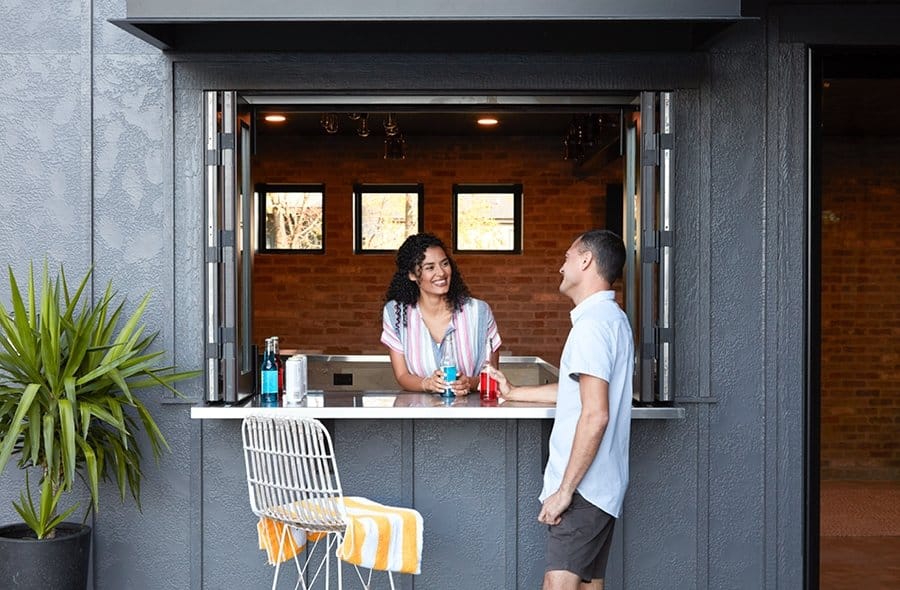
A pass-through window, sometimes called a servery window, is a window design that creates a convenient connection between indoor and outdoor living spaces. By opening wide, it makes it easier to pass food, drinks and other items between areas while helping improve airflow and create a more open, connected feel. Whether you’re entertaining guests or looking to enhance everyday functionality, a pass-through window can help expand how you use your space.
What is a Pass-Through Window?
A pass-through window is a window designed to create a seamless connection between indoor and outdoor spaces. Unlike a traditional window, which is mainly meant to let in light and air, a pass-through window features large operable panels that slide, fold or swing open to create a wide opening. That larger opening makes it easier to move items between areas, whether you’re serving dinner on the patio or handing drinks out to the pool, while creating a more open, connected feel. Pass-through windows can be incorporated into new construction homes or added during a replacement project, depending on the home’s layout and design. In a replacement project, it is common to consider the placement of the window in your wall, along with interior and exterior access.
Where Do You Use Pass-Through Windows?
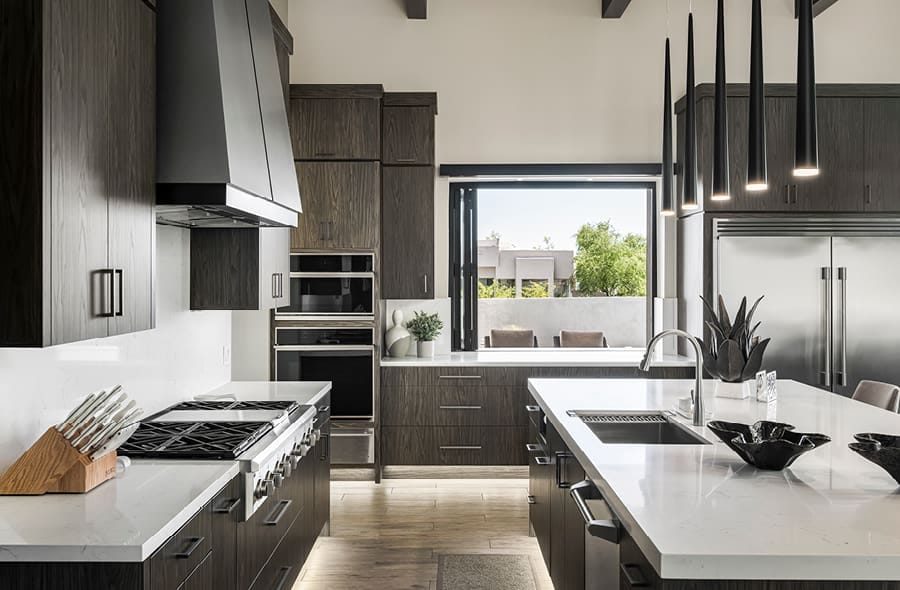
A pass-through window can be used in a variety of rooms throughout your home that open to an outdoor space, but there are a few places that are common. The most common place to see these windows is in a kitchen above a countertop. They can open to an entertainment space outdoors, such as a pool bar or patio, so you can easily pass food and drinks while hosting friends and family. They’re also common in a basement bar area that opens to a walk-out patio. Some products have sill types that enable you to create an option that recesses into the countertop for a seamless look. With a range of sizes and configurations available, pass-through windows can also provide convenient access to outdoor spaces in areas where a patio or exterior door may not be practical.
Popular Pass-Through Window Styles
A variety of window styles can be used to create a pass-through window, each offering a different combination of functionality, aesthetics and indoor-outdoor connectivity. Some styles create a wider opening for entertaining, while others prioritize ventilation, views or ease of operation. The right choice will depend on your space, the look and feel you want to achieve and how you plan to use the window. Below are some of the most popular window styles used for pass-through window designs, many of which are also popular types of kitchen windows.
Sliding Pass-Through Windows
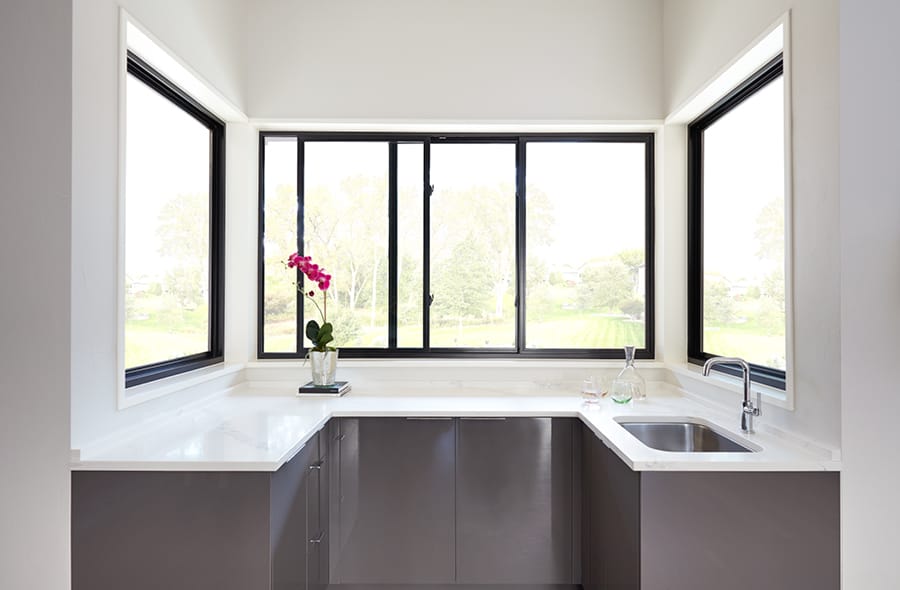
The most affordable pass-through window option, sliding windows glide open horizontally from one side to the other. Sliding on a track, they require no extra space to operate, so they work well over countertops, in tighter spaces or anywhere an outward-swinging sash would get in the way. Sliding windows are one of the most popular window styles to create a pass-through design, making them a great fit for homeowners who want an economical way to get their desired design and aesthetic. Sliding windows for a pass-through design are available in fiberglass or vinyl, simply remove the screen to allow for easy access to your indoor and outdoor space.
Multi-Slide Pass-Through Windows
Multi-slide pass-through windows feature three or more glass panels that slide open and stack against one another or tuck into a wall pocket. Similar to the operation of a multi-slide patio door, these windows create a wide opening that helps strengthen the connection between indoor and outdoor spaces. Available in expansive sizes, multi-slide pass-through windows can span much of a countertop or serving area and may be configured with pocketing panels that disappear into the wall for a clean, unobstructed opening.
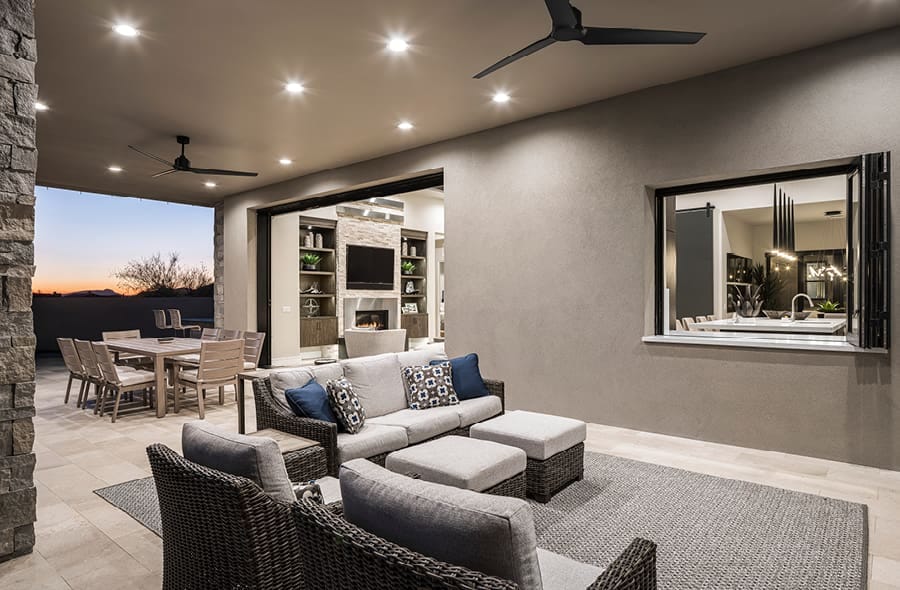
Bifold Pass-Through Windows
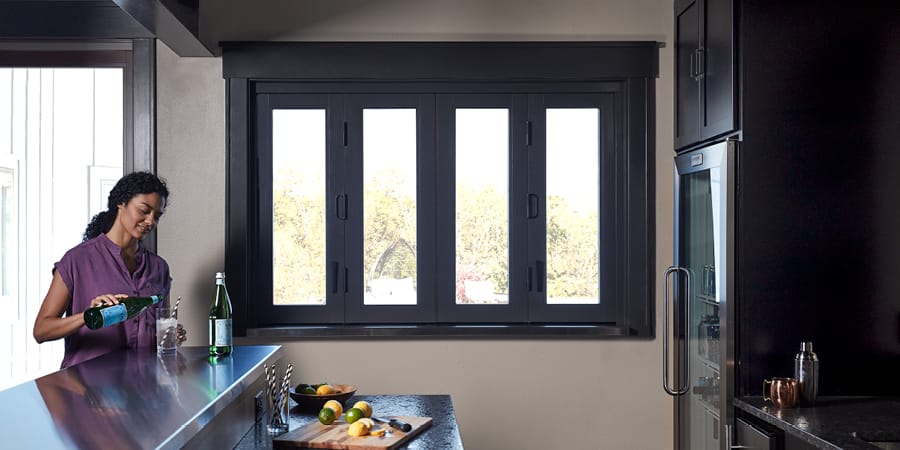
Bifold pass-through windows feature large glass panels that fold and stack to one or both sides in an accordion-style configuration. Similar to the operation of a bifold patio door, these windows can create a wide opening that helps connect indoor and outdoor spaces. Available in expansive sizes, bifold pass-through windows can span much of a countertop or serving area while maintaining a clean, contemporary appearance. When open, the panels stack neatly to the side, maximizing the available opening and creating a seamless transition between spaces.
Push Out Casement Pass-Through Window
Push-out casement pass-through windows feature hinged sashes that swing outward with a simple push, with no crank to turn. This design can create a wide opening while minimizing obstructions, making it easy to pass items between indoor and outdoor spaces. With their clean appearance, straightforward operation and classic aesthetic, push-out casement windows can be an attractive option for creating a pass-through window that blends seamlessly with the home’s design.
Strut Awning Pass-Through Window
Strut awning pass-through windows are hinged at the top and swing out from the bottom with a gentle push. Once open, gas struts hold the sash up like a canopy over the opening, creating a wide, unobstructed space for serving that also offers some cover from sun and light rain. You may also hear these called gas strut windows. The terms describe the same window style: “gas strut” refers to the pressurized hardware that lifts and supports the sash, while “strut awning” describes the awning-style window it supports. Closing the window is simple, and some configurations offer sill options that let countertops flow smoothly from inside to outside.
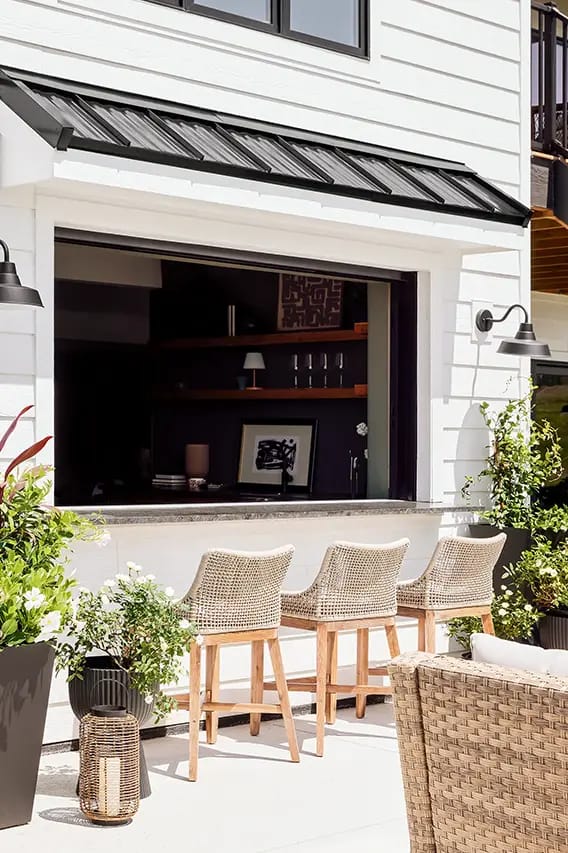
Benefits of Pass-Through Windows
Pass-through windows can help improve the functionality of your home while creating a stronger connection between indoor and outdoor spaces. Key benefits include:
- Seamless Indoor-Outdoor Living: Create a more open feel by connecting interior and exterior spaces while allowing natural light and fresh air to flow between them.
- Easier Entertaining: Conveniently pass food, drinks and other items between spaces without repeatedly walking through a door.
- Improved Traffic Flow: Help reduce congestion around entryways and create a more efficient serving area during gatherings.
- Fits Where a Door Can’t: Provide convenient outdoor access in areas where a patio or exterior door may not be practical.
- Flexible Design Options: Choose from a variety of window styles, materials, colors and sizes to complement your home’s architecture and project goals.
- Seamless Countertop Integration: Some configurations offer recessed or flush sill options that create a smooth transition between indoor and outdoor surfaces.
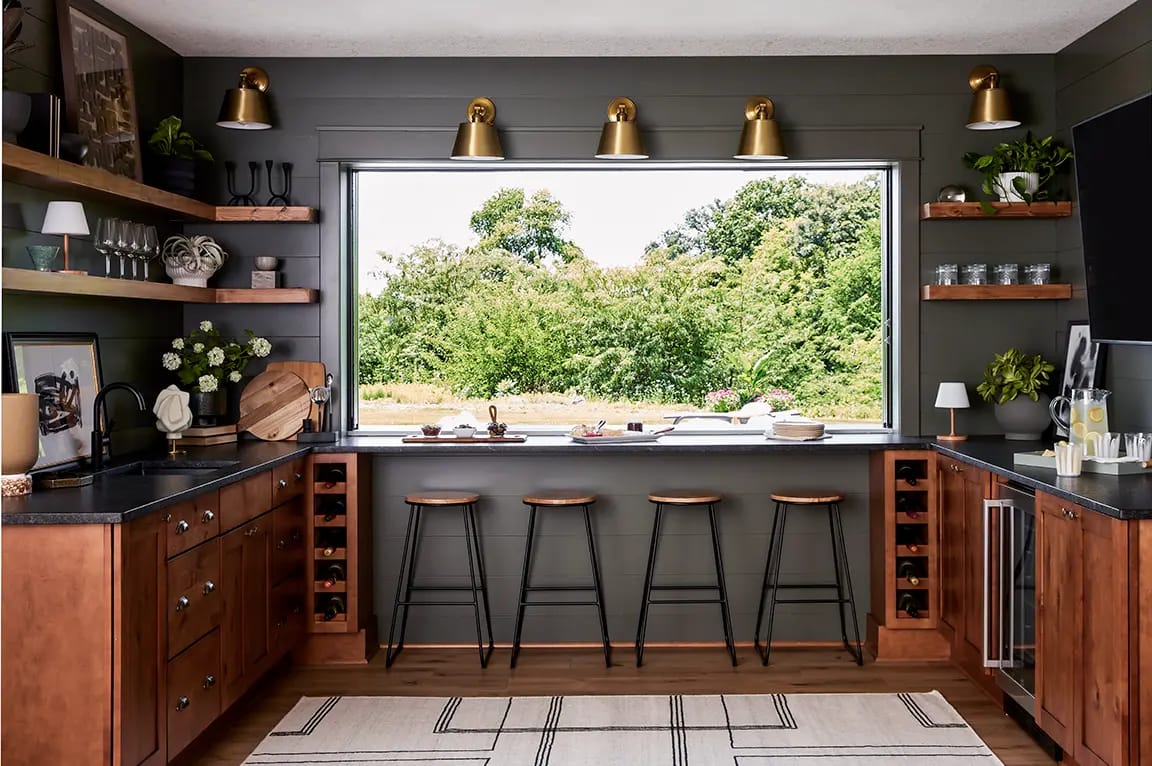
Considerations for Pass-Through Windows
While pass-through windows can offer several advantages, it’s important to consider potential tradeoffs before selecting a design.
- Weather Exposure: Depending on the window location and design, the opening may be exposed to rain, wind and other outdoor elements when in use. Covered outdoor spaces may help provide additional protection.
- Insect Control: If the window is frequently left open, insects and other pests may have easier access to indoor spaces. Homeowners may want to explore available screen options based on their needs.
- Wall Space Requirements: Larger pass-through windows can reduce available wall space for cabinets, shelving, artwork or other design features, making layout planning especially important.
- Budget Considerations: Costs can vary significantly based on window size, materials, operating style and installation complexity. Made of fiberglass or vinyl, sliding windows are the most budget-friendly option, while larger openings and more customized configurations may require a greater investment.
- Project Complexity: Some pass-through window designs may require more extensive structural modifications than a standard window replacement, particularly when creating larger openings or incorporating specialty configurations. For example, a pocketing application, where the window panels disappear into the wall, is typically only done in new construction or a large-scale renovation.
- Privacy and Noise: Large openings can increase the transfer of sound, cooking odors and activity between indoor and outdoor spaces when the window is open.
Thinking about next steps?
Whether you’re exploring ideas or ready to talk details, we’re here to help. Schedule a consultation—or sign up for inspiration and real-home insights from Pella.
Frequently Asked Questions
How much do pass-through windows cost?
The cost of a pass-through window can vary depending on factors such as the window style, size, material, glass package and installation requirements. Larger openings, specialty operating styles and projects that require structural modifications may increase overall costs. Because every home and project is unique, it’s best to work with a local window professional to determine the right solution and associated investment for your space.
Are pass-through windows dated?
No. Pass-through windows that connect a kitchen or bar to an outdoor entertaining space are a popular, modern feature. Whether a pass-through window feels dated depends mostly on where it’s located and how it’s designed.
What are some ideas for pass-through windows?
Popular ideas include a kitchen window that opens to a patio or outdoor dining area, a basement bar that serves a walk-out patio and a window that opens to a pool bar or outdoor kitchen. For more inspiration, explore our pass-through window ideas.
Can pass-through windows have screens?
Yes, pass-through windows can have screens, though the type of screen depends on the window style you choose. For example, sliding windows use screens that can be removed when you want an open serving area. Explore Pella’s window screen options to learn more.
Are pass-through windows energy efficient?
Yes, modern pass-through windows can be energy efficient when they are built with insulated frames, tight seals and advanced glass packages.
What climates are best for pass-through windows?
Pass-through windows can be used in a wide range of climates, but they are especially popular in regions with mild or warm weather where homeowners can frequently enjoy outdoor living spaces. In colder or more variable climates, selecting energy-efficient glass packages and weather-resistant construction can help support comfort and performance throughout the year. The best option for your home will depend on your local climate, how often you plan to use the window and the specific features and performance needs of your project.
Can you add a pass-through window to an existing home?
Yes, pass-through windows can often be added to existing homes as part of a replacement or remodeling project. Depending on the desired window size, style and location, installation may range from replacing an existing window to creating a new opening in an exterior wall. Factors such as the home’s layout, structural requirements and intended use of the space can influence the scope of the project. A window professional can help determine the best pass-through window solution for your home’s needs.


