Do I Need Hurricane Windows? A Decision Guide

ByPella Corporation
Updated 8/14/2026
7 min read
THE SHORT VERSION
Whether you need hurricane windows comes down to three things: where you live, what your local code requires and what you want the windows to do for you.
Most homeowners fall into one of three groups. Required: Your code mandates impact protection. Strongly recommended: You're coastal and exposed but not legally required. Not necessary: Hurricanes aren't a true risk where you live.
This guide helps you find your group, including when the answer is no. If you live inland, you typically don't need hurricane windows.
The Short Answer to 'Do I Need Hurricane Windows?'
It depends on three things: where you live, what your local building code requires and what you want hurricane windows to do for you. For most homeowners, the answer sorts into one of three buckets, and you can usually tell which one is yours in about 30 seconds.
Bucket 1: Required
Who: Homes in Miami-Dade and Broward County, Florida (the High-Velocity Hurricane Zone), most of coastal Florida within a mile of the coast (the Wind-Borne Debris Region), and parts of the 14 designated Texas catastrophe counties if you want windstorm insurance through TWIA.
Bottom line: You're legally required to have impact-rated windows or equivalent protection. Your decision isn't whether, but which products and which contractor.
Bucket 2: Strongly Recommended
Who: Most coastal counties along the Atlantic and Gulf coasts from Virginia through Texas that aren't in the HVHZ or Wind-Borne Debris Region, plus Hawaii.
Bottom line: Not legally required, but the risk exists and the decision depends on risk exposure, budget and personal priorities. This is a risk-management decision, and it's worth weighing carefully.
Bucket 3: Not Necessary
Who: Inland states from the Midwest through the Great Plains, the Mountain West, the desert Southwest and the inland Northeast. If a hurricane hasn't historically been a meaningful threat to your home, you're here.
Bottom line: You typically don't need hurricane windows. They're an expensive investment that doesn't address your home's actual risks. Other window features are likely worth prioritizing instead.
If you're still not sure which bucket applies to you, the five questions in the next section will narrow it down.
The Three Buckets at a Glance
| Required | HVHZ (Miami-Dade, Broward), Florida Wind-Borne Debris Region, designated Texas catastrophe counties. Code mandates impact protection. Decide which product and contractor, not whether. |
| Strongly recommended | Coastal Atlantic and Gulf counties from Virginia through Texas outside the mandated zones, plus Hawaii. Not required, but risk exposure may make impact protection worth considering. A risk-management decision. |
| Not necessary | Inland states: Midwest, Great Plains, Mountain West, desert Southwest, inland Northeast. No meaningful hurricane risk. Other window features matter more — impact windows don't address your actual risks. |
Five Questions That Determine Your Answer
1. Where do you live?
Geography is the biggest factor by far. Coastal counties along the Gulf and Atlantic have meaningful hurricane risk — inland states don't. If you're near the coast in a hurricane-prone state, you're likely in Bucket 1 or 2. If you're well inland, you're likely in Bucket 3.
2. What does your local building code require?
Some jurisdictions require impact-rated windows or an equivalent shutter system — many require neither. Your local building department is the authoritative source for your specific address, since local amendments can be stricter than the statewide code.
3. What is your insurance situation?
In some states, notably Florida and Texas, documented impact-rated windows or equivalent protection can qualify for insurance discounts and the math is sometimes meaningful. Our impact window insurance discounts guide explains how those savings work.
4. What are your priorities beyond storms?
Impact windows do more than resist hurricanes. They help block UV, reduce noise, resist forced entry and can contribute to energy efficiency. Some homeowners choose them for these reasons even when storms aren't the main concern.
5. What is your budget situation?
Impact windows are a significant investment. If your code doesn't require them and your budget is tight, a phased approach, protecting the most exposed openings first, is worth considering. Insurance eligibility requirements vary by insurer and location.
When Hurricane Windows Are Required
If you live in any of the areas below, your local code requires impact-rated windows or equivalent shutter protection. This isn't optional — it's the code.
The Florida High-Velocity Hurricane Zone (HVHZ), which covers Miami-Dade and Broward counties, has the strictest impact requirements in the country and products there must carry a Miami-Dade Notice of Acceptance. The Florida Wind-Borne Debris Region (WBDR), generally within a mile of the coast where the design wind speed is 130 mph or greater, or anywhere it reaches 140 mph or greater, covers most of coastal Florida outside the HVHZ. In Texas, the 14 designated catastrophe counties plus parts of Harris County require TDI-approved products and a WPI-8 certificate to keep windstorm insurance through TWIA. Portions of coastal North Carolina, South Carolina, Georgia, Alabama, Mississippi, Louisiana and Virginia also carry Wind-Borne Debris Region requirements under their state-adopted codes, with the specifics varying by county and design wind speed.
If you're in one of these areas, your decision isn't whether but which products and which contractor.
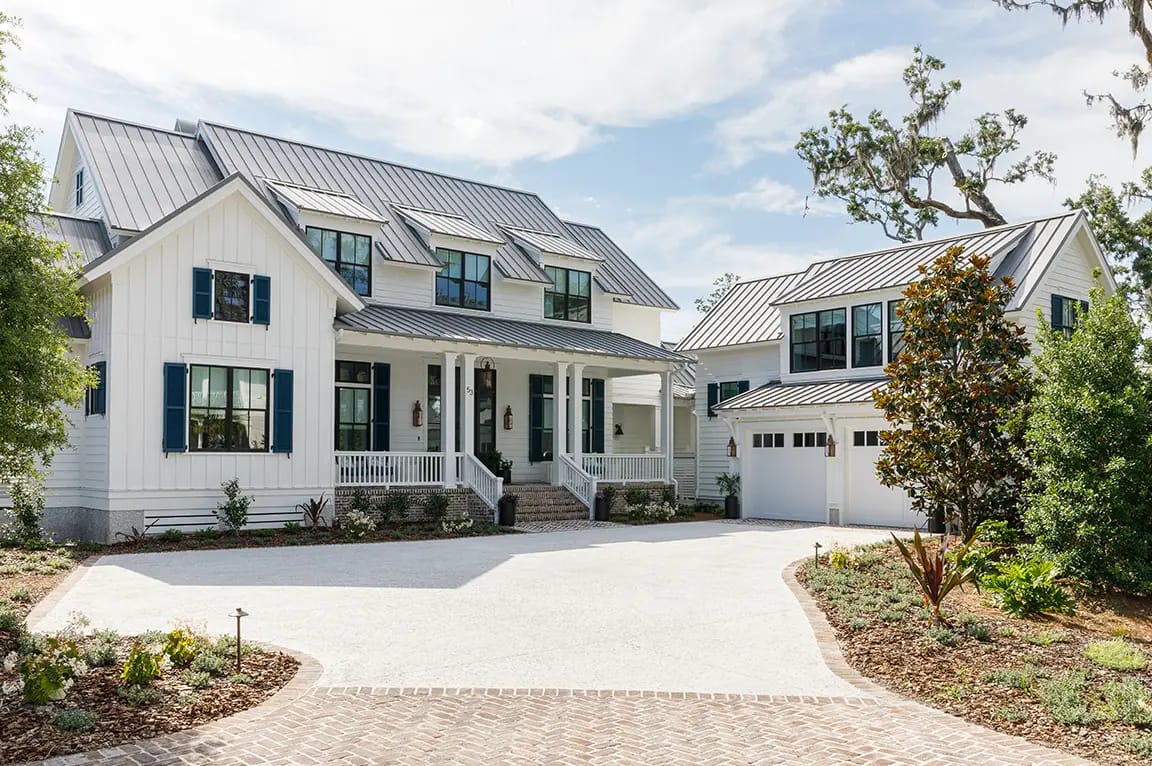
If you live in a coastal area where hurricanes are a risk, but your local code doesn't require impact-rated windows, the question is whether impact windows are worth it for your home. For many coastal homeowners, hurricane windows may provide benefits that justify consideration, depending on storm exposure, insurance options and long-term homeownership plans.
This bucket covers coastal counties along the Gulf and Atlantic from Virginia through Texas that sit outside the HVHZ and Wind-Borne Debris Region but still face hurricane exposure, including much of coastal Georgia, the Carolinas, Virginia and inland-coastal parts of Florida and the Gulf states.
Why It's Worth Considering
Hurricane risk here is real — most storms make landfall outside the strictest zones. Insurance discounts may be available. Some buyers view impact protection as a desirable feature, and some coastal buyers consider impact protection when evaluating homes. Storm-related repairs can be substantial, depending on the damage sustained.
Why It Might Not Be
The upfront cost is significant. If you're planning to move within a few years, the payback math changes. And if your home has other vulnerabilities, an older roof or missing hurricane straps, addressing those first may be a better use of your budget. Impact windows are one option in a broader resilience plan, not the only one. Some homeowners reasonably decide to spend their hardening budget on roof straps, garage-door reinforcement or secondary water resistance instead.
When Hurricane Windows Are Not Necessary
If you live somewhere hurricanes aren't a meaningful risk, you typically don't need hurricane windows. Spending the money on them doesn't address your home's actual risks, and there are almost certainly better uses for your window budget.
This bucket covers the inland states: the Great Plains, the Midwest, the Mountain West, the desert Southwest, the inland Northeast and the Pacific Northwest outside coastal Washington and Oregon. One way to check: if a hurricane has never been a realistic threat to your home in your lifetime or your parents' lifetime, you're here.
What does matter is your own climate's primary risks, and impact windows aren't the answer to most of them. Tornadoes have a different protection profile. Impact-rated windows are designed and tested for different hazards than tornado-rated systems. Hail, heavy snow loads and wildfire (which calls for fire-rated windows, a separate category) all call for different responses. In cold or hot inland climates, an energy-efficient window with a strong U-factor may provide greater benefit for your climate.
For many inland homeowners, hurricane protection isn't the primary reason to choose impact windows. For most inland homes, Pella® Lifestyle Series, Pella® Reserve™, Pella® Impervia®, and Pella® 250 Series are a better fit than the hurricane-rated alternatives, with the energy and comfort features that matter for your climate. If you're considering impact windows for non-storm reasons like UV, noise or security, the next section is for you.
Beyond Storms: Other Reasons Homeowners Choose Impact Windows
 Some homeowners choose impact-rated windows even when hurricanes aren't the main concern. The same laminated construction that resists windborne debris also addresses several other priorities. Whether those reasons justify the investment depends on your situation, and in most cases, there are lower-cost ways to get the same benefit.
 UV Protection
Noise Reduction
Laminated glass damps sound compared with standard glass, which helps if you live near a highway, airport or rail line. Acoustic-rated standard windows also help reduce noise, potentially at lower cost.
Security
Impact-rated windows are designed with laminated glass that can help resist breakage. That makes forced entry slower and noisier, which is relevant for ground-floor windows, vacation homes or specific security concerns.
Energy Efficiency
Modern impact-rated windows use laminated glass, which helps block UV rays and can make the window more energy efficient than standard single-pane glass. They aren't always better than dedicated energy-focused products, so it depends on the specifics.
If hurricane risk isn't your primary driver, the cost gap between impact windows and premium standard windows with similar features is often smaller than installers suggest, but it's still real. Pella Hurricane Shield Series and Defender Series serve these dual purposes, while Pella Reserve and Lifestyle Series products offer many of the same benefits without the hurricane-specific premium.
How to Make the Decision
The five questions above should point you to your bucket. What to do next depends on that, and on how you'd like to move forward.
If you're in Bucket 1 or 2, start by confirming your local code requirements: call your building department, remembering that local amendments can be stricter than state code. If insurance discounts matter, get a wind mitigation inspection before you choose products — the inspection tells you what would qualify for credit at your insurer, which informs what to buy. Then schedule a Pella in-home consultation to walk through your specific home and get realistic pricing, which is useful even if you're still deciding.
If budget is a concern, consider a phased approach, protecting the largest and most exposed openings first. Keep in mind that in Florida, partial protection can forfeit the insurance credit, so phasing trades discount potential for budget flexibility. And if you're in Bucket 3, a Pella in-home consultation is still worth having — for inland homes, that conversation usually lands on energy-efficient or premium-feature products rather than hurricane-rated ones. The consultation is designed to help identify products that align with your needs. Schedule a free consultation to find windows and doors for your home.
Do I Need Hurricane Windows FAQ
Are hurricane windows worth it?
It depends which of the three buckets you're in. If your code requires them, the question is moot. If you're coastal but not required, they're usually worth it over the long term as a risk-management decision. If you're inland, they're often not the most cost-effective hurricane-protection upgrade for inland homes because they don't address your home's actual risks.
Are impact windows worth it without a hurricane requirement?
For many exposed coastal homeowners, impact windows can provide meaningful long-term benefits. Hurricane risk outside the mandated zones still exists, insurance discounts may be available and storm-related repairs can be significant, depending on the damage sustained. But if you're moving soon or have more urgent home vulnerabilities, the answer can reasonably be no.
Can I install hurricane windows on just some openings?
Yes, for protection purposes you can protect the most exposed openings first and phase the rest. Be aware that for insurance, partial protection may forfeit the wind mitigation credit in some states. Some insurers require broader protection levels to qualify for available discounts.
What is the difference between hurricane windows and storm windows?
They're different products for different purposes. Hurricane (impact) windows are replacement windows with laminated glass built to resist windborne debris. Storm windows are auxiliary panels added over existing windows to improve efficiency, and they don't provide impact protection. Our comparison guide covers the distinction in detail.
How long do impact windows last?
Impact windows typically have a long lifespan with proper installation. Specific warranty details are available on the Pella product pages.
Do hurricane windows pay for themselves?
It depends. In hurricane-active markets with available insurance discounts and storm risk, the payback can be reasonable over time. In inland markets with no storm risk and no insurance discount, the math doesn't work the same way, and impact windows aren't the most cost-effective upgrade for your home.
Do I need impact windows if I already have hurricane shutters?
Not necessarily. Code-approved shutters satisfy the opening-protection requirement in most jurisdictions, so if your shutters are rated and properly installed, you're covered for compliance. Impact windows offer a convenience upgrade, since there's nothing to deploy before a storm beyond ensuring the window is closed and locked, and they add year-round benefits. They aren't required on top of qualifying shutters.
Are impact windows required to sell a house in Florida?
No. There's no statewide requirement to have impact windows to sell a home in Florida. Requirements attach to new construction and to window replacements in mandated zones, not to a sale. That said, in coastal markets, impact protection can affect a home's insurability and appeal to buyers, which can influence the sale indirectly.
Do I need hurricane windows on the second floor?
If your home is in a mandated zone, the requirement applies to all glazed openings, including upper floors, not just the ground level. Debris can strike windows at any height in a hurricane. For a phased, budget-driven install where code doesn't require full coverage, the most exposed openings are usually prioritized regardless of floor.