6 Reasons Phoenix Homeowners Are Rethinking Window Screens During Peak Summer UV Exposure

ByPella Corporation
4 min read
Key Takeaways:
- Screens and glass serve two different functions in Phoenix. Insect screens manage ventilation and bugs, while UV control comes from the glass package itself, so an upgraded screen should never be treated as a substitute for verified UV-blocking glass.
- Home layout drives screen strategy across the city. A Maryvale ranch with a large fixed picture window beside a slider faces different needs than an Ahwatukee foothill home combining view glass with casement windows and a patio door, or a Deer Valley home with limited western shade.
- Monsoon season (June 15–September 30) overlaps directly with peak heat, and since insect screens aren’t designed to filter fine dust, windows should be closed and screens inspected for debris after significant wind events.
A screen upgrade in Phoenix should begin with an important distinction: insect screens manage ventilation and bugs, while the glass package manages ultraviolet light passing through a closed window. The EPA classifies a UV index of 11 or higher as extreme, and peak summer combines intense sunlight with prolonged triple-digit heat and warm nights that can limit when windows are opened. For west-facing bedrooms, patio doors and operable windows beside larger fixed panes, upgraded screens can provide better control over how the opening is used. The goal is not to treat a screen as a UV shield, but to select a screen that fits Phoenix’s demanding summer conditions.
A Retractable Screen Does Not Stay Across the Opening All Day
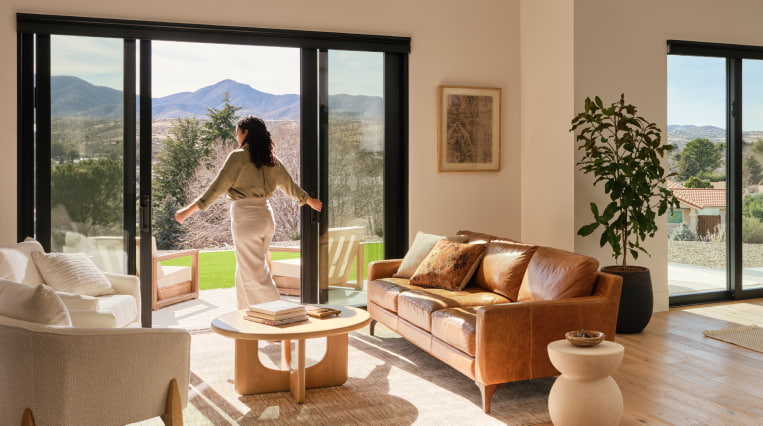
A fixed screen remains stretched across a west-facing opening throughout the hottest part of the afternoon, even when the window stays closed. A retractable or self-storing screen appears when ventilation is needed and moves out of sight when the window is closed, rather than remaining permanently deployed. That is a practical feature for a second-story bedroom in Deer Valley, where limited exterior shade may leave the western elevation exposed for hours. Retracting the screen can help you enjoy the view during a prolonged heatwave, but it does not turn the screen into a tested UV barrier.
UV Control Still Belongs in the Glass Package
Can an upgraded screen keep ultraviolet light from reaching flooring, furniture or window treatments? Homeowners should not assume so unless the screen carries a verified UV-blocking rating. In a postwar Maryvale ranch with a large picture window beside a horizontal slider, the screen covers only the operable portion, leaving most of the glass area unaffected. The right approach is to evaluate the screen for ventilation and insect protection, then compare the published UV performance and solar heat gain coefficient of the glass package you’re considering.
Phoenix Summer Ventilation Happens in Shorter Windows of Time
During peak summer, Phoenix windows often stay closed through the afternoon and may remain closed well into the evening as pavement, roofs and masonry continue releasing stored heat. Ventilation may make more sense during an occasional cooler morning or after outdoor conditions improve, rather than throughout the day. A self-storing screen fits that pattern because it deploys when the opening is used and disappears when the window closes, leaving the glass clear when the screen is unnecessary, an advantage for rooms that already get limited daylight.
Monsoon Outflows Change How Screens Should Be Used
Arizona’s official monsoon season runs from June 15 through September 30, overlapping with a period of greatest summer heat. The National Weather Service identifies strong wind and blowing dust as major monsoon hazards, along with lightning and localized heavy rain. An insect screen should not be expected to filter fine dust, and windows should be closed when an outflow or dust storm approaches. Screens, tracks and patio-door rollers should also be inspected after significant wind events because debris can affect mesh condition and operation.
Large Openings with a View Need a Clearer Screen Strategy
A foothill home in Ahwatukee may combine fixed picture windows with adjacent casement windows or an expansive patio door. A conventional static screen can soften the view even when no ventilation is needed, while high-transparency and retractable options can reduce that permanent visual layer. This is especially useful when the opening frames a view of South Mountain or connects a living area to a covered patio. Greater screen transparency does not mean greater UV protection, so glass performance still needs to be evaluated independently.
The Right Upgrade Depends on the Window or Door Style
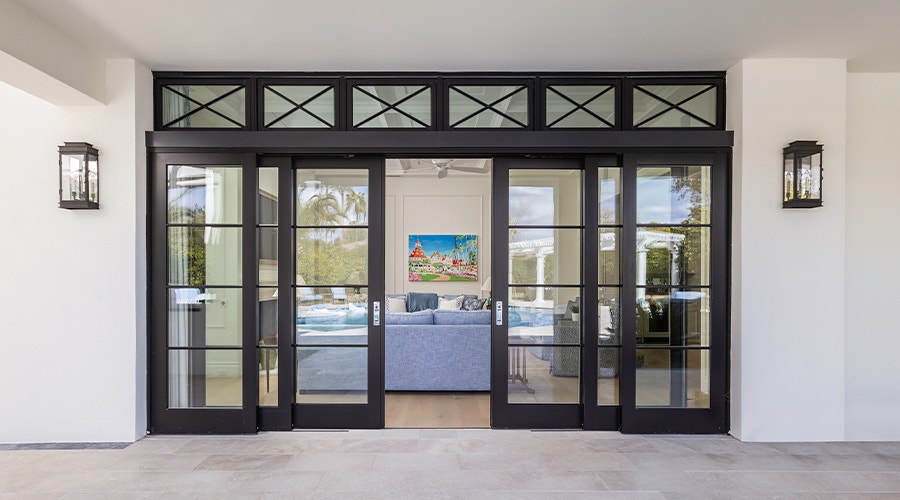
A broad horizontal slider in a Maryvale block ranch needs a different screen configuration than a large patio door in a newer Desert View home. Homeowners should compare how the screen deploys, whether it can be removed for cleaning, how the panel or sash operates and how often the opening is used. Screen options also vary by window style, material and product series, so a feature shown on one Pella product should not be assumed to be available on every other product. The strongest selection considers the complete opening, including orientation, glass area, exterior shade and daily use.
Why Pella’s Window and Door Options Can Be Tailored to Many Phoenix Homes
The Hidden Screen is available on select Pella® 250 Series and Pella® Lifestyle Series windows, while the Integrated Rolscreen® and other Rolscreen® retractable options provide self-storing functionality on specific wood-window and patio-door configurations. For the glass itself, Pella reports that dual-pane SunDefense™ Low-E insulating glass blocks 94% of ultraviolet rays and the available triple-pane configuration blocks 95%, although exact product compatibility and local availability must be confirmed. These options allow Phoenix homeowners to compare compatible screen, glass and operating configurations based on the needs of each opening.
Ready to Prepare the Home for the Next Peak-Summer Stretch?
If you are a Phoenix homeowner and are uncertain whether your existing windows are suited to sustained heat and intense solar exposure, a professional in-home assessment can help clarify the available options. The local Pella Windows & Doors of Arizona team offers free, no-obligation in-home consultations to review the condition, orientation and daily use of specific windows and patio doors. A Pella expert can explain which upgraded screens fit the opening and which glass options carry verified UV-performance claims. Schedule a free in-home consultation before the next peak-summer stretch places the home’s openings under months of direct sun.
Thinking about next steps?
Whether you’re exploring ideas or ready to talk details, we’re here to help. Schedule a consultation—or sign up for inspiration and real-home insights from Pella.