Window Replacement Financing Options: How to Choose the Right Fit


Replacing windows is a meaningful home improvement investment, and how you choose to pay for the project can shape your timeline, scope and overall planning process. For many homeowners, financing can make it easier to move forward with needed upgrades while keeping the project aligned with household priorities.
Replacement window projects are often discussed in terms of per-window pricing, with typical installed costs ranging from approximately $800 to $2,200+ depending on material. Total project investment scales based on the number of windows, installation requirements and design choices, which is why overall costs can vary widely — particularly for larger or full-home projects.
The right financing path often depends on the size of your project, how quickly the work needs to happen and what feels comfortable within your budget. Rather than focusing on any single option as the “best” fit, it helps to compare how each approach works for your specific goals.
Common Ways to Finance Window Replacement
Homeowners often consider several ways to pay for replacement windows, depending on the size and urgency of the project.
Manufacturer financing
Some window manufacturers, including Pella, offer financing programs that allow qualified homeowners to spread project costs over time. Terms, promotional offers and eligibility can vary, so this option is often easiest to evaluate during a consultation when the project scope is clearly defined.
Personal or home improvement loans
A personal loan or home improvement loan may be worth exploring if you want a fixed repayment term and already have a clear project budget in mind. These loans are often used for single-room updates, partial replacements or mid-sized projects where the scope is relatively straightforward.
Home equity loan
A home equity loan may be considered when the project scope is well defined, and you prefer predictable monthly payments. Because this type of financing uses the equity in your home, it is often explored for larger replacement projects where costs are higher and more fixed.
HELOC
A home equity line of credit (HELOC) can offer flexibility when the project is happening in stages or when the final scope is still evolving. Unlike a traditional loan that provides a lump sum, a HELOC allows you to draw funds as needed over time, which some homeowners find helpful when planning to replace windows first and add patio doors or entry doors later.
Paying cash or taking a phased approach
Some homeowners prefer to pay cash for the full project, while others choose to replace the most urgent windows first and complete the rest of the home later. A phased approach can make larger projects feel more manageable, especially when budget is the primary consideration.
However, completing a project in multiple phases may lead to higher overall costs over time due to repeated labor setup, separate installations and potential material price changes.
How to Compare Financing Options
As you compare options, focus on the factors that affect both short-term budgeting and long-term project planning.
Monthly payment
Start with a monthly number that feels realistic for your household budget. This can help narrow down which repayment terms feel comfortable without overextending your finances.
Interest rate and APR
Review the annual percentage rate (APR) and any promotional periods so you understand how borrowing costs may change over time. Rates can vary significantly based on factors like credit profile, lender and loan structure, which can impact overall affordability.
Repayment term
A shorter term may mean higher monthly payments, while a longer term may spread payments over more time. The right fit depends on how you want to balance monthly cost with total cost over time.
Total cost over time
It can be helpful to compare the total amount paid over the life of the financing, not just the monthly payment. This gives a more complete picture of how different options may impact your long-term budget.
Flexibility
If you plan to replace only part of the home now and return to the project later, flexibility becomes an important comparison point. Some financing options are better suited for evolving project scopes than others.
When Financing Makes Sense
Financing is often worth exploring when the timing, scale or long-term value of the project matters just as much as the upfront cost.
Whole-home replacement
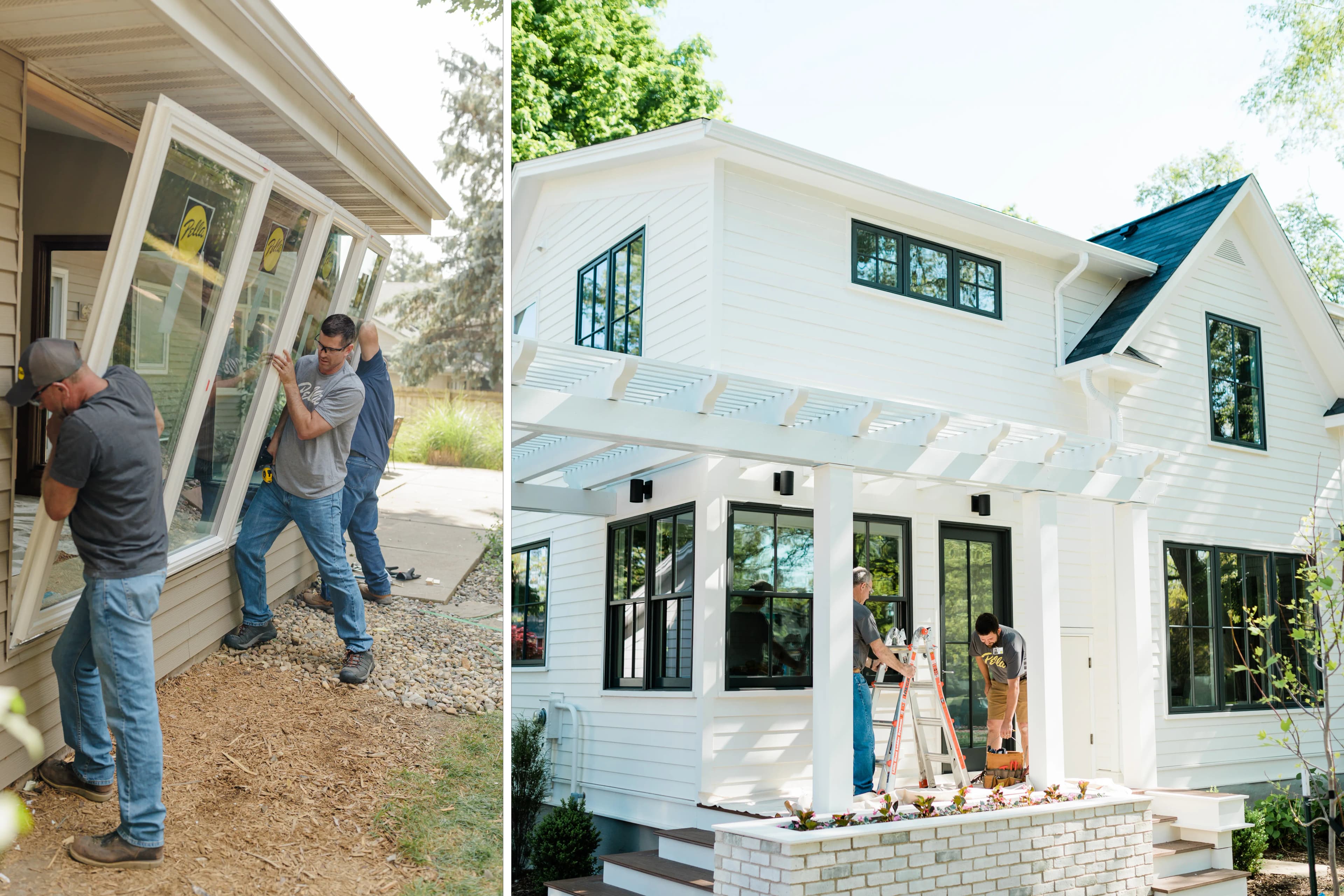
For larger projects involving multiple rooms or a full-home replacement, financing can help spread the investment over time while keeping installation consolidated into one coordinated phase. Completing the work at once may also help reduce repeated labor setup and create a more consistent look and feel throughout the home.
Urgent replacement needs
If windows are drafty, damaged or no longer operating properly, financing can make it easier to address the issue sooner rather than delaying necessary repairs. This can help prevent ongoing comfort issues or potential weather-related damage.
Energy efficiency upgrades
Some homeowners choose financing when older windows are contributing to drafts, uneven room temperatures or rising heating and cooling costs. In these cases, improved insulation and energy performance may help support long-term comfort while the project is completed sooner.
Combining Windows and Doors in One Project
If your project includes replacement windows along with patio doors or entry doors, financing can make it easier to complete everything in the same renovation phase rather than splitting the work across separate timelines and budgets.
What Affects How Much You May Need to Finance
The amount you may need depends on the details of your project.
Common factors include:
- The number of windows being replaced
- Window material choices such as vinyl, fiberglass or wood
- Style selections including casement, double-hung or picture windows
- Installation complexity, such as upper-story access or custom trim work
- Whether the project also includes doors
- Your local market and labor conditions
Reviewing these variables early can help you better understand your project range before selecting a financing path.
Helpful next step: Explore our window replacement cost guide and cost factors resource to better understand what may shape your project budget.
Questions to Ask Before Choosing Financing
- Before moving forward, it helps to ask a few practical questions:
- What is the total project cost?
- What monthly payment range feels manageable for my budget?
- Are there promotional rates or introductory periods?
- Are there fees, penalties or prepayment considerations?
- Does the financing include installation costs?
- Can the project start on my preferred timeline?
- Does this option still work if the scope changes?
These questions can help keep the decision focused on your overall home improvement goals rather than just one number.

Next Steps: Planning Your Window Replacement Project
The easiest way to choose a financing path is to first understand the likely cost and scope of your project. Once you know how many windows you plan to replace, which materials you prefer and whether installation complexity may affect labor, it becomes much easier to compare payment options.
From here, helpful next steps may include:
- Reviewing the window replacement cost hub
- Comparing window cost factors by material and style
- Exploring the financing support page
- Scheduling a consultation to review your project scope and timeline
Thinking about next steps?