Mid-Century Modern Windows
Discover how windows and doors enhance your mid-century modern home’s sleek design, natural light and timeless functionality.

KEY TAKEAWAYS
- Mid-century modern homes feature clean lines, open floor plans and expansive windows that maximize natural light and outdoor views.
- The best window styles for these homes include picture, casement, awning, hopper and sliding windows, which enhance both functionality and aesthetics.
- Choosing windows with natural materials, sleek designs and a balance of privacy and openness helps maintain the style’s signature look.
Mid-century modern homes are beloved for their sleek designs, functional layouts and timeless appeal. Originating between the 1930s and 1970s, this architectural style combines simplicity, practicality and a strong connection to the outdoors. At the heart of these homes are carefully chosen windows that define the style’s signature look.
Elements of Mid-Century Modern Architecture
Mid-century modern homes reflect the evolving design trends of their time, prioritizing clean lines, natural materials and indoor-outdoor harmony. Here are some defining architectural features:
- Low, flat designs: Inspired by the Prairie style, these homes often feature ranch or split-level layouts with low-pitched hip or gable roofs.
- Sleek, clean lines: Ornamentation is minimal, favoring a streamlined, functional aesthetic.
- Open floor plans: Large, open living spaces encourage connection between indoor and outdoor areas.
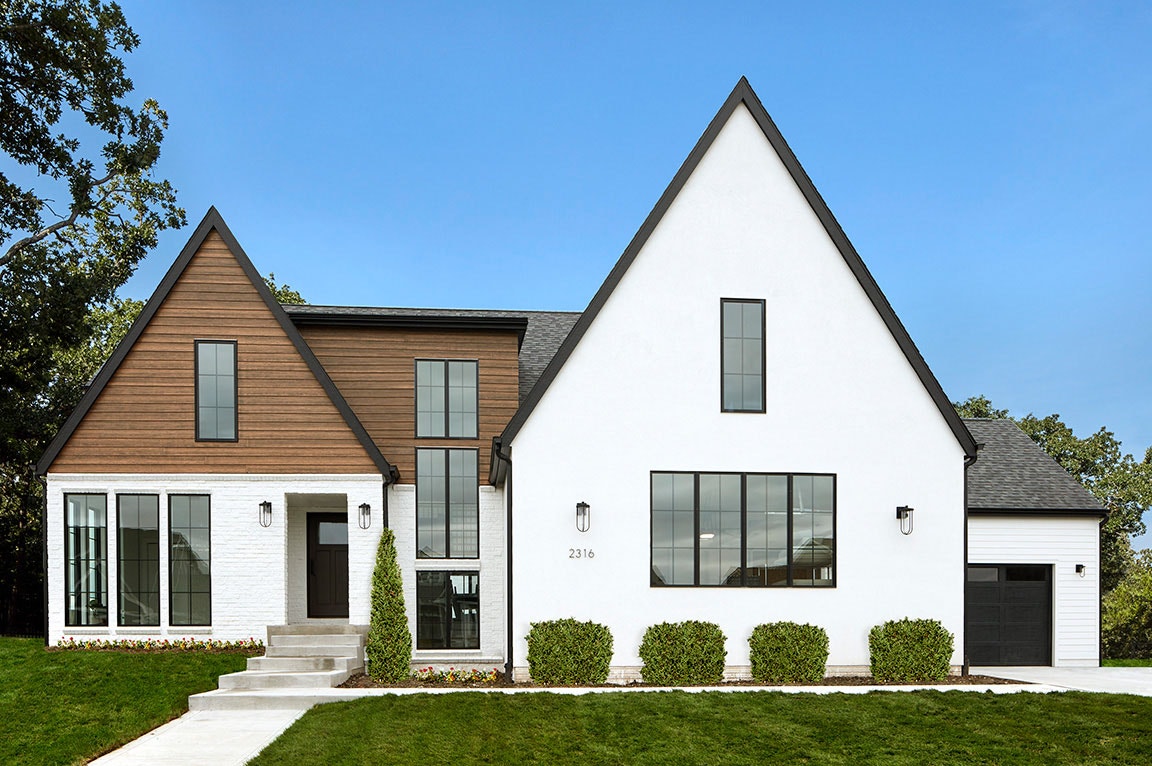
- Expansive windows: Floor-to-ceiling glass walls and linear window styles emphasize natural light and outdoor views.
- Recessed entrances: Tucked under the roofline, these welcoming entryways often feature wood doors for a warm, natural look.
The Importance of Windows in Mid-Century Modern Design
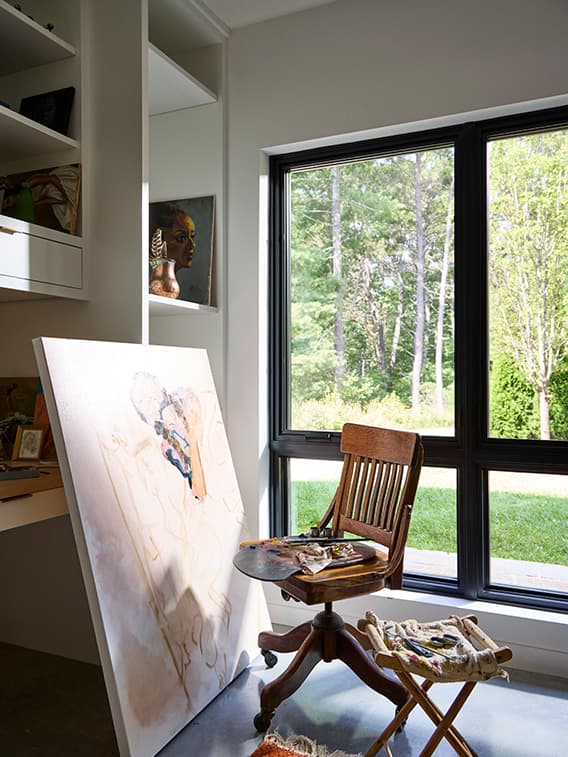
Windows play a crucial role in mid-century modern homes, helping to define their architectural style while enhancing functionality. From large picture windows to sleek casement designs, the right windows:
- Maximize natural light and outdoor views.
- Complement the home’s clean, horizontal lines.
- Enhance energy efficiency and ventilation.
Best Window Styles for Mid-Century Modern Homes
Mid-century modern homes are defined by their clean lines, functionality and seamless connection to the outdoors. The right window styles not only enhance these characteristics but also add to the home’s aesthetic appeal. Let’s explore the best window options to complement this iconic design.
Picture Windows for Panoramic Views
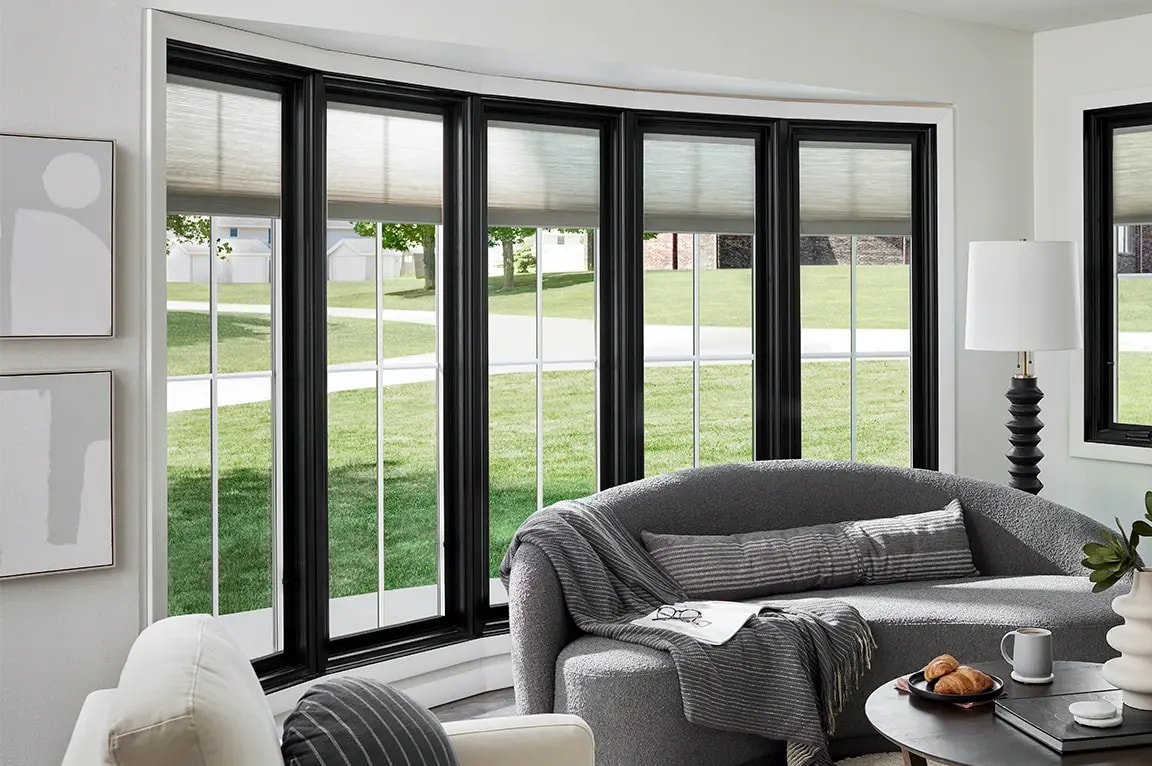
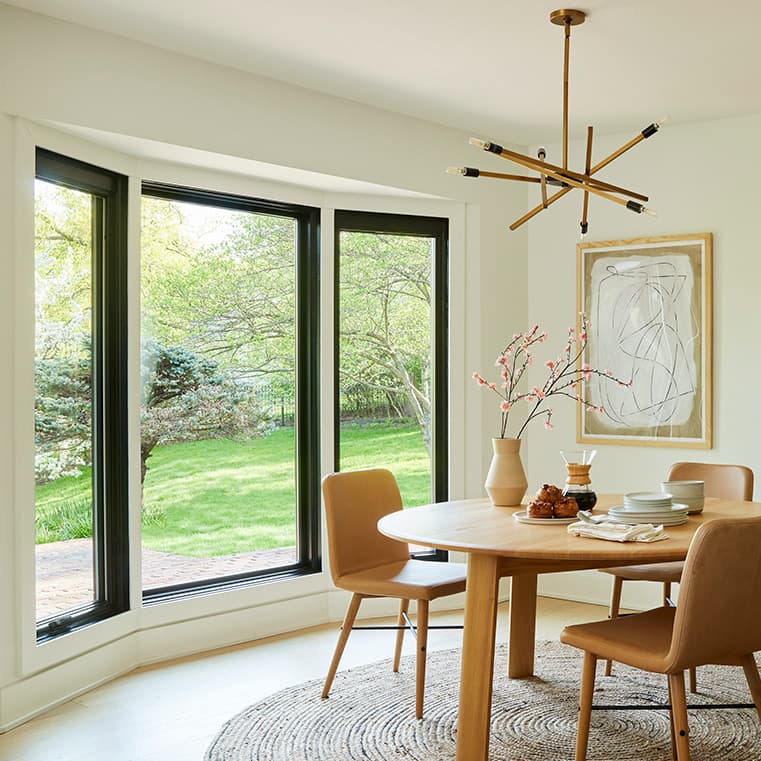
Picture windows are a hallmark of mid-century modern homes, offering unobstructed views and connecting interiors to the outdoors. These large, inoperable windows flood spaces with natural light and create a dramatic focal point.
- Ideal for living rooms or spaces with scenic outdoor views.
- Combine with smaller operable windows, like awning or hopper styles, for ventilation.
Casement Windows for Sleek Functionality
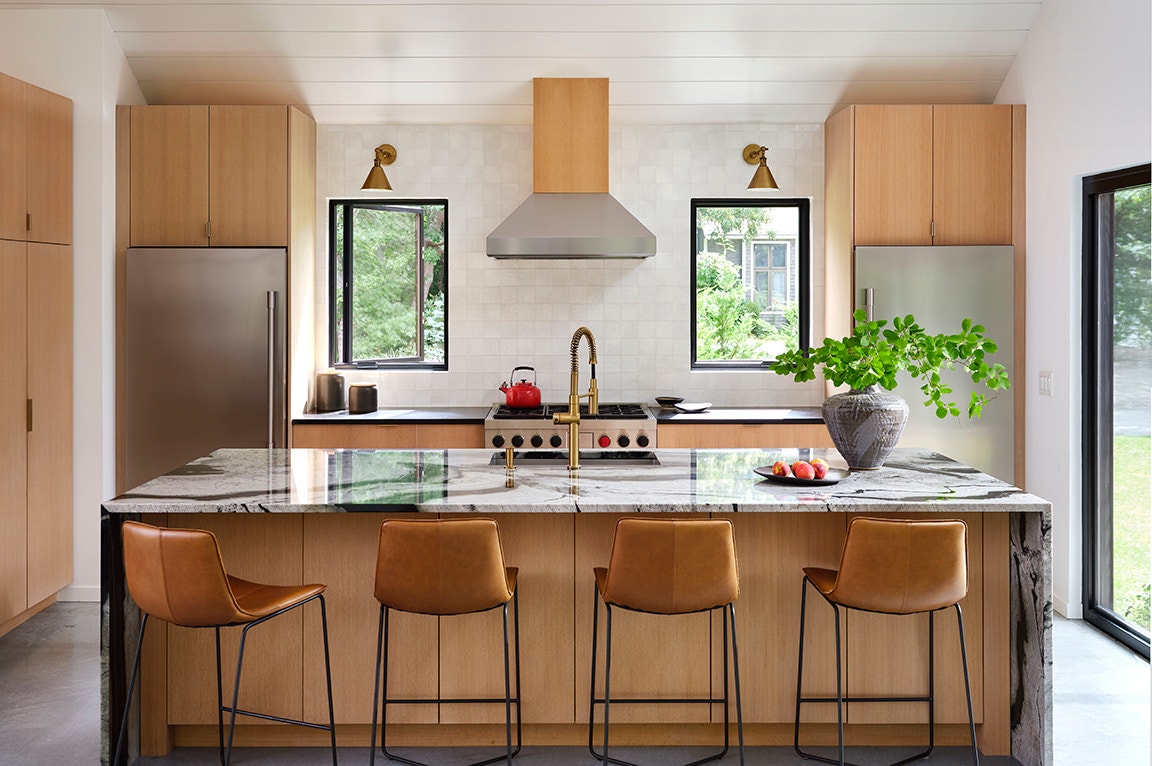
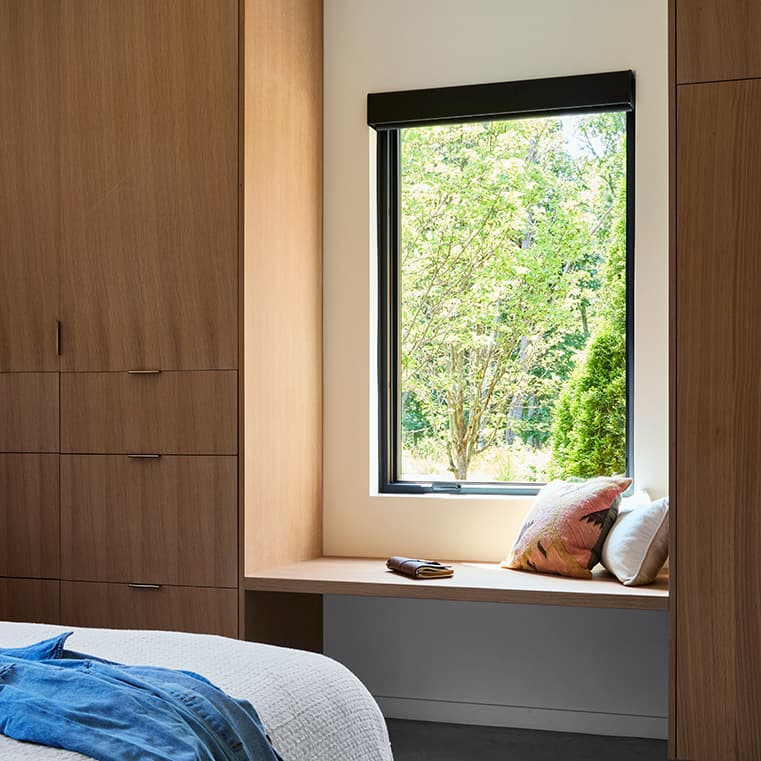
Casement windows are hinged on the side and swing outward, aligning perfectly with the style’s clean lines. They’re a versatile choice for various rooms and provide excellent airflow.
- Great for bedrooms, kitchens or smaller spaces.
- Pair with picture windows for a balanced design.
Awning and Hopper Windows for Ventilation
Awning windows open outward from the top, making them ideal for smaller spaces or areas requiring ventilation.
- Use in combination with large picture windows to maintain airflow.
- Perfect for bathrooms, basements or high-wall installations.
Sliding Windows for a Streamlined Look
Sliding windows feature horizontally moving panes that enhance the home’s horizontal emphasis. They’re practical and space-saving.
- Ideal for rooms with limited space.
- Combine with other window styles for added interest.
How to Choose the Right Windows
Selecting the ideal windows for your mid-century modern home involves a thoughtful approach to style, functionality, and materials. Here are some comprehensive tips to guide you:
Focus on Clean Lines
In keeping with the minimalist ethos of mid-century modern design, opt for windows with clean, simple lines and geometric shapes. These windows should blend seamlessly with the architecture of your home, serving as both functional elements and aesthetic enhancements. Rectangular or square designs often work well, highlighting the structure's sleek forms and understated elegance.
Prioritize Natural Light
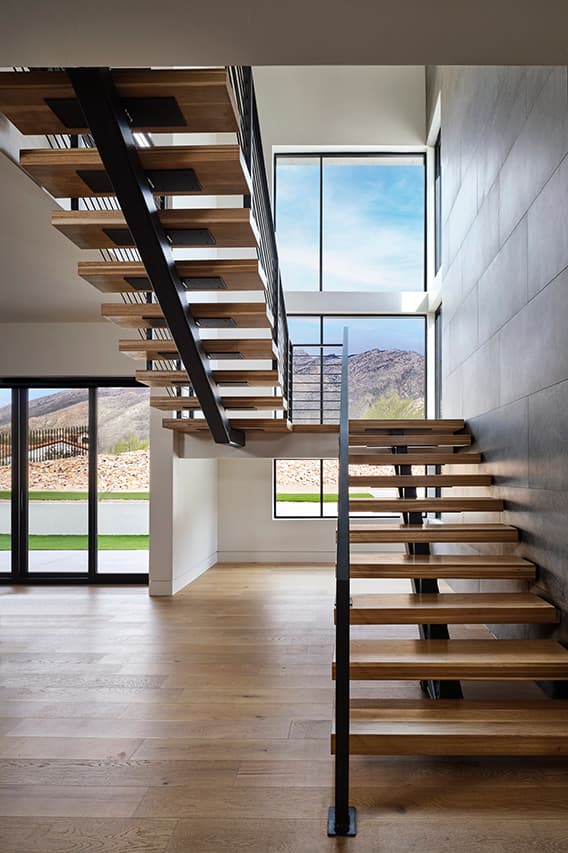
Maximizing natural light is a key feature of mid-century modern homes. Consider installing large picture windows that allow generous amounts of sunlight to flood interior spaces and connect the indoors with the outdoors. Floor-to-ceiling windows are particularly effective in breaking down boundaries between the interior and exterior, enhancing the spacious feeling typical of mid-century design. This not only brightens living areas but also highlights open-plan layouts and views of the surrounding landscape.
Use Natural Materials
Natural materials play a vital role in the mid-century modern aesthetic, helping to establish a sense of warmth and harmony with nature. Choose window frames crafted from wood, which can be finished in warm stains or neutral tones that complement your home’s overall color palette. Such choices accentuate the organic feel and texture, enhancing both the visual and tactile qualities of the space.
Balance Privacy and Openness
While large windows are central to the style, balancing openness with privacy is essential. Integrate expansive windows with thoughtful solutions like curtains, blinds, or frosted glass to provide privacy when needed without sacrificing natural light. You can also integrate transom windows high on the walls to ensure daylight reaches deeper into the home, enhancing illumination and maintaining privacy. These design strategies will help you keep your home secure while fully embracing the light and openness of mid-century modern design.
Mid-Century Modern Color Palette
Colors in mid-century modern homes are as varied as the materials. Bright, bold accents stand out against neutral, earthy tones. Popular options include:
- Earthy neutrals: Beige, brown and gray.
- Bold accents: Mustard yellow, teal, orange and olive green.
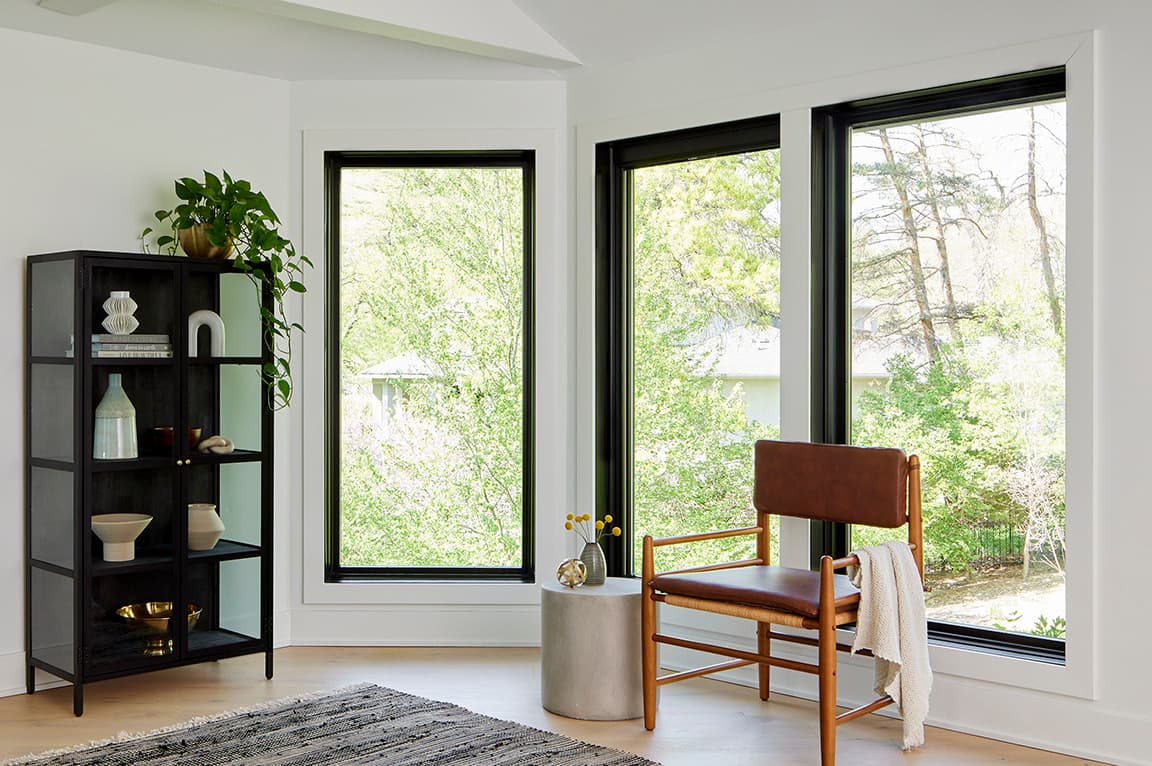
- Contrasts: White walls paired with dark wood finishes.
Bringing Mid-Century Modern Style to Your Home
Whether you’re renovating a classic mid-century modern home or designing a new space inspired by the style, the right windows can make all the difference. Embrace the clean lines, natural light and timeless materials that define this era for a home that feels both retro and modern.
Frequently Asked Questions About Mid-Century Modern Style
What are the most common window styles in mid-century homes?
Mid-century homes often highlight large picture windows, clerestory windows, and sliding glass doors. These designs embrace open spaces and blur the line between indoor and outdoor living. Picture windows offer expansive views and fill interiors with natural light. Clerestory windows, positioned high on walls, bring in light while preserving privacy. Sliding glass doors create seamless access to patios or decks, reinforcing the connection to nature that defines mid-century modern design.
What materials are typically used for windows and doors in mid-century homes?
Windows and doors in mid-century homes often feature materials like aluminum, steel, and wood. Aluminum and steel provide a sleek, modern look with minimal maintenance, while wood introduces warmth and versatility to the design. These materials contribute to the clean lines and functional beauty that are hallmarks of mid-century architecture.
How do door styles in mid-century homes differ from other designs?
Mid-century modern doors are known for their clean, minimalist approach, with simple flush panels, geometric patterns, and horizontal lines. Common features include sidelights and transoms, which invite more natural light into the home. Unlike more ornate styles, mid-century doors focus on subtle elegance, complementing the home’s overall streamlined aesthetic.
Why are large windows such a key feature in mid-century modern homes?
Large windows are essential in mid-century modern design because they reflect the era’s focus on integrating with nature. These expansive windows flood interiors with natural light, reduce dependence on artificial lighting, and offer uninterrupted views of the surrounding landscape. Their design aligns with the philosophy of openness, simplicity, and harmony with the environment.
What role do color and finishes play in mid-century window and door designs?
Colors and finishes in mid-century designs strike a balance between natural tones and bold accents. Wood finishes or neutral hues like brown and gray provide warmth and harmony, while vibrant colors like teal, orange, or avocado green add a playful touch. Matte or satin finishes are often chosen to keep the look polished yet understated.
Are there energy-efficient updates for mid-century windows and doors?
Absolutely. Modern solutions like double-glazed or triple-glazed windows can enhance insulation and lower energy costs. Low-emissivity (Low-E) coatings on glass help regulate heat transfer, and frames made from materials like fiberglass or advanced composites offer improved thermal performance. These options allow you to maintain the mid-century aesthetic while upgrading your home’s energy efficiency.