5 Reasons Chicago Homeowners Are Choosing Upgraded Screens for More Natural Light This Summer

ByPella Corporation
Updated 10/15/2026
4 min read
Key Takeaways:
- Chicago’s average July high of 84.5°F, paired with high humidity, keeps windows closed during peak afternoon hours, so screen visibility matters most during the many hours when the window stays shut rather than open for ventilation.
- Home layout affects how much daylight reaches a room before a screen even factors in. Bungalows with deep floor plans, narrow-lot worker cottages and two-flats, and lakefront condos each lose light differently, whether from mature trees, neighboring walls or shaded rear windows.
- A brighter screen improves visibility and daylight flow but doesn’t control heat. Glass performance, shading and window coverings remain the tools for managing solar gain, especially on west-facing units, where late-afternoon sun causes glare and discomfort.
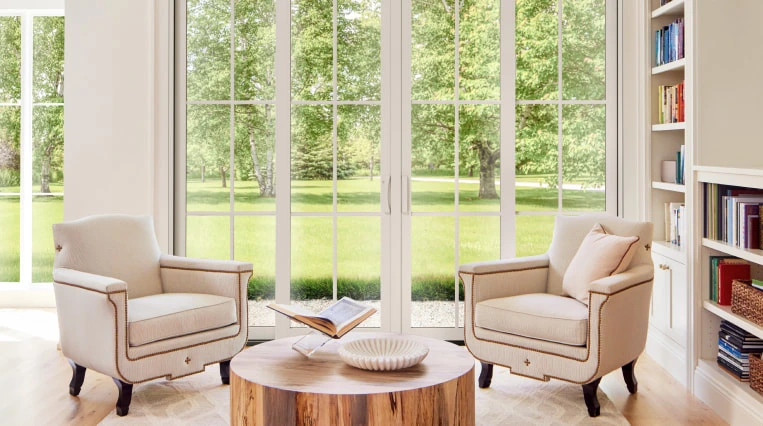
Chicago’s hottest summer weeks bring more than high temperatures. National Weather Service climate normals put the city’s average July high at 84.5°F during the day, and high humidity can make extreme heat more dangerous, according to NOAA climate normals and the City of Chicago’s heat guidance. During these stretches, some upgraded screens are designed to reduce visual obstruction and preserve a clearer connection to the outdoors while windows remain closed against the afternoon heat.
High-Transparency Screens May Help Bungalows Feel Brighter
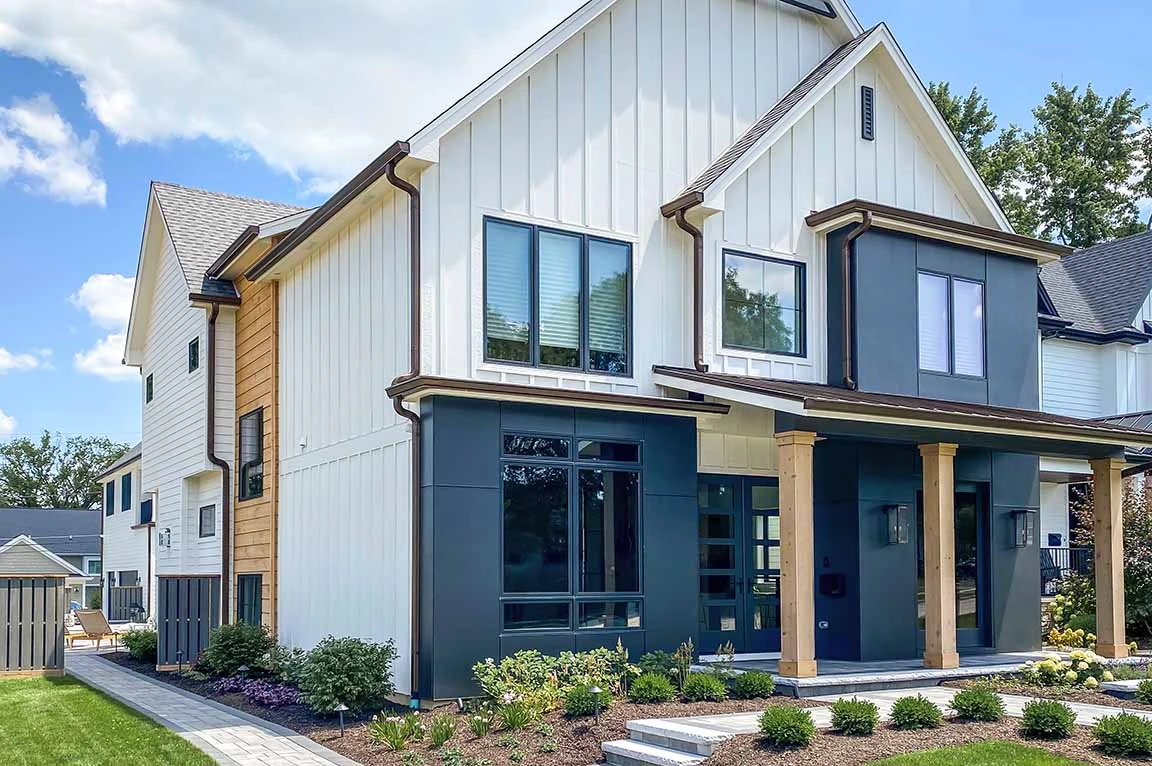
Many Chicago bungalows have deep floor plans that depend heavily on street-facing and rear windows for daylight. Mature parkway trees, covered entries and nearby homes can further limit the light reaching interior rooms in neighborhoods such as Portage Park. A high-transparency screen creates less of a visual barrier than conventional fiberglass mesh, helping those windows admit more available daylight without removing insect protection. The clearer material can be especially useful when replacing double-hung windows while maintaining the familiar proportions of a bungalow façade.
Retractable Screens Move out of View When Windows Are Closed
Should windows stay open during the hottest part of a Chicago summer day? Usually not when the outdoor air is hotter or more humid than the indoor air, which means a fixed screen may sit in front of the glass even when no ventilation is needed. A retractable screen is stored out of view when the window is closed, allowing the glass to deliver a clearer view and more natural light while the air conditioning runs. That configuration may be worth considering in a Lakeview condo or lakefront high-rise, where the window serves as both a source of daylight and a connection to the city.
Screen Visibility Matters in Chicago’s Narrow-Lot Homes
Worker cottages, two-flats and other older homes on narrow Chicago lots do not always receive direct sunlight through every opening. Side windows in Bridgeport may face a nearby brick wall while a rear window may be shaded by a deck, enclosed porch or neighboring building. An upgraded screen cannot create sunlight, but it can reduce how much of the available light is filtered by the mesh. This helps kitchens, stairwells and bedrooms make better use of the daylight already reaching the window.
Screen Options for Cooler Summer Hours
The lake breeze can cool communities near Lake Michigan while inland parts of Chicago remain warmer, so there is no single ventilation schedule that works across the city. The Illinois State Climatologist notes that lake breezes can move inland but weaken with distance, creating noticeable temperature differences from one part of Chicago to another. When the outdoor temperature and humidity are comfortable, an operable window with a well-fitted screen can make early-morning or evening ventilation more practical. Federal building-science guidance recommends natural ventilation when outdoor air is cooler and suitable, not during periods of extreme heat, high humidity or poor air quality.
Screen, Glass and Shading Choices Address Different Summer Needs
Does a brighter screen also keep a room cooler? Screen transparency improves daylight flow and visibility, but the window glass, interior coverings and exposure play larger roles in controlling unwanted solar heat. That distinction matters in a west-facing two-flat or top-floor condo, where late-afternoon sun can quickly increase glare and discomfort. During the hottest hours, shades or other appropriate coverings can help manage direct sunlight while an upgraded screen preserves a clearer opening when those coverings are raised.
Why Pella’s Window and Door Options Can Be Tailored to Many Chicago Homes
Pella offers several screen technologies that homeowners can consider based on window style and project priorities. InView™ screens allow 14% more light in and 8% more airflow than conventional fiberglass screens, while Pella’s Hidden Screen folds away when the window closes and allows 44% more natural light than a standard screen. Select wood windows can also be configured with Rolscreen® retractable screen options made with high-transparency InView™ material, subject to product line and window-style availability. Because availability depends on window style and product line, the local Pella team can help coordinate the screen, glass package and operating style with anything from a bungalow’s double-hung openings to a condo’s summer sun exposure.
Ready for Brighter Windows During the Next Chicago Summer?
If you own a home in Chicago and are uncertain whether your existing screens and windows make the most of the city’s summer daylight, a professional in-home assessment can help clarify the available options. The local Pella Chicago team offers free consultations that evaluate the home’s window condition, exposure, operating styles and available screen upgrades, with no obligation and no sales pressure. Homeowners can schedule a free consultation to find the right balance of natural light, clearer views, ventilation and heat-conscious glass performance before the next stretch of hot weather.
Thinking about next steps?
Whether you’re exploring ideas or ready to talk details, we’re here to help. Schedule a consultation—or sign up for inspiration and real-home insights from Pella.