6 Ways Portland Homeowners Can Maximize Airflow When Coastal Fog Sends Cooler Air Inland
How Portland homes capture cool marine air in the morning, manage upstairs heat, and know when to close up for smoke or afternoon sun.

Key Takeaways
- Portland's marine push brings cooler air inland from the coast, but that temporary relief only helps if windows are opened and closed at the right times, not left open all day.
- Older Portland floor plans (Craftsman bungalows, Foursquares, Colonial Revivals) often lack a clear airflow path, so cross-ventilation depends as much on layout and working hardware as it does on opening a window.
- Wildfire smoke should override any ventilation schedule entirely. Screens block insects but not fine smoke particles, so closed windows and indoor filtration take priority over airflow strategy when air quality drops.
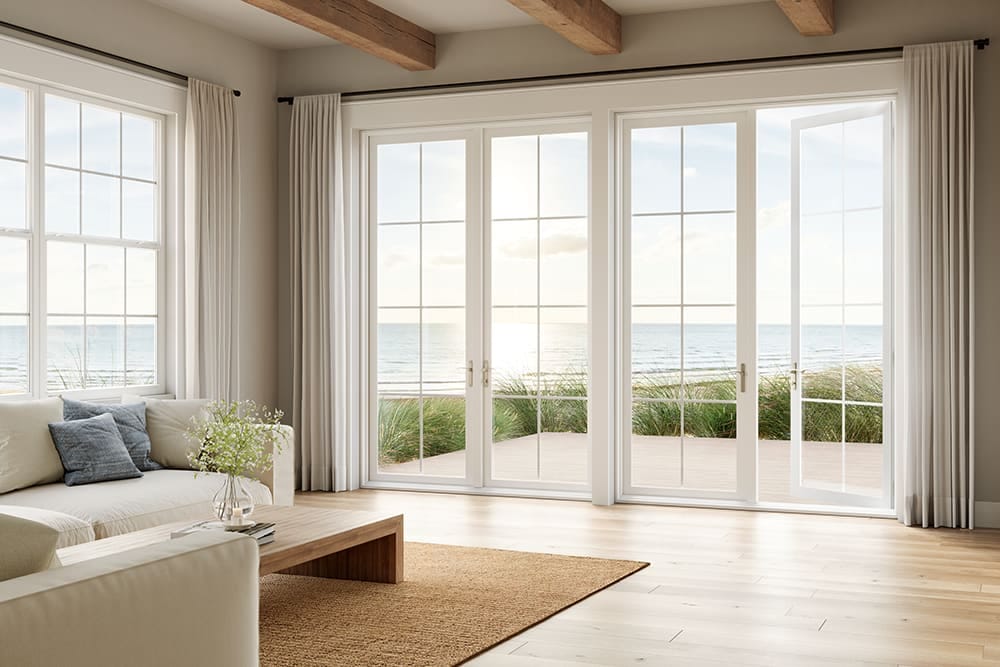
While coastal fog is common along Oregon’s coast, Portland typically experiences its influence as a marine push, with cooler air and low morning clouds moving into the Willamette Valley. That temporary cooling can help remove heat stored inside older homes, but only when windows are opened at the right time and in the right places. Once the clouds clear and outdoor temperatures rise, leaving those windows open can make the house warmer again. Effective ventilation in Portland is a temperature-control strategy, not an all-day routine.
1. Capture Portland’s Cool Marine Air Early in the Day
When should Portland homeowners open their windows during a marine push? The best time is usually when the outdoor air is cooler than the air inside the home. A Sellwood-Moreland bungalow that held heat overnight may benefit from several open windows during a cloudy morning, followed by closing them before the afternoon warms. A basic indoor and outdoor thermometer can help a homeowner identify the right time to make that change. The goal is to bring cooler air inside, then keep that cool from escaping.
2. Create a Complete Airflow Path Through Older Floor Plans
One open window will not move much air if there is no clear place for that air to exit. Many Portland Craftsman homes have enclosed rooms, central hallways or later additions that interrupt natural airflow. Opening windows on different sides of the house and keeping the interior path between them clear can create more useful cross-ventilation. Painted sashes, worn balances and failing hardware should also be addressed, because a window that opens only a few inches limits the amount of air a room can exchange.
3. Give Rising Heat a Way out of the Upper Floor
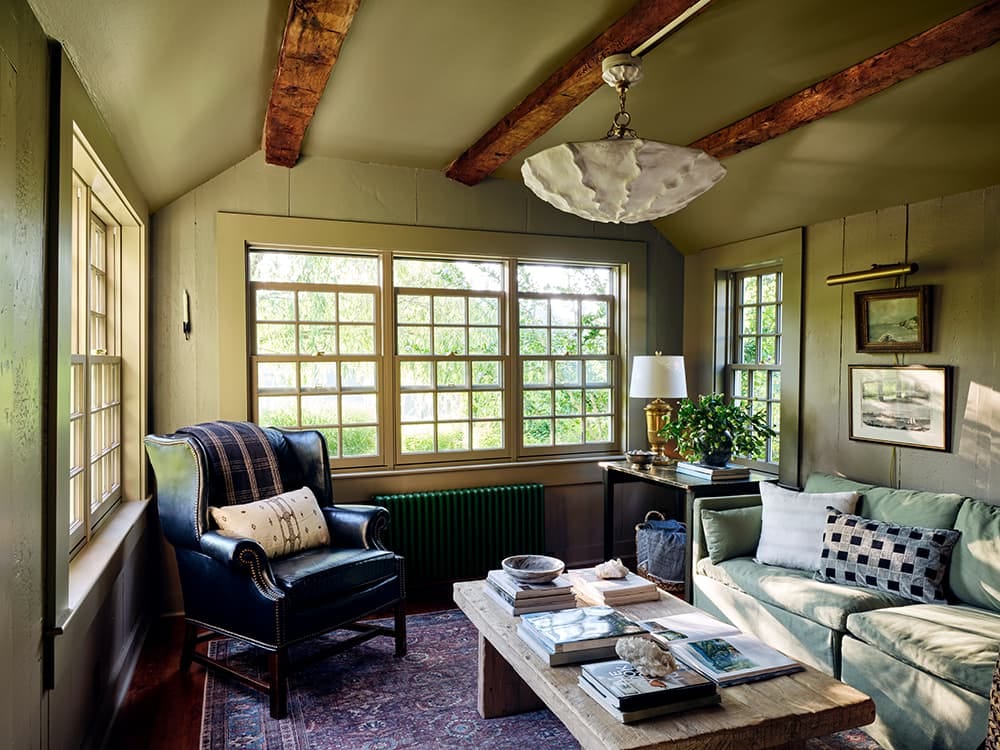
Warm air often collects in upstairs bedrooms after a sunny Portland afternoon. In a two-story Foursquare or Colonial Revival home in Irvington, lower-level windows can admit cooler air while safe, properly functioning upper windows allow warmer air to escape. Double-hung windows can support this movement when both sashes operate as intended, giving the homeowner more control over the size and position of each opening. Upper-floor ventilation must still account for fall protection, security and rain.
4. Add Ventilation Without Losing a Ranch Home’s Broad Views
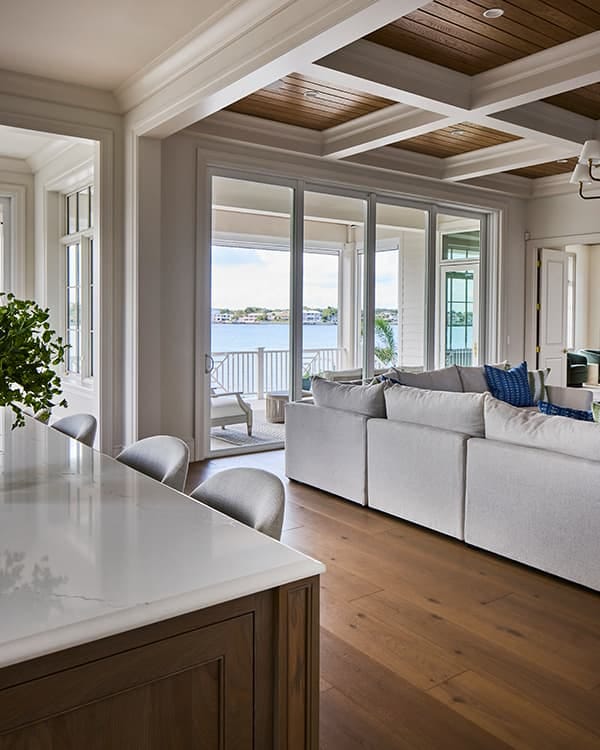
Can a large picture window help ventilate a Portland ranch home? A picture window does not open, so airflow must come from nearby casement, awning or sliding windows. In East Portland, a fixed center window paired with operating units can preserve a ranch home’s broad horizontal appearance while making ventilation more practical. Exterior clearance, furniture placement and the usual direction of the breeze should guide the final configuration.
5. Close Exposed Windows Before Afternoon Sun Reheats the Room
Morning ventilation is only part of temperature control. A West Hills midcentury home may cool down during a marine push, then heat up again when direct afternoon sun reaches large west-facing windows. Once outdoor air becomes warmer than indoor air, closing the windows and using available shade can help retain the earlier cool. The glass should also be selected for the room’s orientation, tree cover, view and natural-light needs rather than using one package throughout the house.
6. Let Smoke Conditions Override the Ventilation Schedule
Portland’s cooler evening air is not always suitable for open-window ventilation. When wildfire smoke affects local air quality, Oregon health guidance recommends keeping windows and exterior doors closed and using appropriate indoor filtration rather than pulling smoky air through the house. Window screens keep out insects, but they do not filter fine smoke particles. No replacement window makes a home smoke-proof, so homeowners should consider outdoor air quality, filtration and HVAC operation before opening windows.
Why Pella Is the Right Choice for Portland Homes
Pella provides the operating styles and glass choices needed to manage Portland’s shifting summer conditions as one complete strategy. Pella casement windows open outward to provide broad ventilation, while Pella awning windows are hinged at the top and can support airflow during light rain when conditions allow. Pella also offers Low-E insulating glass options that can be selected according to sun exposure, room use and the level of temperature control needed. That flexibility may make Pella a practical option for many homeowners where morning ventilation, afternoon heat control and architectural fit all need to work together.
Ready to Head into Late Summer with Better Airflow?
If a Portland homeowner is not certain that the windows are performing at the level this city demands, the right first step is a professional in-home assessment. The local Pella Portland team offers free in-home consultations that evaluate the home’s existing windows, airflow paths, sun exposure and architectural needs, with no obligation and no sales pressure. The assessment can help determine whether discomfort is related to limited window operation, unsuitable glass, installation conditions or another part of the opening. Schedule a free consultation today and head into late summer with a practical plan for capturing cool marine air without losing control when afternoon heat or wildfire smoke returns.
Thinking about next steps?
Whether you’re exploring ideas or ready to talk details, we’re here to help. Schedule a consultation—or sign up for inspiration and real-home insights from Pella.