6 Ways Detroit Homeowners Can Keep Homes Cool Without Over-Relying on AC
From Rosedale Park to Old Redford, why Detroit's older homes heat up unevenly, and how shade, exposure, and windows factor in.


Key Takeaways
- Detroit's summer heat doesn't hit every room the same way. Upper-floor bedrooms, west-facing living rooms, and homes on blocks with limited afternoon shade tend to run hottest, even when the outdoor temperature stays moderate.
- Detroit's older housing stock often mixes original wooden windows, later insert replacements, and units from different renovations within a single home, so gaps, worn components, and solar exposure can vary from room to room.
- Cross-ventilation during cooler morning or evening hours can reduce indoor heat buildup, but windows need to close before outdoor humidity rises.
Detroit-area climate normals1 put July’s average high near 84°F, but direct sun through exposed glass can make individual rooms feel much warmer. The problem often becomes noticeable in upper-floor bedrooms, west-facing living rooms and homes on blocks with limited afternoon shade. In Detroit’s older housing, window condition and previous replacement work may also vary from one room to the next. A sound cooling plan limits heat before it enters rather than expecting the air conditioner to correct every hot spot.
1. Block Afternoon Sun Before Detroit Living Rooms Heat Up
Why does the living room become uncomfortable late in the day, even while the AC is running? A large west-facing window can continue adding heat to the room during the late afternoon, even after other parts of the house begin to cool. This can be especially noticeable in a Rosedale Park brick Colonial with a prominent picture window facing the street. Closing fitted shades or insulated curtains before direct sunlight reaches the glass is more effective than waiting until the room becomes uncomfortable. An exterior awning that suits the home’s design can also intercept sunlight before it reaches the window.
2. Give Upper-Floor Bedrooms Their Own Cooling Plan
Heat can collect upstairs because of direct solar exposure, roof conditions and limited airflow. In one of Woodbridge’s Victorian-era houses, tall bedroom windows may bring in substantial daylight while also exposing the room to hours of sun. Window coverings, ceiling fans and properly managed airflow can improve comfort without lowering the thermostat for the entire house. Attic insulation and HVAC distribution should also be checked, because an overheated bedroom does not automatically mean the window is the only problem.

3. Use Detroit’s Cooler Hours Without Bringing Humidity Inside
Should the windows be opened when the house feels warmer than it does outside? That approach can help when the outdoor air is both cooler and less humid than the indoor air. A Bagley duplex with operable windows on opposite sides may allow cross-ventilation to release stored heat during suitable morning or evening conditions. Windows should be closed when outdoor temperatures and humidity begin to rise so that warmer air does not replace the cooler indoor air. On humid nights, mechanical cooling or dehumidification may still be the more practical choice.
4. Adjust the Plan to the Shade Around the House
Summer exposure can change from one Detroit block to the next because tree coverage2, pavement and building orientation are not uniform across the city. A Morningside brick home on an open block may receive more direct afternoon sun than a similar home beneath mature trees nearby. West-facing rooms often need stronger late-day heat control, while shaded openings may require less intervention. Homeowners should assess each side of the house instead of using the same coverings or glass configuration in every room
5. Check Older Window Openings Before Turning Down the Thermostat
Detroit’s housing stock is overwhelmingly older3, and a single house may contain original wooden windows, later insert replacements and units installed during different renovations. In Old Redford, a room that stays hot may have gaps between a replacement frame and an older opening, worn components, or glass that receives hours of direct sun. The frame, installation, surrounding opening and room orientation should be evaluated together. Lowering the thermostat may temporarily mask the problem, but it cannot correct a poorly fitted unit or sustained solar heat gain.
6. Choose Window Glass According to Each Room’s Exposure
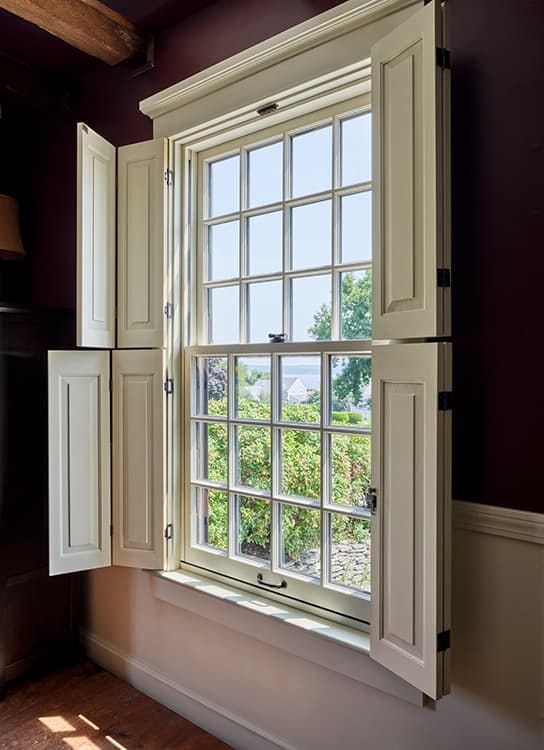
Every room does not necessarily need the same type of glass. A west-facing picture window in an East English Village brick home may need greater solar heat control than a smaller opening shaded by the house or nearby trees. The goal is to limit unwanted heat while preserving daylight and exterior appearance that work for the room. That decision should account for window size, orientation, shade and the condition of the existing opening rather than relying on pane count alone.
Why Pella Is the Right Choice for Detroit Homes
Pella offers Low-E insulating-glass options that can help reflect heat and support more consistent indoor temperatures. This flexibility matters in Detroit, where a single older home may have a sun-exposed picture window, shaded bedroom openings and previous replacements installed under different conditions. A local Pella professional can evaluate the direction each window faces, the amount of direct sun it receives and how well the existing unit fits the opening, before recommending an available configuration. That room-by-room approach makes Pella the right professional choice for homeowners who want better summer comfort without treating every window as if it performs the same job.
Ready to Go into Summer Knowing Your Windows Can Help?
Detroit homeowners who are not certain their windows are performing at the level this city demands should begin with a professional in-home assessment. The local Pella Detroit team offers free consultations that evaluate the specific home, its window conditions and the rooms that become uncomfortable during summer, with no obligation and no sales pressure. The assessment can help identify whether shading, targeted repairs or replacement windows belong in the home’s temperature-control plan. Schedule a free consultation today and head into summer with a home that does not require the AC to compensate for every source of unwanted heat.
Thinking about next steps?
Whether you’re exploring ideas or ready to talk details, we’re here to help. Schedule a consultation—or sign up for inspiration and real-home insights from Pella.