6 Ways Energy-Efficient Windows Help Birmingham Homeowners Control Early Summer Heat*
Birmingham hits 88°F highs by June. See how cottages, ranch homes, and Red Mountain properties each face different early summer heat challenges.

Key Takeaways
- Birmingham's cooling season starts earlier than expected, with average highs near 82°F in May and 88°F in June, meaning window performance becomes relevant well before peak summer heat arrives.
- Shade and elevation don't tell the whole story. A wooded Forest Park property can still lose heat through poorly insulated glass, while homes along Red Mountain can have one sun-exposed elevation and one sheltered elevation on the same property.
- Installation quality often matters as much as the glass itself. Gaps around trim, masonry transitions, or worn weather stripping can let humid air in regardless of how well the window glass performs.
Birmingham’s summer heat does not wait until July to affect indoor comfort. NOAA’s 1991–2020 climate normals show an average May high near 82°F, followed by an average June high near 88°F, which means cooling systems often face a serious workload before summer reaches its peak. In Birmingham homes, the first warning is often one room that becomes noticeably hotter than the rest of the house. Energy-efficient windows can help maintain steadier indoor temperatures by limiting solar heat gain, reducing heat transfer and controlling air leakage when the glass, the frame and installation type are selected for the opening.
1. Birmingham Cooling Demand Builds Before Midsummer
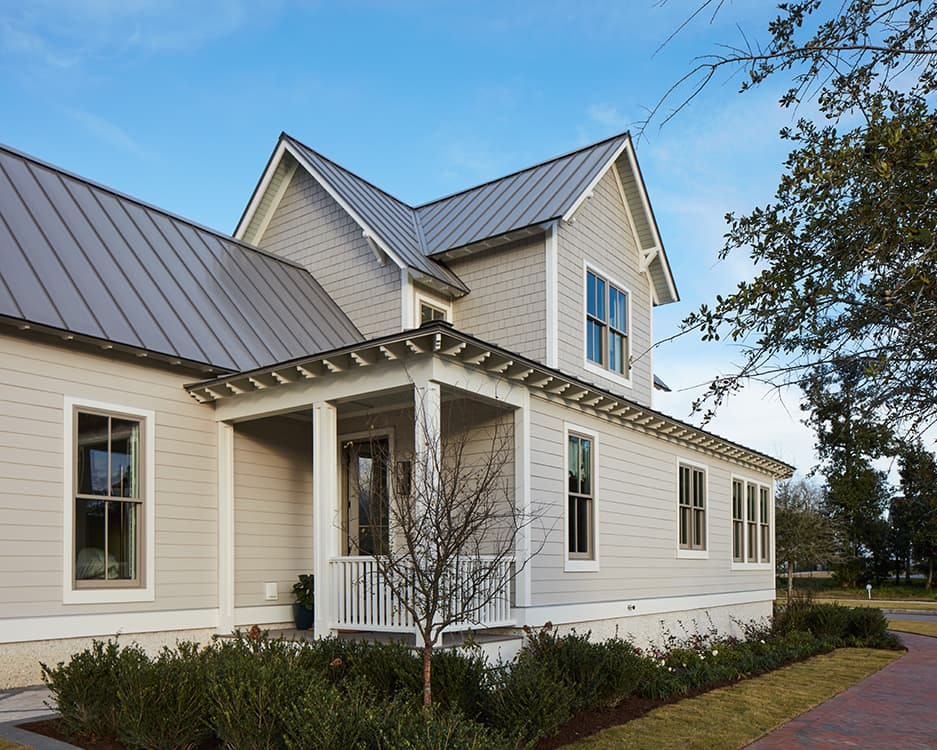
Early heat can expose weak windows before homeowners are prepared for a full season of air conditioning. In an Avondale cottage, an upstairs bedroom or enclosed porch may become uncomfortable in May even while the center of the house remains manageable. Older glass and loose-fitting sash allow outside heat to move indoors more readily, forcing the cooling system to compensate. Energy-efficient windows may help reduce heat transfer and help the room maintain a temperature closer to the rest of the house.
2. West-Facing Rooms Carry the Heaviest Afternoon Heat
Why does one room stay hot even when the air conditioner is running? A west-facing window can receive direct sun during the hottest part of a Birmingham afternoon. This is especially noticeable in Crestwood ranch homes, where broad picture windows and combination units can expose a large area of glass to late-day sunlight. Low-emissivity glass, commonly called Low-E glass, uses a thin coating to reduce the amount of solar energy entering the room while preserving natural light. The appropriate coating depends on the direction of the window, nearby shade, total glass area and room use.
3. Older Window Gaps Work Against Temperature Control
Tall double-hung windows contribute to the character of many early 20th-century homes in Highland Park. If the sash no longer closes tightly or the weather stripping has deteriorated, warm outdoor air can enter around the window even when the glass is shaded. That leakage can create hot spots near the opening and make room temperatures harder to control. A well-fitted energy-efficient replacement should improve temperature control while respecting the window’s original proportions, sightlines and grille pattern.
4. Shade Helps but Does Not Solve Every Heat Problem
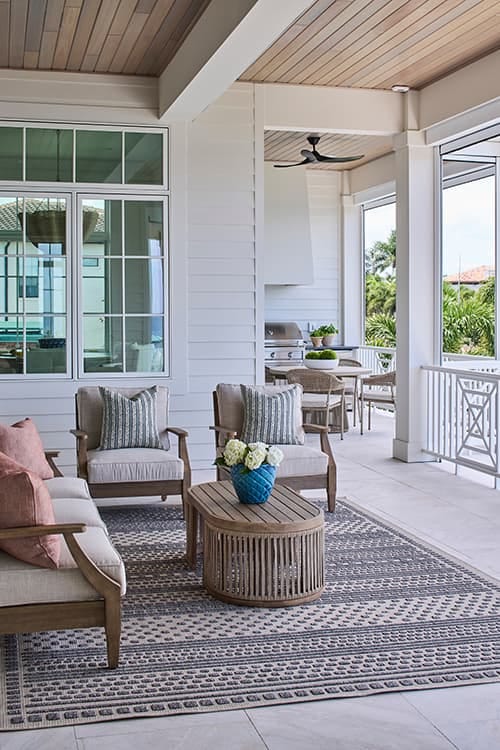
Does a shaded home still need energy-efficient windows? Tree cover on a wooded Forest Park property may block direct sunlight, but it cannot correct poorly insulated glass or gaps around the frame. Heat still moves through a window as the outdoor temperature rises, even without intense sun striking the glass. U-factor measures how readily this non-solar heat passes through the complete window, with a lower number indicating better insulating performance. For a shaded Birmingham home, temperature control requires attention to both the window’s insulating value and air leakage performance.
5. Large View Windows Need Their Own Glass Strategy
Homes along Red Mountain may use larger windows to take advantage of elevated views, but exposure can vary significantly from one side of the property to another. One opening may face intense afternoon sun while another is sheltered by trees, the slope or an adjacent part of the house. Solar Heat Gain Coefficient, or SHGC, indicates how much solar energy enters through a window, with lower values indicating less solar heat is allowed inside. The right approach is to evaluate each elevation rather than assume that every window needs the same glass package.
6. The Installation Can Affect How the Window Performs
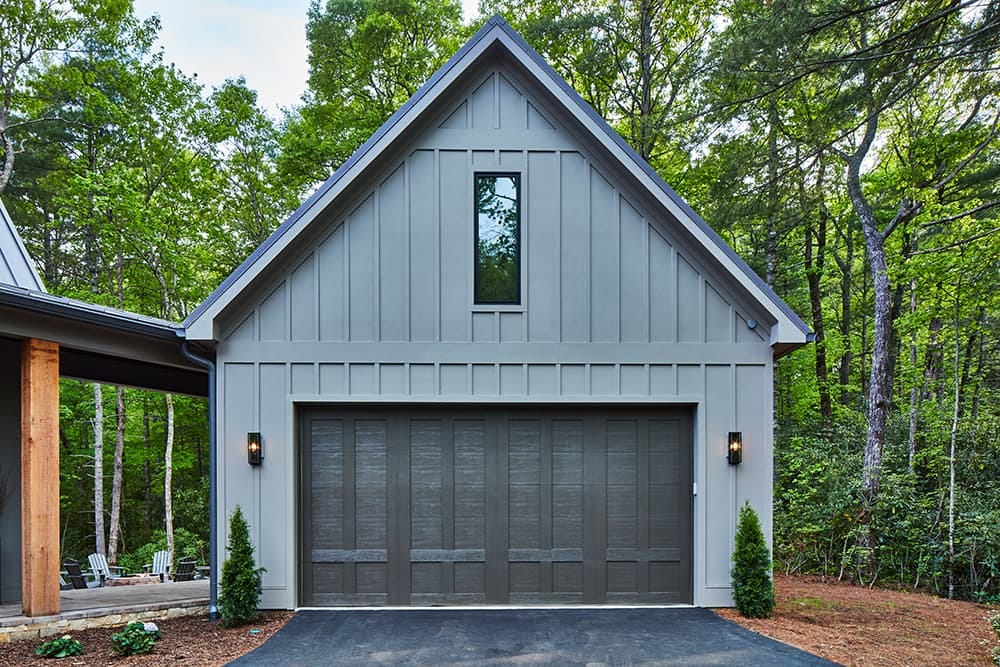
Can new windows still allow a room to feel hot if they are installed poorly? A high-performing window cannot deliver its intended temperature-control benefits if warm, humid air is entering through gaps around the opening. This issue can appear in a postwar brick ranch, where previous renovations left poorly sealed transitions between the window, trim and masonry. Frequent Birmingham rain may also reveal water staining, but the source could be the window, flashing, exterior trim or surrounding wall. A proper assessment should examine the complete opening so the recommended work addresses the actual problem rather than replacing the glass alone.
Why Pella Is the Right Choice for Birmingham Homes
Pella gives Birmingham homeowners the ability to match window performance to the home, instead of applying one glass package to every exposure. SunDefense™ Low-E Insulating Glass, part of Pella’s InsulShield® glass collection, is designed for hot, sunny conditions, while other Low-E options are available for openings with different levels of shade and solar exposure. The local Pella team can compare U-factor, SHGC, frame material, glass area and installation conditions before recommending a configuration. That project-specific approach makes Pella a sound choice for Birmingham’s older city homes, broad-glass ranch houses and properties with significantly different exposures across the same lot.
Ready to Face Birmingham’s Next Early Summer with Better Temperature Control?
If a Birmingham homeowner is not certain that the existing windows are performing at the level this city’s early heat demands, the right first step is a professional in-home assessment. The local Pella Windows & Doors of Birmingham team offers free consultations that evaluate the home’s window condition, sun exposure, room comfort and architectural requirements, with no obligation and no sales pressure. Homeowners can compare options for the highest-priority openings without assuming that every window must be replaced at once. Schedule a free consultation and prepare the home for Birmingham’s next cooling season with a window plan suited to the property.
Thinking about next steps?
Whether you’re exploring ideas or ready to talk details, we’re here to help. Schedule a consultation—or sign up for inspiration and real-home insights from Pella.
*Performance varies based on product selection, installation, home design, and climate conditions.