6 Reasons Energy-Efficient Windows Help Austin Homeowners Handle Early Summer Heat*

Key Takeaways
- Austin's cooling season starts early and stays intense, with normal highs at Camp Mabry climbing from about 80°F in April to nearly 87°F in May and above 93°F in June, so heat management becomes relevant well before peak summer.
- Room-by-room exposure matters more than home size. A shaded north-facing bungalow window faces very different conditions than an unprotected west-facing addition, so applying the same glass package everywhere overlooks where a home actually gains the most heat.
- Humidity adds a second layer to the challenge beyond direct sun. A window that no longer closes tightly can let warm, humid air in around worn seals, adding to the cooling system's workload independent of solar exposure.
Austin homes often begin fighting summer heat well before the calendar reaches June. At Camp Mabry, the normal high climbs from about 80°F in April to nearly 87°F in May, then rises above 93°F in June, according to the National Weather Service. In this long hot, humid cooling season, energy-efficient windows support temperature control by limiting solar heat gain, slowing heat transfer and reducing unwanted air leakage. The right solution depends on the direction each window faces, its size, the available shade and the condition of the existing installation.
1. West-facing Rooms Absorb the Strongest Heat Late in the Day
Why does a west-facing room become so hot in the late afternoon? A west-facing living room can receive direct sunlight during late-afternoon hours when outdoor temperatures are near their daily peak. This is often noticeable in hillside homes in northwest Austin, where large windows may have been positioned to capture the views but receive limited exterior shade. Glass with a lower solar heat gain coefficient, or SHGC, allows less solar energy to enter through the window. That can help the room maintain a more consistent temperature without promising an exact reduction in degrees or cooling costs.
2. Large Windows Need More Than a Good View
Many contemporary infill homes use expansive windows to brighten kitchens, stairwells and open living areas. When those openings face south, southwest or west, their size can make early-season solar heat more noticeable. Low-E insulating glass reflects part of the sun’s heat while continuing to admit daylight, helping address the trade-off between large glass areas and temperature control. Large windows are not automatically inefficient, but their direction, glass package and installation matter more as the opening grows.
3. Older Ranch Homes May Have Several Performance Problems at Once
Do older windows let in heat even when they are closed? They can, particularly when heat is moving through outdated glass and frames or entering as hot outdoor air around worn weatherstripping. A postwar ranch home in Allandale or Crestview may have original windows, older replacements or a mixture of products installed during different renovations. Heat can move through the glass, frame and sash, while worn weather stripping may allow hot outdoor air to enter around a closed unit. The window’s U-factor indicates how readily heat passes through the complete product, with a lower rating generally representing better insulating performance. Austin homeowners should compare ratings of whole windows rather than judge energy efficiency by the number of glass panes alone.
4. Austin’s Humidity Makes a Secure Window Closure Important
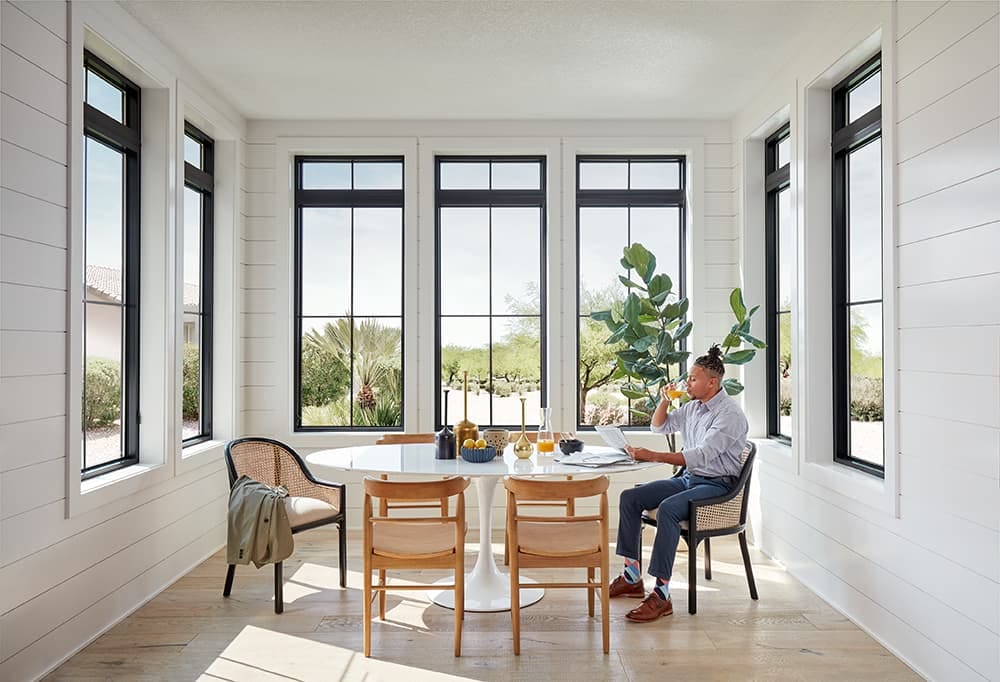
Austin sits in a hot and humid climate, so summer temperature control is not limited to blocking direct sunlight. A window that rattles, sticks or does not close tightly may allow warm, humid outdoor air to enter around deteriorated seals. Replacing that window with a properly sized and installed unit can reduce unwanted air movement and help the cooling system maintain steadier indoor conditions. Windows do not control all indoor humidity because the air-conditioning system’s performance, ventilation and other parts of the house also play a role.
5. Every Side of the Home Doesn’t Need the Same Glass
A shaded north-facing window in a Travis Heights bungalow experiences very different conditions from an unprotected west-facing window in a newer rear addition. Applying the same glass package to every opening may overlook where the home receives its strongest heat. Austin homeowners should compare windows by direction, room use, opening size and surrounding tree cover. This approach can place stronger solar control where it is needed without treating the entire house as if every room has the same problem.
6. Patio Doors Can Become a Major Source of Afternoon Heat
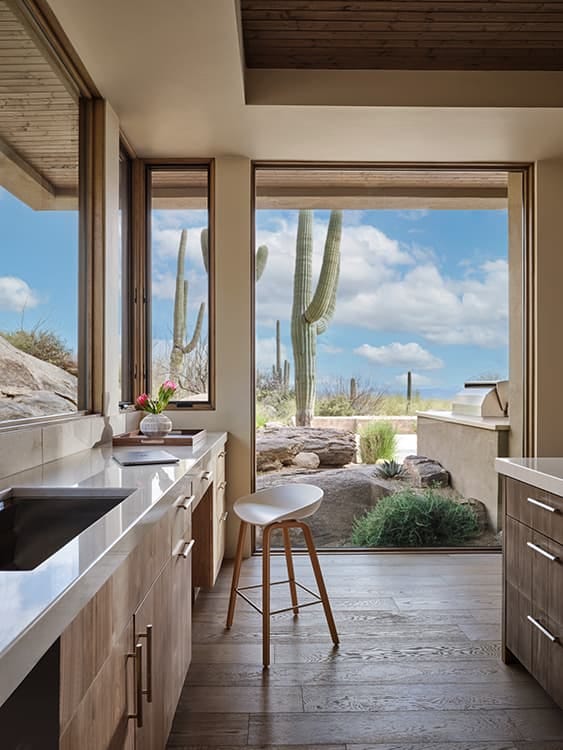
Can a patio door make the adjoining room harder to cool? It can when the door contains a large area of glass and faces a sunny backyard or west-facing deck. Low-E insulating glass with an appropriate SHGC can limit the amount of solar energy entering through the door, while secure operation and proper installation help control unwanted air leakage. Door size, shade, orientation and the surrounding structure should all be reviewed before selecting a replacement.
Why Pella Is the Right Choice for Austin Homes
Pella gives Austin homeowners the ability to select glass for the home’s actual exposure instead of relying on a one-size-fits-all energy-efficiency claim. Available on select products, Pella® SunDefense™ Low-E insulating glass is designed for hot, sunny climates and can be a practical choice for large south-, southwest- or west-facing openings. Pella products also carry configuration-specific energy ratings, allowing the local team to compare U-factor and SHGC for complete units rather than relying on vague claims about insulated glass. For Austin’s mix of postwar ranch homes, contemporary infill and western hillside properties, that combination of product choice and opening-by-opening evaluation makes Pella a practical option for many homeowners.
Ready for Austin’s Next Stretch of Intense Heat?
If an Austin homeowner is not certain the windows are performing at the level the city’s long cooling season demands, the right first step is a professional in-home assessment. The local Pella Austin team offers free consultations to examine the condition, orientation and size of the home’s windows, then identify which rooms should receive attention first. Homeowners can compare appropriate glass packages and complete-window ratings without assuming every opening needs the same solution. Schedule a free in-home consultation and prepare the home for Austin’s next early start to summer.
Thinking about next steps?
Whether you’re exploring ideas or ready to talk details, we’re here to help. Schedule a consultation—or sign up for inspiration and real-home insights from Pella.
*Performance varies based on product selection, installation, home design, and climate conditions.